
Which Animation Course is Best for a Job?
Best Animation Institute in Gurgaon
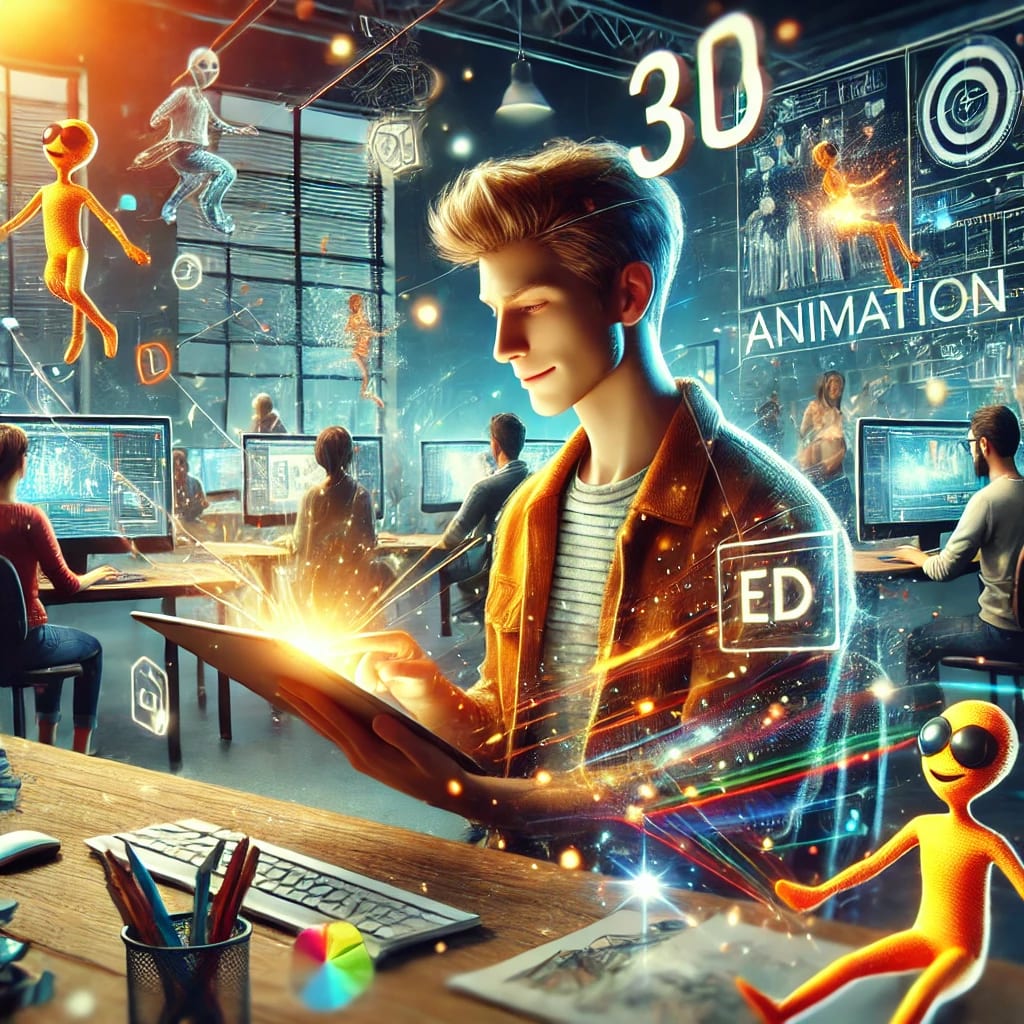
Choosing the right animation course can be a pivotal step toward a successful career in the creative industry. Animation is a dynamic field that spans various sectors such as film, television, gaming, and digital content creation. The industry is constantly evolving, and there’s no one-size-fits-all course. However, when looking for the best animation course to secure a job, there are a few key aspects to consider, including the quality of instruction, the relevance of the curriculum to industry demands, and the hands-on experience offered.
Key Factors to Consider When Choosing an Animation Course
1. Course Specialization and Industry Relevance
Animation is a broad field, encompassing 2D animation, 3D animation, visual effects (VFX), motion graphics, and more. The best course for you will depend on the type of animation you want to specialize in. For instance, if you are passionate about game design, a course focusing on 3D animation and rigging is essential. Alternatively, if your interest lies in storytelling through traditional methods, a 2D animation course would be more suitable.
It’s also vital to choose a course that aligns with the current demands of the industry. Technologies and techniques change rapidly in animation, so your chosen course should teach you industry-standard software such as Blender, Maya, or Adobe After Effects. A curriculum that includes emerging trends like real-time rendering and AI-driven animation tools will better prepare you for future job opportunities.
2. Hands-on Training and Project Work
Animation is a skill that requires constant practice. Look for courses emphasizing hands-on experience through real-world projects, internships, or professional collaborations. Working on live projects or in an internship setting allows you to apply theoretical knowledge, develop a practical understanding of animation workflows, and build a strong portfolio. Many employers prioritize candidates with portfolios that showcase their range of abilities across various animation projects.
Additionally, make sure the course offers access to industry-standard software and hardware to practice your skills. Without adequate exposure to the tools commonly used in professional studios, you might find yourself at a disadvantage when you enter the job market.
3. Portfolio Development
A well-rounded portfolio is one of the most important assets when applying for animation jobs. Whether you’re applying for a job in film production, game design, or advertising, employers want to see what you can create. A course that helps you build a professional portfolio is essential.
The best animation courses guide curating a portfolio that demonstrates your skills in various aspects of animation, including character design, motion graphics, and visual effects. A strong portfolio will significantly enhance your employability and help you stand out in a competitive job market.
4. Industry Networking and Career Support
Networking plays a significant role in landing a job in animation. Courses that offer opportunities to connect with industry professionals, such as guest lectures or alumni networking events, are extremely valuable. Many top animation schools have connections with studios or production houses, which can help students secure internships or job placements.
Career support services, including resume building, interview preparation, and job placement assistance, can also make a big difference. When choosing an animation course, look into the career services provided by the institution and whether they have a good track record of helping graduates secure jobs.
Top Animation Courses for Job Prospects
Based on the above criteria, here are some popular animation courses that are known for their strong job placement records:
Arena Animation: A comprehensive course covering 2D and 3D animation, digital content creation, and visual effects. It provides hands-on training with software like Blender, Autodesk Maya, and Adobe After Effects.
Maya Academy of Advanced Cinematics (MAAC) MAAC’s courses in animation and VFX are highly regarded for their industry-aligned curriculum and extensive training in software like Maya and Nuke.
Bachelor of Fine Arts in Animation Many universities offer a BFA in Animation, which provides a deeper understanding of animation theory, storytelling, and character design. Graduates often find opportunities in both the film and gaming industries.
Gnomon School of Visual Effects Specializing in 3D animation and visual effects, Gnomon offers specialized courses that are highly focused on the technical and creative skills required in the industry.
Blender Animation Courses With Blender’s growing popularity, courses focused on this open-source software are becoming a good option for freelancers and indie game developers.
FAQ
1. What is the best animation course for beginners? For beginners, a foundational course that covers both 2D and 3D animation techniques is ideal. Arena Animation Prime and similar courses offer a solid introduction to both aspects.
2. Can I get a job with just an animation course? Yes, many employers hire graduates directly from reputable animation programs, especially if they have a strong portfolio and hands-on experience. However, having a degree in a related field, like a Bachelor of Fine Arts (BFA), can also improve your job prospects.
3. What software should I learn for a career in animation? Industry-standard software includes Autodesk Maya, Blender, Adobe After Effects, and ZBrush. The software you learn should align with your specific animation interests, whether in 2D or 3D animation.
4. Is freelancing a viable option after completing an animation course? Yes, freelancing is a common career path for animators, especially in sectors like advertising, video game design, and content creation for social media. Platforms like Fiverr and Upwork provide numerous opportunities for freelance animators.
5. How important is a portfolio in animation? A portfolio is critical for showcasing your skills and creativity. Employers rely heavily on portfolios to assess your ability to meet project requirements, so ensure your course helps you build a strong one.
By choosing the right course based on your career goals and developing a robust portfolio, you can set yourself on a path to success in the exciting world of animation.
About the Creator
Keep reading
More stories from Ritik Singh and writers in Education and other communities.
How to Prepare for Your First Root Canal Appointment
It's hard not to feel some anxiety if you have been informed that a root canal is necessary. However, with adequate information as well as preparation, you can be able to face your first root canal treatment in Gurgaon without fear. At Dental Krafts, we do everything we can to ensure that our clients go through an experience free from any stress or discomfort. To help you get ready for your initial appointment for a root canal surgery, here are some tips that will guide you on what you need prior to the visit.
By Ritik Singhabout a year ago in Humans
How Poor Healthcare Program Planning Affects Revenue and ROI
Effective program planning is essential for financial stability and long-term success in healthcare organizations. When planning is comprehensive, data-driven, and aligned with organizational goals, it supports efficient service delivery, strong patient outcomes, and healthy financial performance. However, when planning is weak or fragmented, the consequences extend far beyond operational inefficiencies. Poor healthcare program planning directly affects revenue generation, resource utilization, and return on investment, ultimately weakening the organization’s ability to grow and compete. Understanding how these financial impacts occur is crucial for leaders seeking to build programs that deliver measurable value.
By Evyatar Nitzanyabout 24 hours ago in Education
Canadian Work Permit 2026: Check If You Qualify to Work in Canada
Canada continues to be one of the top destinations for foreign workers, offering competitive salaries, a strong economy, and an excellent quality of life. With new immigration adjustments expected in 2026, understanding Canada’s work permit system has become more important than ever.
By Ayesha Lashariabout 13 hours ago in Education
Instructions Included Challenge Winners
For the Instructions Included challenge, we asked writers to tell a story through instructions and to trust the form to carry what could not be said outright. Across the top entries, that trust paid off in many different ways.
By Vocal Curation Team6 days ago in Resources




Comments
There are no comments for this story
Be the first to respond and start the conversation.