
When Should You Use a Cease and Desist Letter?
A Quick Guide

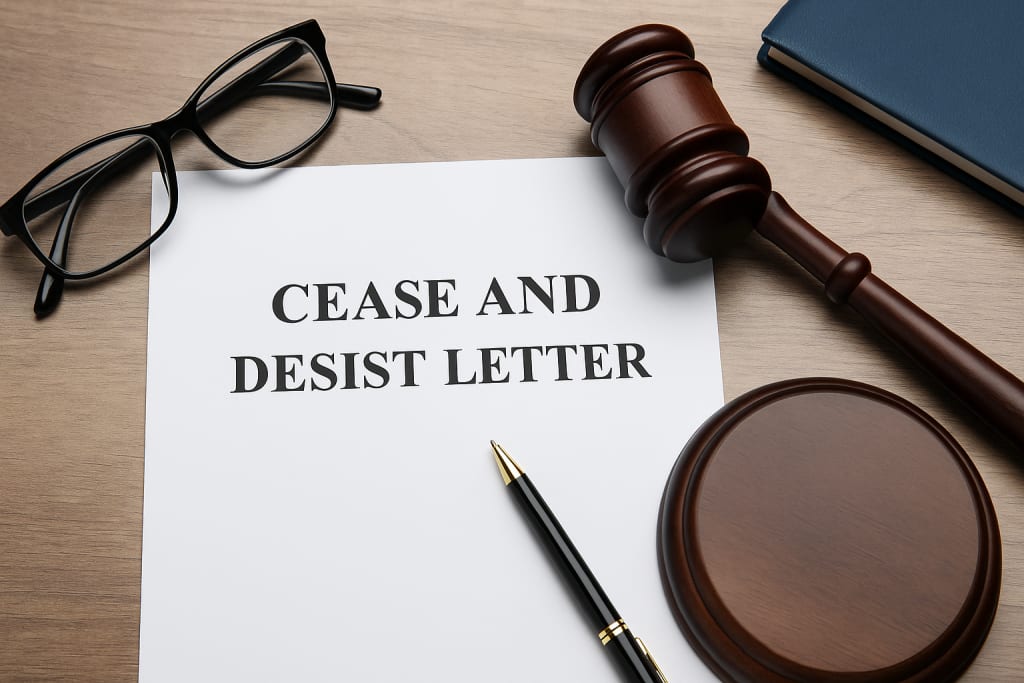
Every day, people and businesses face challenges. Sometimes, others cross legal or ethical lines. They may steal your work, spread false claims, or break a deal. You need a way to make them stop. In many cases, a cease and desist letter is the right step.
Some situations need more than a polite request. When someone crosses a line, you may need to act. A cease and desist letter can help. It sets a clear boundary. It tells someone to stop a harmful action.
This guide explains when to use one, what it should say, and what may happen next.
What Is a Cease and Desist Letter?
A cease and desist letter is a formal warning. It tells someone to stop doing something. If they do not stop, legal action may follow. The letter gives the other person a chance to fix the issue.
It is not the same as a lawsuit. But it shows that you are serious. It can help solve a problem before things get worse.
You do not always need a lawyer to write one. Many people now create a cease and desist letter online using helpful tools.
When Does It Make Sense to Use One?
You should use a cease and desist letter only in clear cases. The action must cause harm or break a rule. Here are some common examples:
- • Someone copies your brand or logo.
- • A person spreads false claims about you.
- • A company breaks a contract.
- • You face threats or unwanted contact.
- • A website uses your content without permission.
The letter should state what happened. It should ask the person to stop. It should also explain what may happen next.
Send the letter only if you believe the law supports your case. If you are unsure, talk to a legal expert.
What Should the Letter Include?
A good letter is short and clear. Use facts. Stay calm and firm.
Here is what you should include:
- • Your name and contact details
- • What the other person did wrong
- • Proof of harm or damage
- • A request to stop the action
- • A deadline for a reply
- • A warning about next steps
Do not use harsh or angry language. The goal is to stop the problem, not create more. Make your point, then give the person time to act.
A strong letter shows you mean business. A trusted legal document automation platform can help you write one that works.
What Happens After You Send It?
After you send the letter, the person may stop. They may contact you to discuss the issue. They may also ignore you.
If they stop, the letter worked. If they do not stop, you can decide what to do next. You may go to court or hire a lawyer.
Keep a copy of the letter. Save proof that you sent it. This helps if legal steps follow later.
Conclusion
A cease and desist letter is a smart step when someone harms your rights. It sends a clear message. It tells the other person that you will not stay silent. Use it when the facts are on your side and the harm is real.
This type of letter can stop a problem before it grows. It may lead to a quick solution. It also shows the court that you tried to settle the issue fairly if you need to take legal steps later.
You can create a cease and desist letter online without much trouble. A reliable legal document automation platform makes the process fast, simple, and accurate. This helps you act with confidence.
Taking the right steps now can save you stress later. Stand up for your work, your name, and your peace of mind. A clear letter is often the first step toward resolution.
About the Creator
Talha Zulfqar
Expert Content Publisher and Digital Marketer at Growlinko.com
Keep reading
More stories from Talha Zulfqar and writers in Education and other communities.
Can Training Farmers End Hunger?
What if one of the most powerful solutions to global hunger is not food aid, but knowledge? Around the world, millions of smallholder farmers grow the food that feeds their communities. Yet many of them struggle with low crop yields, unpredictable weather, poor soil quality, and limited market access. If farmers are at the center of food production, could empowering them with better skills be the key to ending hunger?
By Convoy of Hope3 days ago in Education
How to Install Floodlight Cameras: Step-by-Step Guide
Floodlight cameras give strong security for homes and businesses. They mix bright lights with video recording to scare away intruders and catch clear footage. When you pick the best floodlight camera, you get reliable protection that works day and night. This guide takes you through the installation process in clear steps.
By Bilal Ahmad4 days ago in Education




Comments
There are no comments for this story
Be the first to respond and start the conversation.