
What TikTok Algorithm Knows About You—And Why That’s Scary
How exactly does TikTok know what it is you want to watch?

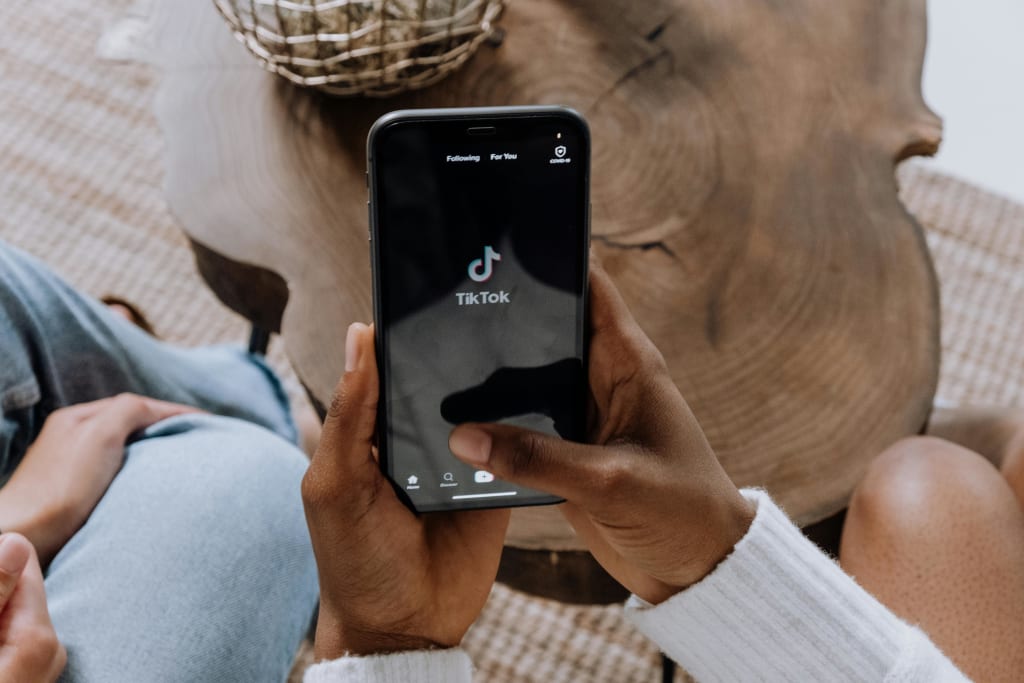
Step 1: Open TikTok. Step 2: Watch a few videos on your For You Page. Step 3: Doomscroll for three hours straight, wondering where the time went. Step 4: Rack your brain, trying to figure out how TikTok knew exactly what you wanted to see before you even did. Step 5: Rinse and repeat.
Darling, I’m going to hold your hand when I say this: When you’re watching TikToks, TikTok’s watching you back—learning everything it can to craft a feed you can’t resist.
Most of us assume that our TikTok FYP is based on likes and hashtags. But TikTok doesn’t guess, it observes. It watches how long you pause, what you replay, and which creators you stalk but never follow.
Each of your actions within the app feeds a psychological model that’s tailored to your behavior with surprising (and borderline concerning) accuracy.
This article breaks down how that system works, how deeply it profiles you, and whether you can ever really take back control. Short answer: Yes, because awareness is the first power move.
How the TikTok Algorithm Builds Your Profile
Most people think TikTok shows you more of what you “like.” But that’s just the start. The real signals are subtler and creepier.
TikTok’s algorithm tracks watch time obsessively.
If you linger on a video for more than a few seconds, that’s a sign of interest. Watching it again is a definite signal that you’re hooked. Pausuing in the middle might indicate a couple of things, such as confusion, curiosity, or an emotional hit.
Rewatches are one of the strongest indicators. They signal content that resonated, even if you didn’t interact with them. TikTok also calculates scroll speed. If you swipe fast through cooking videos but linger on rants about burnout, it learns what your brain finds “sticky.” Even your interaction with audio and captions gets logged.
This investigative video by The Wall Street Journal breaks down how TikTok’s algorithm works—using bots they created to reveal how the platform profiles its users.
The Layers of Profiling: More Than Just Interests
TikTok Is Tracking Your Emotions
TikTok doesn’t simply catalog your interests. It actively tries to read your emotional state.
Let’s say you scroll past five lighthearted videos but pause on one where someone is venting about burnout. That longer-than-average pause is enough to flag emotional resonance. Suddenly, the app suggests more emotionally charged content, whether or not you engage directly.
This feedback loop intensifies if you rewatch or linger on similar posts. Users often report their feeds aligning eerily with their feelings, even feelings they haven’t articulated.
This TikTok video perfectly encapsulates that:
One of the top comments on this post, with 15.7 thousand likes, even mentioned that it feels like ‘TikTok knows what is going on in their lives’.
It’s not just about being sad or happy either. Emotional profiling can range from loneliness and nostalgia to rage or confusion. And once the algorithm catches on to that emotional baseline, it starts feeding it. Not to help you—just to keep you scrolling.
Well, what’s wrong with an app that shows videos resonating with how you feel, you ask? The thing is, TikTok doesn’t care about how you feel or what you do with those feelings. It just wants you to stay on the app and keep you scrolling for as long as humanly possible.
Your Personality Type Is Part of the Formula
TikTok also takes cues from how you consume content to map personality traits.
Read my whole article from the link below to find out how exaclty TikTok identifies your personality and what you can do to take back control over your data:
What TikTok Algorithm Knows About You—And Why That’s Scary
About the Creator
Pat Zuniega
writing culture and blogging content for weblogwevlog.com
Keep reading
More stories from Pat Zuniega and writers in Education and other communities.
Coffee History: From Ethiopia to Global Trade Empire
Whether you savor its aroma on a slow morning or rely on it to fuel you on a busy day, coffee has become an integral part of daily life around the world. But few people realize the humble beginnings of this now-global obsession. The story of coffee history and its place in international trade begins in the highlands of Ethiopia.
By Pat Zuniega6 months ago in History


Comments
There are no comments for this story
Be the first to respond and start the conversation.