
What's the Difference Between Swedish Massage and Deep Tissue Massage
Discover the difference between swedish massage and deep tissue massage. Learn which massage suits for your need.
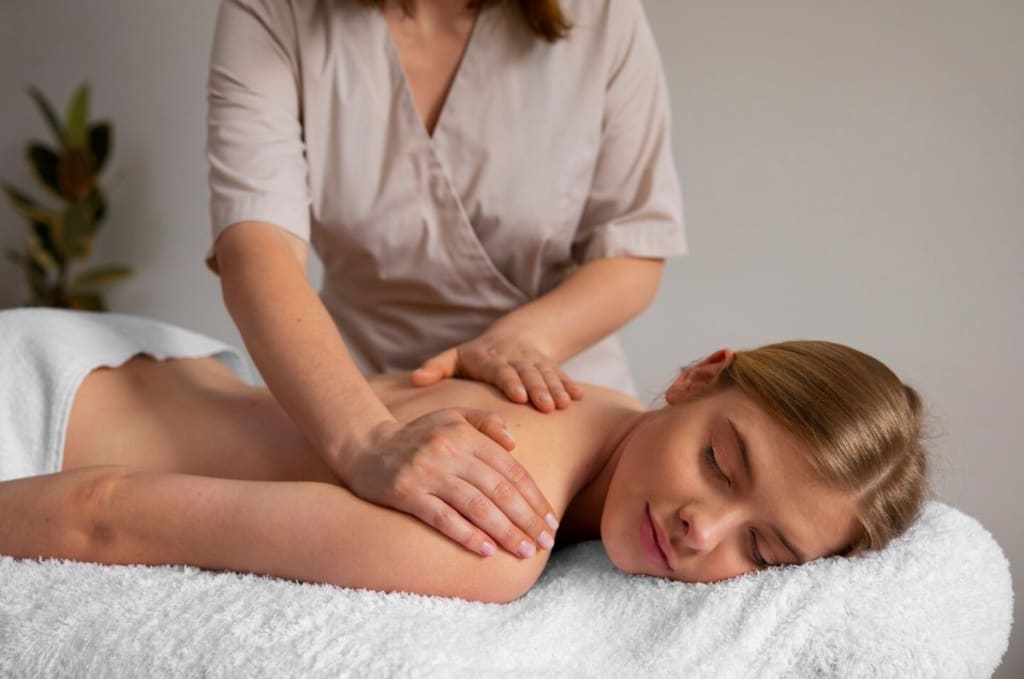
When booking a massage appointment, you'll often encounter two popular options: Swedish massage and deep tissue massage. While both offer therapeutic benefits, they serve different purposes and use distinct techniques. Understanding these differences helps you choose the right treatment for your specific needs and wellness goals.
Both massage styles have gained popularity in the UK for their proven health benefits, but knowing which one suits your requirements can make the difference between a relaxing experience and truly effective treatment.
Understanding Swedish Massage
Swedish massage represents the foundation of modern Western massage therapy. Developed in the 19th century by Per Henrik Ling, this technique focuses on relaxation and general wellness rather than targeting specific problem areas.
The therapist uses five primary strokes during a Swedish massage session. Effleurage involves long, gliding movements that warm up the muscles and improve circulation. Petrissage includes kneading and rolling motions that work deeper into muscle tissue. Tapotement consists of rhythmic tapping or percussive movements that stimulate blood flow. Friction techniques use circular movements to break down adhesions, whilst vibration involves shaking or trembling motions to relax muscles.
Swedish massage typically applies light to moderate pressure, making it suitable for first-time clients or those seeking stress relief. The treatment promotes relaxation by activating the parasympathetic nervous system, which helps reduce cortisol levels and increase serotonin production.
For those interested in wellness careers, you can learn Swedish massage techniques through certified training programmes offered by professional therapy schools across the UK. These courses typically cover anatomy, physiology, and the practical application of traditional Swedish methods.

Deep Tissue Massage Fundamentals
Deep tissue massage takes a more targeted approach to muscle therapy. This technique specifically addresses chronic pain, muscle tension, and injury recovery by working on deeper layers of muscle and fascia.
Therapists use similar strokes to Swedish massage but apply significantly more pressure. The treatment focuses on breaking down scar tissue, releasing muscle knots, and improving mobility in specific areas. Deep tissue work often concentrates on problem zones like the neck, shoulders, lower back, and legs.
The pressure applied during deep tissue massage can sometimes cause discomfort, but this shouldn't be confused with pain. Skilled therapists maintain communication with clients to ensure pressure remains within therapeutic rather than harmful levels. The temporary discomfort often leads to significant long-term relief from chronic tension.
Key Differences in Technique and Application
The fundamental difference lies in pressure and intention. Swedish massage uses flowing, gentle movements designed to relax the entire body, whilst deep tissue massage applies focused pressure to address specific muscular issues.
Swedish massage sessions typically last 60-90 minutes and cover the entire body using long, continuous strokes. The therapist maintains consistent pressure throughout, creating a meditative, relaxing experience that reduces overall stress levels.
Deep tissue sessions may focus on particular body regions rather than full-body treatment. Therapists spend more time on problem areas, using slower, more deliberate movements. The treatment often involves static pressure, where the therapist maintains pressure on trigger points until tension releases.

Therapeutic Benefits and Outcomes
Swedish massage excels at promoting general wellness and stress reduction. Regular sessions can improve sleep quality, reduce anxiety, and enhance immune function. The gentle pressure stimulates circulation without causing muscle soreness, making it ideal for maintaining overall health.
Research shows Swedish massage can lower blood pressure, reduce inflammatory markers, and improve mood disorders. The relaxation response triggered by Swedish techniques helps balance hormones and promotes mental clarity.
Deep tissue massage addresses specific therapeutic goals. It effectively treats chronic pain conditions, sports injuries, and postural problems caused by repetitive strain. The intensive pressure helps break down adhesions that restrict movement and cause persistent discomfort.
Studies demonstrate deep tissue massage can significantly reduce chronic low back pain, improve range of motion, and accelerate recovery from muscle injuries. Athletes often incorporate regular deep tissue sessions into training regimens to maintain peak performance and prevent injuries.

Choosing the Right Treatment for Your Needs
Consider Swedish massage if you're seeking stress relief, general relaxation, or if you're new to massage therapy. This treatment works well for managing everyday tension, improving sleep patterns, or maintaining general wellness.
Swedish massage suits individuals with sensitive skin, those taking certain medications that affect circulation, or anyone preferring gentler therapeutic approaches. Pregnant women often find modified Swedish techniques more comfortable than deep tissue work.
Choose deep tissue massage when addressing specific muscular problems, chronic pain conditions, or injury recovery. This treatment benefits individuals with physically demanding jobs, athletes managing training stress, or anyone experiencing persistent muscle tension.
People with certain health conditions should consult healthcare providers before booking deep tissue sessions. Those with blood-clotting disorders, recent injuries, or inflammatory conditions may need medical clearance.
Professional Training and Career Opportunities
The massage therapy industry continues to grow throughout the UK, creating opportunities for qualified practitioners. Professional massage therapists can learn Swedish massage techniques as part of comprehensive training programmes that also cover deep tissue methods, anatomy, and business skills.
Qualified therapists often specialise in particular techniques whilst maintaining competency in both Swedish and deep tissue approaches. This versatility allows practitioners to serve diverse client needs and build successful practices.
Conclusion
Swedish massage and deep tissue massage serve distinct purposes in therapeutic wellness. Swedish massage promotes relaxation and general health through gentle, flowing techniques, whilst deep tissue massage addresses specific muscular problems using focused, intensive pressure.
Your choice depends on individual goals, tolerance for pressure, and specific health considerations. Many people benefit from alternating between Swedish massage for stress management and deep tissue work for targeted problem-solving. Consulting with qualified massage therapists helps determine the most effective approach for your wellness journey.
About the Creator
The Complete Path to Growth: A Practical Guide to Hospitality Expansion for Ambitious Leaders
Expansion is one of the most effective strategies for hospitality businesses aiming to reach new markets, increase revenue, and strengthen brand visibility. Whether growing through new locations, enhanced services, or improved digital reach, expansion requires careful planning and consistent leadership. Growth-driven hospitality leaders understand that expansion is not just about scaling up but about doing so in a way that protects quality, operational stability, and customer satisfaction. With the right systems in place, hospitality businesses can expand sustainably and build long-term competitive advantages.
By Asad Malik4 days ago in Education
How Solar Flares Affect Earth: Impacts on Technology, Climate, and Human Life
What Are Solar Flares? A solar flare is a sudden, intense burst of electromagnetic radiation from the Sun’s surface. These flares occur when magnetic energy stored in the Sun’s atmosphere is suddenly released. They often happen near sunspots—dark regions on the Sun associated with strong magnetic activity.
By shahkar jalal2 days ago in Education




Comments
There are no comments for this story
Be the first to respond and start the conversation.