
What Makes an Effective Primary School Teacher in Today's Classrooms
Exploring the qualities that support learning, well-being and growth in the primary years

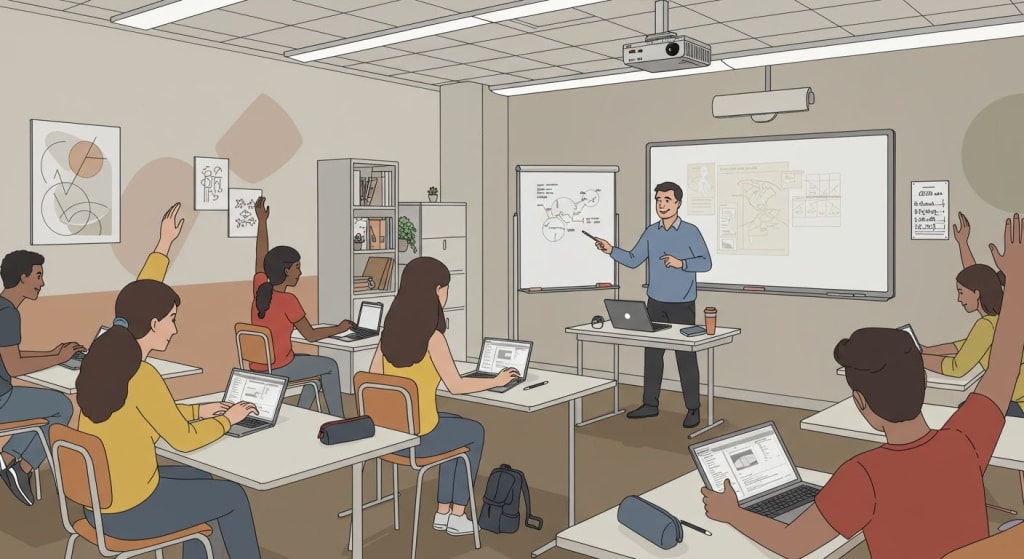
Ask ten people what makes a good primary teacher and you will likely get ten different answers. Some will talk about subject knowledge while others will mention classroom management, creativity or patience. While all of these matter, effective primary teaching today goes beyond any single skill. It involves the ability to balance structure and flexibility while meeting the real needs of children in a constantly changing world.
Primary classrooms have changed significantly over the past decade. Students come with a wider range of experiences, abilities, and expectations than ever before. At the same time, teachers must meet curriculum demands, support well-being, and prepare students for an uncertain future. In this context, effectiveness is less about being perfect and more about thoughtful practice.
Understanding learners as individuals
At the core of effective primary teaching is the understanding that no two students learn in exactly the same way. Children bring their personalities, backgrounds, strengths, and challenges into the classroom each day. A good teacher recognizes these differences and works with them instead of against them.
This does not mean creating completely separate lessons for every child. Instead, it involves offering various ways to access learning. Some students benefit from visual aids, others from discussion, and others from hands-on activities. When teachers plan this way, learning becomes more inclusive and meaningful.
It’s also important to recognize that learning is not just academic. Emotions, confidence, and relationships all affect how children engage with school. Teachers who notice these factors often create classrooms where students feel safe to try, make mistakes and grow.
Building strong relationships
Research consistently shows that strong teacher-student relationships lead to better engagement and learning outcomes. In primary settings, this relationship is especially crucial because students are still developing their sense of self as learners.
Effective teachers communicate clear expectations while being approachable and supportive. They listen to students, acknowledge effort, and respond calmly to challenges. Over time, this builds trust. When students trust their teacher, they are more willing to take risks in their learning and push through difficulties.
Relationships also extend beyond students. Communication with families plays a major role in supporting learning. Teachers who share information clearly and respectfully help create a sense of partnership. This shared understanding benefits students both at school and at home.
Creating a purposeful learning environment
An effective primary classroom feels organized without being rigid. Routines provide structure and help students know what is expected of them. At the same time, there is space for curiosity, discussion and exploration.
The physical environment matters too. Displays, resources, and seating arrangements all communicate what is valued in the classroom. Spaces that celebrate effort, progress, and student voice promote a positive learning culture.
The emotional environment is just as important. Classrooms where respect is modeled and reinforced allow students to feel secure. This sense of safety supports focus and teamwork, which are essential for deep learning.
Balancing curriculum and flexibility
Primary teachers work within curriculum frameworks that outline what students are expected to learn. Effective teaching does not disregard these requirements, but it involves thoughtful interpretation.
Instead of viewing the curriculum as a checklist, effective teachers see it as a guide. They make decisions about pacing, emphasis, and connections based on their students. This might involve spending extra time on a concept that needs further explanation or finding ways to integrate learning areas to make lessons more engaging.
Flexibility also involves responding to unexpected opportunities. A question raised during a lesson or an event occurring in the wider world can become a powerful learning moment. Teachers who allow space for these moments often make learning feel relevant and alive.
Encouraging independence and responsibility
One goal of primary education is to help students become confident and capable learners. Effective teachers support this by gradually encouraging independence.
This can be seen in simple practices such as teaching students how to manage materials, reflect on their work, and set personal goals. Over time, these skills help students take ownership of their learning.
Mistakes are seen as part of the process rather than something to avoid. When teachers model problem solving and resilience, students learn that challenges are opportunities to grow, not reasons to give up.
Reflective practice and growth
Effective primary teaching is not static. It involves ongoing reflection and a willingness to learn. Teachers regularly consider what is working, what could be improved, and why certain approaches have the impact they do.
This reflective mindset allows teachers to adjust as their students and contexts change. It also encourages professional growth. Engaging with research, working with colleagues, and seeking feedback all contribute to better practice over time.
Importantly, reflection does not mean constant self-criticism. It is about curiosity and improvement rather than perfection. Teaching is complex, and recognizing this helps maintain a long-term commitment to the profession.
Supporting well-being alongside learning
Recently, there has been growing recognition of the link between well-being and learning. Primary teachers often notice changes in a child’s behavior or emotions before anyone else.
Effective teachers create routines and expectations that support emotional regulation. They provide opportunities for movement, discussion, and connection throughout the day. These practices help students manage stress and stay engaged with learning.
Supporting well-being also means knowing when to seek additional help. Collaborating with colleagues and families ensures that students get the support they need when challenges arise.
Looking ahead
The role of the primary teacher continues to evolve. Advances in technology, changes in curriculum, and shifting societal expectations all affect classroom practice. While these changes can be challenging, they also provide opportunities for innovation and growth.
What remains constant is the importance of thoughtful, responsive teaching. Effective primary teachers combine knowledge, empathy, and reflection to create environments where children can thrive. They understand that their influence goes beyond academic outcomes, shaping how students see themselves as learners and as individuals.
In today’s classrooms, effectiveness is not about having all the answers. It is about asking the right questions, staying connected to students, and being open to learning alongside them.
Shaun Andre — Classroom Teacher
About the Creator
Keep reading
More stories from Shaun Andre and writers in Education and other communities.
The Modern Classroom is a Performance - And Teachers are the Actors
Walking into a classroom today is like stepping onto a stage. The students are restless, easily distracted, and sometimes of them have a phone in their hand. The teacher has a short time to get everyone focused before the lesson starts to fall apart.
By Shaun Andre5 months ago in Education
Purpose Driven Leadership: How Corporate Success Is Fueling Social Change
Business leaders are often recognized for their ability to build organizations, create economic growth, and guide companies through competitive markets. Yet in recent years, a growing number of executives and entrepreneurs have chosen to extend their influence beyond corporate success. Many are investing their time, expertise, and resources into philanthropic efforts that address social challenges and strengthen communities. This evolution reflects a broader understanding that leadership carries responsibilities not only to shareholders but also to society.
By John Olin Killgore4 days ago in Education



Comments
There are no comments for this story
Be the first to respond and start the conversation.