
What Makes a Good Daycare Center?
Selecting a good daycare centre is one of the most crucial decisions for a parent to make in their child’s early years.

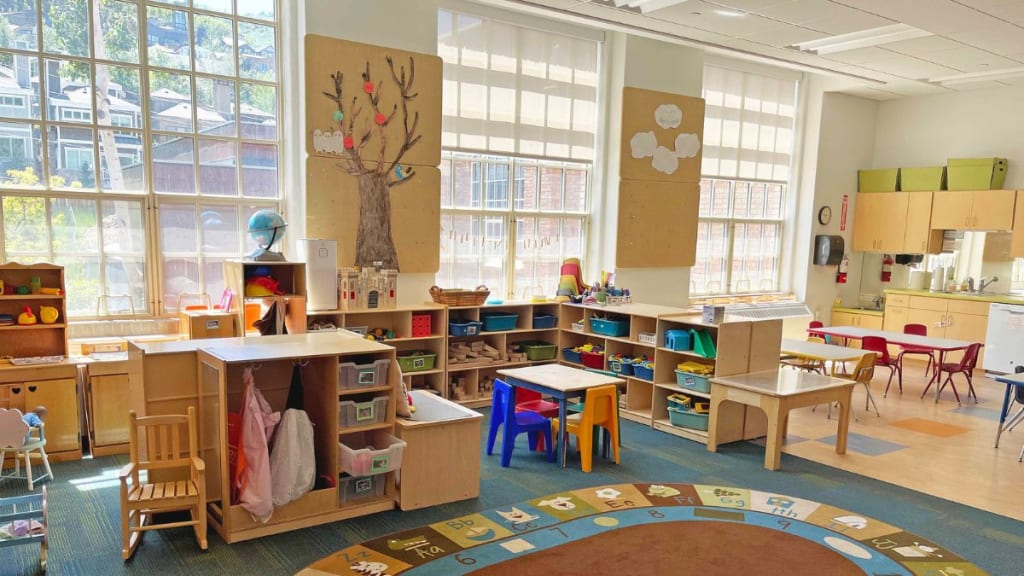
Selecting a good daycare centre is one of the most crucial decisions for a parent to make in their child’s early years. This choice extends far beyond mere supervision; it shapes the foundation for social, emotional, and cognitive development. In the early stages, children gain experiences like sponges; hence, the surroundings around them plays a vital role in their growth. Therefore, it is necessary to understand the various factors that play a very important role in nurturing and enriching an environment, one that provides both safety and development. Whether you're searching for daycare in Surrey, or navigating the options in any other locale, these fundamental principles remain universally applicable, ensuring your child receives the best possible start.
What Qualities Define a Good Daycare Center?
A good daycare center provides more than care. It fosters growth and safety. Here are essential elements:
- A Safe and Stimulating Environment:
- Centers maintain clean spaces. Daycare facilities establish rigorous cleaning schedules. They disinfect toys and surfaces. They sanitize play areas. This minimizes the spread of germs.
- They provide age-appropriate toys. Educators select toys that match developmental stages. They choose toys that encourage specific skills. They ensure toys are non-toxic.
Secure outdoor areas exist. Playgrounds feature soft, impact-absorbing surfaces. They surround play areas with sturdy fences. They inspect equipment regularly. This prevents falls and injuries.
- They offer diverse activities. Centers include art projects. They incorporate music and movement. They plan dramatic play. They provide sensory experiences. This broadens children's horizons.
- Centers define safety protocols. They create detailed emergency plans. They include procedures for fire and medical emergencies. They post plans visibly.
- They follow emergency procedures. Staff practice drills regularly. They react quickly to incidents. They prioritize children's safety. This ensures rapid and effective responses.
Qualified and Caring Staff:
- Staff qualifications matter. Centers require degrees or certifications. They verify staff background checks. They ensure ongoing training.
- They have early childhood training. Staff learns child development theories. They study best practices in education. They understand age-appropriate behavior.
- They possess certifications. Staff prove knowledge of CPR and first aid. They demonstrate understanding of safety protocols. They show dedication to professional growth.
- Observe staff interactions. Parents watch how staff handle transitions. They notice how the staff comforts children. They look for positive engagement.
- They show patience. Staff manage tantrums calmly. They handle disagreements fairly. They provide consistent support.
- They are attentive. Staff notice changes in children's moods. They address individual needs. They respond to cues.
- They genuinely care. Staff form strong bonds with children. They show affection and empathy. They create a nurturing atmosphere.
- Low staff-to-child ratios help. Fewer children per caregiver allow for focused attention. Staff have more time for each child.
A Well-Structured Curriculum:
- They align with milestones. Centers understand age-appropriate skills. They introduce concepts at the right time. They track child progress.
- Curriculums include play-based learning. Children learn through exploration. They use toys and games to discover. They develop problem-solving skills.
Children explore. They engage in hands-on activities. They experiment with materials. They make discoveries.
- They discover at their own pace. Staff allows for individual differences. They adapt activities to match learning styles. They encourage independence.
- They offer creative expression. Centers provide art supplies. They encourage music and dance. They allow for imaginative play.
- They encourage language development. Staff read books aloud. They engage in conversations. They introduce new vocabulary.
- They promote social interaction. Children play in groups. They learn to share and cooperate. They develop friendships.
Positive Communication and Parent Involvement:
- Centers communicate openly. They send daily reports and newsletters. They hold regular meetings. They use digital communication tools.
- They provide consistent updates. Staff share photos and videos. They document child progress. They provide feedback on behavior.
- They hold parent-teacher meetings. Staff discuss the child's strengths and areas for growth. They answer parents' questions. They collaborate on goals.
- They offer involvement opportunities. Parents volunteer for activities. They participate in field trips. They contribute to classroom events.
- This builds a partnership. Staff and parents share information. They work together to support the child. They create a supportive community.
- Administrations stay transparent. They share policies regarding discipline and health. They explain tuition and fees. They provide access to records.
- They are responsive. Staff answer emails and calls promptly. They address concerns quickly. They provide clear information.
- This builds parental trust. Parents feel confident in the center's care. They know their child is safe and supported. They trust the staff's judgment.
Location and Convenience for Families in the Surrey area:
- For those seeking daycare surrey or daycare south surrey, location matters. Travel time impacts daily routines. Proximity to work or home reduces stress.
- Consider proximity to home. Short commutes allow for more family time. They make drop-off and pick-up easier.
- Also, consider workplace distance. Centers near work allow for quick access. They provide peace of mind during the day.
- They offer convenient hours. Extended hours accommodate working parents. Flexible schedules meet various needs.
- Inquire about transport. Some centers offer bus services. They provide safe transportation. They reduce traffic congestion.
- Also, ask about extra services. Centers offer meal preparation. They provide laundry services. They offer extended care.
- These help families. They reduce household burdens. They provide comprehensive care. They support busy schedules.
In conclusion
The quest to find the right daycare in Surrey, or indeed, anywhere, demands careful deliberation and a thorough understanding of what constitutes quality care. Whether you're exploring options broadly or specifically seeking a daycare South Surrey families trust, prioritizing safety through stringent protocols and well-maintained facilities, ensuring the presence of highly qualified and caring staff, cultivating a stimulating and developmentally appropriate environment, and maintaining open lines of communication will help you confidently select a center that effectively nurtures your child’s holistic growth and development. Ultimately, a good daycare center acts as a vital partner in your child's journey, laying the groundwork for a lifetime of learning and positive social interactions. Therefore, taking the time to make an informed decision will provide your child with the best possible start.
About the Creator
KidzVille Learning Center
KidzVille Learning center provides excellent infant toddler daycare in Surrey for children of ages 9 months to 5 years old.
Keep reading
More stories from KidzVille Learning Center and writers in Education and other communities.
10 Important Reasons Your Child Should Attend Preschool
The dawn of early childhood education marks a pivotal juncture in a child's developmental journey. Therefore, for parents navigating the array of educational options within the thriving community of preschool in Surrey, the decision to enroll their child in a structured preschool program carries profound implications. Specifically, this period serves as the cornerstone upon which future academic achievements, social adeptness, and emotional resilience are built.
By KidzVille Learning Center12 months ago in Education
Is Gold Still a Safe Haven? Latest Trends in the Global Gold Market
Gold has long been recognized as a haven in times of financial uncertainty. For centuries, investors, governments, and institutions have relied on gold to preserve wealth during periods of economic instability. Its reputation as a store of value has survived wars, economic crises, and major changes in the global financial system.
By George Drazenovic5 days ago in Education
Problem-Solving Skills for Better Decision Making
Making good choices is a skill. Some people think strong decisions come from luck or natural talent. In truth, they come from practice and clear thinking. This is where powerful problem-solving skills for better decision-making play an important role.
By Andrew Lake3 days ago in Education



Comments
There are no comments for this story
Be the first to respond and start the conversation.