
What Is the Difference Between LAN, MAN, and WAN?
Difference Between LAN, MAN, and WAN

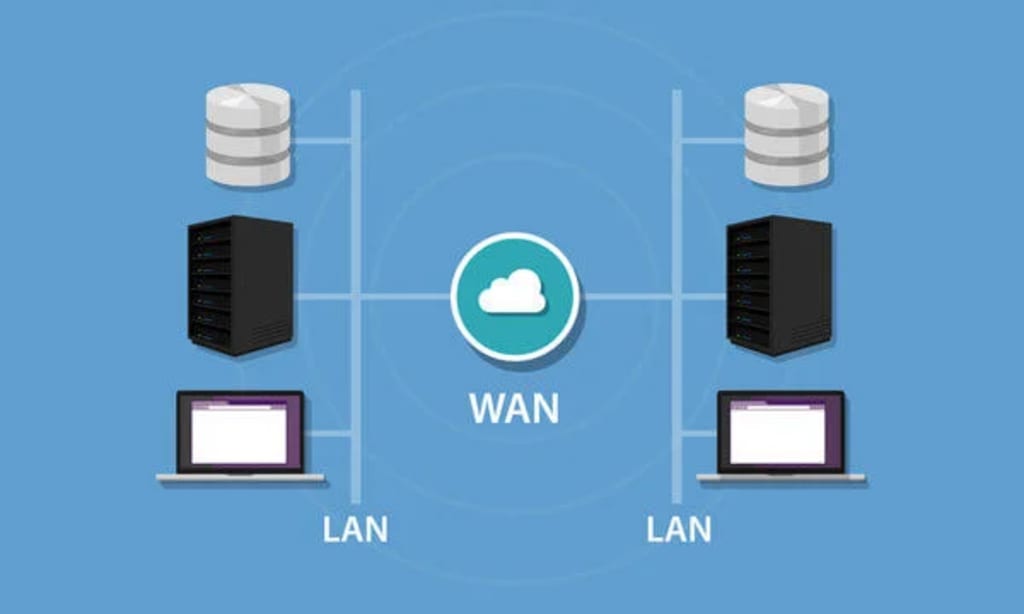
Introduction
In today’s interconnected world, networking plays a vital role in every aspect of communication and data sharing. Whether you're browsing the internet at home, managing a corporate system in an office, or connecting with services across continents, you're relying on different types of networks to get the job done. Among the most common network types are LAN (Local Area Network), MAN (Metropolitan Area Network), and WAN (Wide Area Network). Understanding the difference between LAN MAN and WAN is fundamental for anyone involved in IT, business operations, or digital communication.
This article will help you understand what each of these networks means, where they are used, how they differ, and which one suits specific needs.
What Is a LAN (Local Area Network)?
A Local Area Network (LAN) is a network that connects computers and devices within a limited geographic area, such as a home, office, or school. The primary goal of a LAN is to facilitate resource sharing — such as files, printers, or internet connections — among devices within the same location.
Key Characteristics of LAN:
- Coverage: Typically spans a single building or a small campus.
- Ownership: Usually owned and managed by a single organization or individual.
- Speed: Offers high-speed data transfer (typically 100 Mbps to 10 Gbps).
- Cost: Relatively low to install and maintain.
- Setup: Easy to install and configure for basic usage.
Examples of LAN:
- A Wi-Fi network in a household.
- A wired office network connecting employee computers and a shared printer.
- A school's internal network for student and staff access.
What Is a MAN (Metropolitan Area Network)?
A Metropolitan Area Network (MAN) covers a larger area than a LAN but is smaller than a WAN. It usually spans a city or a large campus, and it's often used to connect multiple LANs within that geographic region.
Key Characteristics of MAN:
- Coverage: Typically covers a city or a large urban area.
- Ownership: Can be owned by a single organization or managed by a telecom provider.
- Speed: Moderate to high speeds, depending on the infrastructure.
- Cost: More expensive than LAN due to its wider reach and technical requirements.
- Connectivity: Often uses high-speed fiber-optic cables for communication.
Examples of MAN:
- A city government connecting all its buildings through a single network.
- A university campus spread across multiple buildings.
- A regional branch network for a bank within a metropolitan area.
What Is a WAN (Wide Area Network)?
A Wide Area Network (WAN) spans a broad geographic area, often across countries or continents. It connects multiple LANs and MANs using technologies provided by public telecommunication systems like satellites, leased lines, and the internet.
Key Characteristics of WAN:
- Coverage: Global — can span across cities, states, countries, or even continents.
- Ownership: Typically not owned by a single organization. Instead, service is rented from providers.
- Speed: Varies based on location, technology, and service provider.
- Cost: High installation and maintenance costs due to its scale.
- Complexity: Requires advanced infrastructure and management.
Examples of WAN:
- The internet — the most common and largest WAN.
- A multinational corporation's network connecting global offices.
- Military and government networks for cross-border communication.
Difference Between LAN, MAN, and WAN
Let’s break down the difference between LAN, MAN, and WAN using a detailed comparison:
Coverage Area:
- LAN: Small (Home, Office)
- MAN: Medium (City, Campus)
- WAN: Large (Country, Global)
Ownership:
- LAN: Individual or Organization
- MAN: Shared or Telecom Provider
- WAN: Telecom Providers
Speed:
- LAN: High
- MAN: Moderate to High
- WAN: Varies (Generally Lower)
Cost:
- LAN: Low
- MAN: Medium
- WAN: High
Complexity:
- LAN: Simple
- MAN: Moderate
- WAN: Complex
Example:
- LAN: Office Wi-Fi
- MAN: City-wide public internet
- WAN: The Internet
Installation:
- LAN: Easy
- MAN: Requires Coordination
- WAN: Needs Professional Setup
When to Use LAN, MAN, or WAN?
Use LAN When:
- You need a secure, fast network in a confined area like a home, office, or classroom.
- You want to share printers, files, or applications within a small organization.
- Budget is limited, and maintenance needs to be minimal.
Use MAN When:
- You need to connect multiple buildings or offices within a city or large campus.
- A higher bandwidth is required than what WAN might offer locally.
- Centralized management is important across multiple departments or facilities.
Use WAN When:
- Your business or service spans multiple cities, countries, or continents.
- Global access, remote working, or cloud-based services are essential.
- You can invest in professional-grade infrastructure and network security.
Technologies Behind Each Network Type
LAN Technologies:
- Ethernet
- Wi-Fi
- Switches/Routers
MAN Technologies:
- Fiber Optics
- Microwave Transmission
- Metro Ethernet
WAN Technologies:
- Leased Lines
- Satellite Communication
- MPLS (Multi-Protocol Label Switching)
- VPN (Virtual Private Network)
Advantages and Disadvantages
LAN
Pros:
- High speed and reliability
- Low cost
- Easy setup and maintenance
Cons:
- Limited to small geographical areas
- Vulnerable to internal threats without security measures
MAN
Pros:
- Covers larger areas than LAN
- Useful for linking multiple sites
Cons:
- More expensive than LAN
- Can be disrupted by city infrastructure issues
WAN
Pros:
- Enables global connectivity
- Essential for large organizations and remote access
Cons:
- High setup and operational costs
- Requires strong security protocols
- Susceptible to latency and slower speeds
Security Considerations
Each type of network requires a different level of security. LANs are relatively easy to secure due to their limited access points, whereas WANs require sophisticated security strategies including firewalls, intrusion detection systems, and encrypted communication protocols due to the vast number of entry points and data transfers involved.
For MANs, since the network might span multiple buildings or be provided by a third party, regular audits and consistent policies are vital to maintain security and compliance.
The Future of Networking
With the rapid growth of IoT (Internet of Things), smart cities, and remote work culture, networks are evolving fast. LANs are becoming more wireless and efficient. MANs are enabling smart urban infrastructures, and WANs are leveraging cloud platforms and 5G for seamless global communication.
Technologies like SD-WAN (Software-Defined WAN) are now being used to increase the flexibility and control of WANs. Enrolling in specialized programs like Cisco SD-WAN Training can help network professionals stay ahead in mastering these cutting-edge systems.
Conclusion
Understanding the difference between LAN, MAN, and WAN is crucial for making informed decisions when designing or managing a network. LANs are ideal for local, high-speed networking. MANs serve as a bridge between local and global networks, offering regional connectivity. WANs provide vast coverage and enable the digital world to remain interconnected.
PM Networking is here to guide you through this journey — from consultation and planning to deployment and security management. Whatever your networking needs are, we make sure your connections are fast, reliable, and built for the future.
About the Creator
PMNetworking
PM Networking is an emerging leader in the ed-tech space, founded by Praphul Mishra in 2020 with a vision to democratize tech education.
Keep reading
More stories from PMNetworking and writers in Education and other communities.
Difference Between IPv4 or IPv6 – Which One Matters for CCNA?
If you're preparing for the CCNA full form – Cisco Certified Network Associate – understanding IP addressing is a must. One of the most frequently asked topics in the exam is the difference between IPv4 and IPv6. These two versions of Internet Protocol are the foundation of all modern networking, and understanding them deeply is essential for any networking professional.
By PMNetworking9 months ago in Education
Idempotent Pipelines and Fault Isolation in Stock Trading Bot
Modern stock trading bots work in very fast and data-heavy markets. They must be accurate, reliable, and consistent at all times. These bots read live market prices, create trading signals, place orders, and manage risk—often all at the same time. To work well in such conditions, professional trading bots use two important design ideas: idempotent pipelines and fault isolation. These ideas help bots stay stable, avoid mistakes, and keep running smoothly even when small problems happen. This blog explains these ideas in a simple and easy way.
By james hall5 days ago in Education


Comments
There are no comments for this story
Be the first to respond and start the conversation.