
What is the difference between freight forwarders and NVOCC?
We will explore what distinguishes a freight forwarder from an NVOCC and how to choose the right NVOCC software and freight forwarding software for your business.

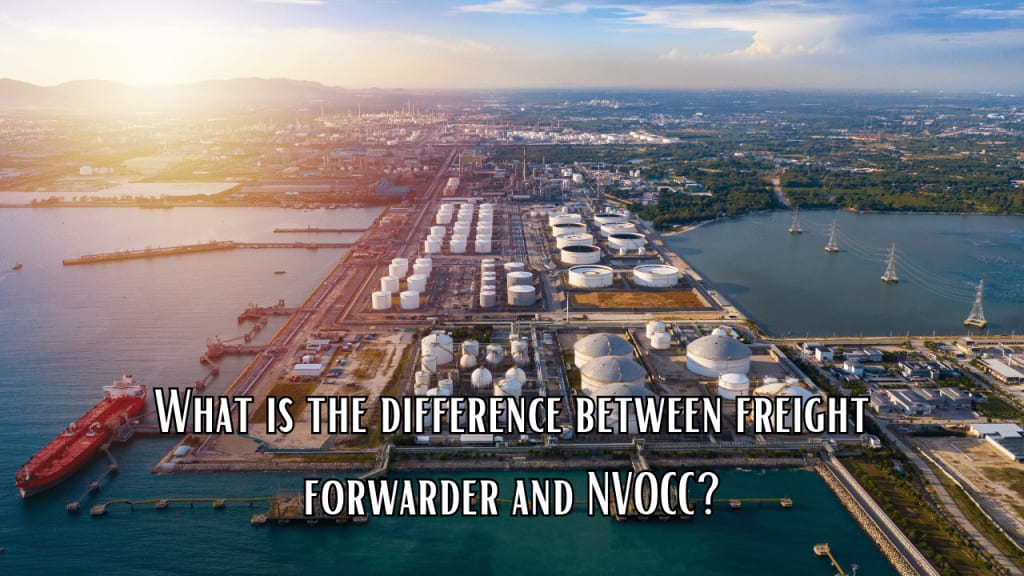
What is the difference between freight forwarders and NVOCC?
The world of logistics can be complex, and terms such as "freight forwarder" and "NVOCC" are often used interchangeably. While both play an essential role in the shipping industry, there are distinct differences between the two. In this article, we'll explore what distinguishes a freight forwarder from an NVOCC and how to choose the right NVOCC software and freight forwarding software for your business.
What is a Freight Forwarder?
A freight forwarder is a company that arranges the transportation of goods on behalf of its clients. Freight forwarders act as intermediaries between shippers and carriers, coordinating the shipment of goods across different modes of transportation, including air, sea, rail, and road. Freight forwarding is a complex process that involves several activities such as documentation, customs clearance, cargo insurance, and shipment tracking.
Freight forwarders have extensive knowledge of the shipping industry, including trade regulations, carrier networks, and transportation routes. They use this knowledge to negotiate rates, arrange transportation, and ensure that the cargo reaches its destination safely and on time. Freight forwarders may work with several carriers to find the best rates and services for their clients.
What is an NVOCC?
NVOCC stands for Non-Vessel Operating Common Carrier. An NVOCC is a company that provides ocean freight services without owning or operating its vessels. Instead, an NVOCC acts as a consolidator, combining small shipments from different clients into one larger shipment to take advantage of volume discounts from carriers.
An NVOCC assumes the responsibility of a carrier for the ocean transportation of goods, issuing its bills of lading and assuming liability for the cargo. NVOCCs may also provide other services such as container tracking, customs brokerage, and cargo insurance.
What are the Differences between Freight Forwarder and NVOCC?
The main difference between a freight forwarder and an NVOCC is their role in the shipping process. Freight forwarders act as intermediaries between shippers and carriers, coordinating the shipment of goods across different modes of transportation. NVOCCs, on the other hand, assume the responsibility of a carrier for the ocean transportation of goods.
Another difference between the two is their liability for the cargo. Freight forwarders are not liable for the cargo's loss or damage, while NVOCCs are liable for the cargo during the ocean transportation leg. Freight forwarders issue bills of lading on behalf of the carrier, while NVOCCs issue their bills of lading and assume liability for the cargo.
How to Choose the Right NVOCC Software and Freight Forwarding Software
NVOCC software and freight forwarding software can help businesses manage their logistics operations effectively. Here are some factors to consider when choosing the right software:
1. User-friendly Interface: Choose software with a user-friendly interface that is easy to navigate and use. The software should be intuitive and require minimal training to use effectively.
2. Comprehensive Functionality: Look for software that provides a range of logistics services such as documentation, customs clearance, and cargo insurance to simplify the shipping process. The software should also provide features like rate management, shipment tracking, and reporting to help you manage your operations effectively. With the right features, you can streamline your processes and reduce errors, saving you time and money in the long run.
3. Integration Capabilities: Choose freight forwarding software that can easily integrate with other software systems used in your logistics operations. Integration capabilities can help you connect with other stakeholders, such as carriers and customs brokers, to share data and streamline the shipping process.
4. Advanced Tracking and Reporting: Look for software that uses advanced technology to track and manage shipments in real-time, providing you with visibility and control over your cargo. Advanced tracking and reporting features can help you monitor shipments, identify potential issues,
5. Customization: Consider software that can be customized to meet your specific needs. The software should be flexible enough to adapt to your business requirements and provide tailored solutions to your unique challenges.
6. Security: Data security is crucial in the logistics industry, where sensitive information such as customer and shipment data is exchanged regularly. Choose software that provides advanced security features, such as encryption and multi-factor authentication, to protect your data from unauthorized access.
7. Customer Support: Look for software providers that offer reliable customer support to help you with any issues that arise. The provider should offer different support options, such as phone, email, and chat, and have a knowledgeable support team that can provide prompt solutions to your queries.
When choosing NVOCC software and freight forwarding software, it's essential to evaluate your business's specific needs and choose software that can meet those needs effectively. The right software can help you streamline your operations, reduce costs, and improve customer satisfaction.
Conclusion
In conclusion, freight forwarders and NVOCCs are essential players in the shipping industry, with distinct roles in the logistics process. Freight forwarders act as intermediaries between shippers and carriers, while NVOCCs assume the responsibility of a carrier for the ocean transportation of goods. Choosing the right NVOCC software and freight forwarding software can help businesses manage their logistics operations effectively, improving efficiency, reducing costs, and enhancing customer satisfaction. By considering factors such as functionality, customization, integration capabilities, security, and customer support, businesses can select the best software solutions to meet their unique needs.
The field of logistics can be complex, and it is common for terms such as "freight forwarder" and "NVOCC" to be used interchangeably. However, both of these entities play a crucial role in the shipping industry, and there are significant differences between them. In this article, we will explore what sets freight forwarders apart from NVOCCs and how businesses can select the appropriate NVOCC software and freight forwarding software to suit their needs.
About the Creator
Vijay Anand
Made a name for himself in the field of software and technology writing. Vijay has become a go-to source for in-depth analysis and insights into the world of software and technology. He is working in Aggrandize Ventures Private Limited
Keep reading
More stories from Vijay Anand and writers in Education and other communities.
Key Features to Look for in a Freight Forwarding Software Solution
Freight Forwarding is a complex process that requires the efficient coordination of various stakeholders, including shippers, carriers, and customs brokers. A reliable and efficient Freight Forwarding Software solution can help businesses manage this process by providing real-time visibility into shipments, inventory levels, and order status. In this article, we will discuss the key features that businesses should look for in a Freight Forwarding software solution.
By Vijay Anand3 years ago in Education
How Nursing Students Can Study Smarter and Build Clinical Confidence?
The nursing program is challenging, fast-paced, and often overwhelming. Between classes, clinicals, and exams, nursing students often feel as though they are being asked to memorize a tremendous amount of information while still trying to feel confident in actual patient scenarios. The reality is that success in nursing programs is not about working harder and putting in more hours. It is about working smarter and building the confidence in the clinical setting that is necessary to make effective decisions.
By Sulcus Learninga day ago in Education
The Devil's Triangle
The sails ruffled in the breeze as we cruised along. The Sea Breeze was a mid-size catamaran that sailed out of Royal Naval Dockyard in Bermuda. We had booked this trip weeks in advance and were now looking at our Captain, Spike and two boat hands. Paddy and Wilson seemed like nice guys, joking around with the passengers and telling us some stories about Bermuda that only locals would know. Their island accents sounded almost British but they were pleasant to listen to.
By Barbara Gode Wiles4 days ago in Fiction



Comments
There are no comments for this story
Be the first to respond and start the conversation.