
What is the correlation between mental health and social media usage, and how does one achieve a healthier relationship with it?
Correlation between mental health and social media usage
Introduction
In the contemporary era of technology, social media is now part of everyday life. Facebook, Instagram, Twitter (X), LinkedIn, and TikTok are a few of the sites where people communicate, share life, and have direct access to information. As much as these sites provide the potential of communication and self-expression, they also carry risks that are detrimental to mental well-being.
The effect of social media on mental health is complex — it can provide support, community, and education, but it can also lead to stress, anxiety, depression, and low self-esteem. Balance is key. Being mindful of this dynamic enables individuals to use social media thoughtfully rather than being controlled by it.
The Positive Effect of Social Media on Mental Health
Connection and Community
Social media allows people to stay connected with friends and family across distances.
It fosters a sense of belongingness, especially for marginalized groups who are able to find supportive communities online.
Access to Information and Support
Mental health services, inspirational posts, and educational material are easily available.
Peer-support groups and professional sites provide useful tips and coping strategies.
Self-Expression and Identity Exploration
Websites allow users to express creativity, share experiences, and try on different aspects of identity.
For others, it's a safe haven for self-expression and emotions.
Professional Networking and Opportunities
Platforms like LinkedIn enable individuals to build careers, learn skills, and hunt for employment opportunities.
The Negative Effects of Social Media on Mental Health
Comparison and Self-Esteem Issues
Viewing edited, idealized representations of other people's lives might trigger feelings of inadequacy.
Unrealistic expectations of beauty and lifestyles foster negative self-perception.
Anxiety and Depression
Excessive use, especially pre-sleep scrolling, is linked to higher anxiety and depression symptoms.
Fear of Missing Out (FOMO) enhances stress through comparisons with others.
Cyberbullying
Online harassment, trolling, and hurtful messages can cause emotional harm, leading to social withdrawal or self-harm.
Addiction and Screen Time Overload
The addictive features of platforms (likes, notifications, endless scrolling) keep users hooked.
Prolonged use disrupts sleep, reduces productivity, and leads to physical health issues.
Less Real-Life Connection
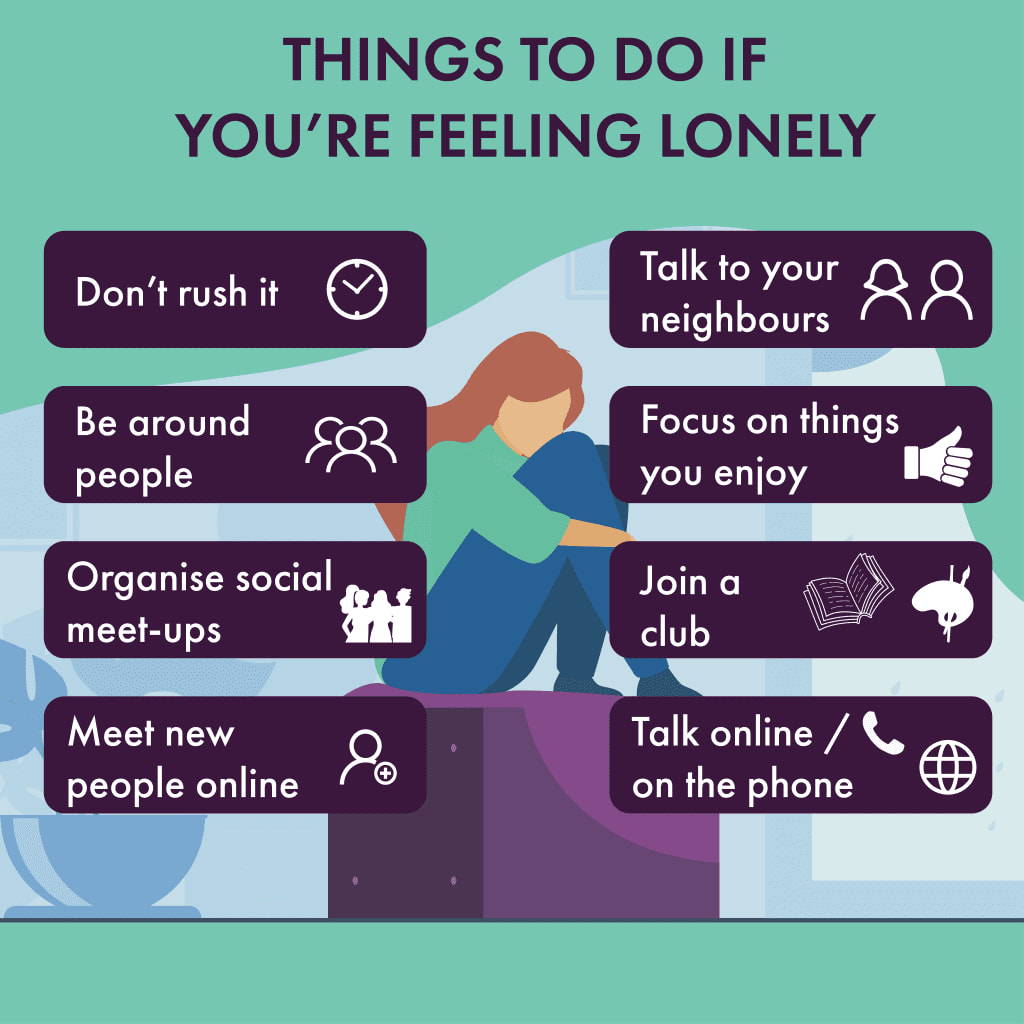
Overuse of online communication can replace in-person relationships with solitude and loneliness.
Sleeping Issues
Blue light screen time before bedtime influences melatonin release.
Social media use at late hours of the night still stimulates the brain, reducing the quality of sleep.
Who Is Most Vulnerable?
Teenagers and Young Adults: Excessive screen time during developmental years influences self-concept and emotional regulation.
People with Pre-existing Mental Illness: Social media can worsen anxiety, depression, or symptoms of body dysmorphia.
People Who Are Socially Isolated: Online connection is a good thing but at the cost of deeper, face-to-face interaction.
Research Results
Studies show that people who spend more than 3 hours a day on social media are more prone to poor mental health.
Passive use of social media (simply scrolling and not interacting) is directly related to depressive symptoms.
Cutting back to 30 minutes of use per day has been linked to improved mood and reduced anxiety.
Building a Healthier Social Media Relationship
1. Practice Digital Mindfulness
Be aware of online time and how it affects mood.
Reflect: Do I feel worse or better after scrolling?
2. Set Boundaries and Time Limits
Use screen time trackers or in-app time limits.
Schedule "phone-free" hours, especially during meals and bedtime.
3. Curate Your Feed
Follow accounts that promote positivity, learning, and mental health awareness.
Unfollow or mute content that triggers comparison or negative emotions.
4. Engage Actively, Not Passively
Instead of mindless scrolling, engage with meaningful content, comment, or share inspirational messages.
5. Prioritize Real-Life Connections
Invest more time in face-to-face interactions with friends and family.
Balance online interaction with offline activities like hobbies, exercise, and nature.
6. Take Digital Detox Breaks
Designate one day a week as a "social media-free day."
Consider taking short breaks (a week or weekend) to restart mental health.
7. Seek Professional Help if Needed
If social media use worsens anxiety, depression, or self-esteem, consult a mental health professional.
Tips for Parents and Educators
Monitor children's and teenagers' screen time without being overly restrictive.
Promote open conversations on online life stresses.
Teach critical thinking to allow young people to determine reality from curated content.
Final Thoughts
Social media is not inherently bad, but how it is used will determine its impact on mental health. Intentionally used, it can be a means of community, education, and support. Excessively or passively used, it can breed comparison, anxiety, and isolation.
The goal is not to quit social media altogether but to establish boundaries, become mindful, and make conscious choices about what to consume and how to engage. In a reality where online engagement is unavoidable, balance is the greatest defense to protect mental health.
For professional mental health consultation, visit:
https://www.delhimindclinic.com/
If you also run or plan to create a Craft CMS website and require optimization or consultation, visit:
https://www.craftcmsdeveloper.in/
Feel free to get in touch if you need to update your Craft site or simply wish to talk about your Craft project. I provide a complimentary consultation!
About the Creator
Keep reading
More stories from Naveen Garg and writers in Education and other communities.
How could workplace stress influence mental health, and what are the ways to handle it best?
Work environments are often fast-paced, demanding, and competitive. While some level of stress is energizing and enhances performance, excessive workplace stress has significant effects on physical and mental health. The modern workplace, spurred on by technology, time constraints, multitasking, and increasing expectations, tends to intrude on boundaries between work and personal life. As a result, more individuals are experiencing anxiety, depression, burnout, and related issues directly linked to job stress.
By Naveen Garg5 months ago in Education
From Job to Prison: Revenge, Sacrifice, and Ending
The story begins by showing a bald and strong man named Bradley, who is a car mechanic by profession. As usual, Bradley reaches the garage with a broken car, but after arriving there, he sees that the garage owner is anxiously waiting only for him, which makes him a little surprised. Then the garage owner calls him into his office. Hearing this, Bradley understands that he is about to be fired from his job, and exactly that happens. The owner tells him that these days the garage is going through a financial crisis, and that is why he is being forced to fire some workers. But this is only an excuse, because Bradley is a hard-tempered man, and the owner wants to remove him and hire someone who flatters him. Now since Bradley is a tough man, he does not argue with the owner. He goes to the locker room, takes out his belongings, takes his car, and silently leaves for home. And yes, friends, this is where the downfall of Bradley’s life begins, which continues straight until the end of the story and ends there. Anyway, Bradley stops his car in front of his house, and at the same time he sees that his wife Lauren is sitting in her car, talking to someone on the phone. Bradley becomes suspicious of her. To know the truth, he keeps watching her carefully for some time. When he becomes sure, he immediately goes to Lauren and tells her to open the car door. His wife says, “You came back from work very early today.” At the same moment, Bradley notices marks of someone else’s lips on her neck and says to Lauren, “Give me your phone.” But Lauren refuses to give the phone, because of which Bradley forcefully snatches the phone from her, and his suspicion turns out to be correct. She is talking on the phone with another man. In anger, Bradley tells Lauren to go inside the house. Lauren says, “At least listen to me.” Bradley says, “I said go inside the house.” Then Lauren silently goes inside the house. Now, he had already been fired from his job a little while ago, and now his wife’s affair, because of which he had become even more disturbed, so he starts taking out all his anger on Lauren’s car. How? You can see that yourself. Yes, he is so angry that he does not even realize that his hands have been badly injured. After that, he calms himself down and goes inside the house and questions Lauren about how many days she has been with the other man. Lauren tells him everything, that for the past three months she had been having an affair with someone else. Actually, Bradley’s wife had an abortion a few days earlier, because of which she used to remain sad, and Bradley often stayed busy with his work. Because of this, Lauren felt lonely and very depressed at home, and to fill this emptiness, she had to take support from another man. Hearing these things, Bradley realizes that he should have given time to Lauren. He apologizes to Lauren for this and says that from today, from right now, they will both start a new life. Lauren agrees. After that, Bradley tells Lauren that he has been fired from his job and now he will work for a man named Gil, who is a drug lord. As soon as she hears Gil’s name, Lauren clearly refuses and says, “You yourself said that you would never work with Gil.” Bradley says, “Yes, but in such circumstances, we cannot live like a prosperous family. To run a family, money is needed, and at this time I have no other option.” He also assures Lauren that he will do this work very carefully.
By Filmon Ke Raaz | Movie Mysteries Explainedabout 9 hours ago in Education
Beyond Speed: How High-Performance Computing Is Shaping Tomorrow’s Discoveries
High-Performance Computing is changing how people explore ideas, test theories, and solve complex problems. It allows machines to work together at great speed. These systems can handle tasks that are far too large for standard computers. As a result, High-Performance Computing and the future of discovery are closely linked.
By Jason Pruetabout 20 hours ago in Education
Miss Persephone's Manual to a Seemingly Ordinary Life
Miss Persephone was found at the dining table, her blue eyes swollen, her tears arriving and retreating like the tides of the ocean. Earlier that day, her family had visited her in the retirement home where she had lived for eight years. It was her eightieth birthday.
By Imola Tóth4 days ago in Fiction


Comments
There are no comments for this story
Be the first to respond and start the conversation.