
What Is the Best Treatment for Depression?
Best Treatment for Depression
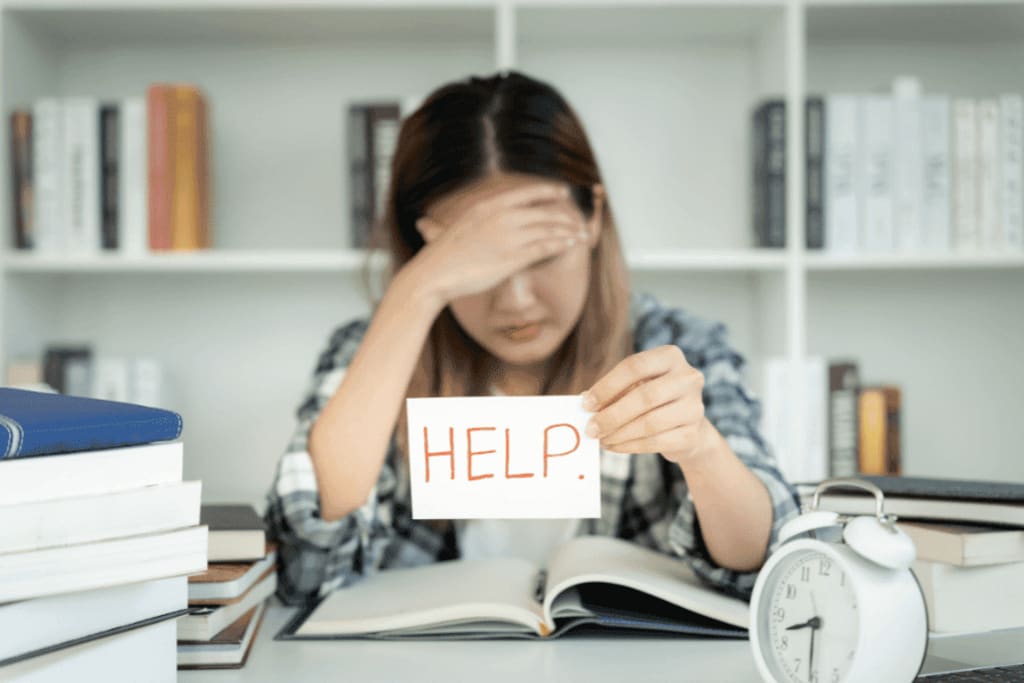
The most common mental illness in the world, depression affects the lives of millions of people of all ages, sexes, and ethnicities. Depression, part of the normality of being human, entails the emotions of sadness, grief, or low spirits; clinical depression, however, is a chronic and at times disabling illness that interferes with daily functioning, interpersonal relationships, and overall well-being. The good news is that depression can be treated very successfully, and with the proper combination of treatments, many people recover and lead fulfilling lives.
The article addresses the most effective treatments for depression, from psychotherapy and medicines to lifestyle strategies and newer treatments, and emphasizes the importance of tailoring treatment to each individual.
Understanding Depression
Depression, also called major depressive disorder (MDD), is characterized by:
Feeling sad or empty most of the time.
Loss of interest or pleasure in activities that were once enjoyed.
Changes in appetite or weight.
Sleep disturbances (oversleeping or insomnia).
Tiredness or lack of energy.
Difficulty concentrating or deciding.
Feeling useless or extreme guilt.
Recurrent death or suicidal thoughts.
These symptoms should last at least two weeks and significantly impair functioning to make a clinical diagnosis. Depression is either single, recurring, chronic, or periodic and is of a mild, moderate, or severe nature.
Causes and Risk Factors
Depression is defined by a number of factors:
Biological: Genetic predisposition, chemical imbalances in neurotransmitters (serotonin, norepinephrine, dopamine).
Psychological: Distorted thinking, unresolved trauma, low self-esteem.
Social/Environmental: Stressful life experiences, social support networks, economic issues, isolation.
Medical: Chronic illness, certain medications, endocrine changes.
Pinpointing the multifactorial etiology of depression is crucial to customize treatment.
Successful Treatments for Depression
1. Psychotherapy
Psychotherapy, or "talk therapy," helps individuals recognize, understand, and change distorted thought and behavior patterns.
Cognitive Behavioral Therapy (CBT):
Celebrated as the gold standard for the treatment of depression, CBT is a practice that entails a emphasis on negative thinking ("I am worthless," "Nothing will ever get better") and substitution of this with more positive, realistic thoughts. It also encourages behavioral activation, where patients reinstate activities that produce a sense of achievement or enjoyment.
Interpersonal Therapy (IPT):
IPT targets strengthening interpersonal relationships and interpersonal disagreements that are likely to culminate in depression. IPT helps patients develop more healthy communication patterns and interpersonal support.
Psychodynamic Therapy:
This therapy addresses unresolved past experiences and unconscious struggles potentially underlying current symptoms.
Mindfulness-Based Cognitive Therapy (MBCT):
MBCT combines CBT with mindfulness training to prevent relapse in patients with recurrent depression.
Psychotherapy is most effective in mild to moderate depression and is typically added to medication for serious cases.
2. Medication
Medications, also referred to as antidepressants, correct a chemical imbalance of the brain with a mood disorder. They are not a cure but can decrease symptoms substantially and make functioning better.
SSRIs (Selective Serotonin Reuptake Inhibitors): Typically the first-line medications prescribed, including fluoxetine, sertraline, and escitalopram. They have fewer side effects compared to older antidepressants.
SNRIs (Serotonin-Norepinephrine Reuptake Inhibitors): Such as venlafaxine and duloxetine, which are helpful for patients with symptoms of pain or fatigue.
Atypical Antidepressants: Such as bupropion (boosts energy and concentration) or mirtazapine (helps with sleep and appetite).
Tricyclic Antidepressants (TCAs) and MAOIs: Powerful but typically reserved for treatment-resistant depression due to side effect profiles.
Worth noting is that medications might take 4–6 weeks to achieve full effect, and treatment should be under the guidance of a competent psychiatrist.
3. Strategies for Lifestyle
Lifestyle modifications are effective adjuncts to treatment and medication:
Exercise: Day-to-day exercise triggers the release of endorphins, lowers stress hormones, and improves mood. Brisk walking for 30 minutes a day can be beneficial.
Nutrition: Proper diet with intake of omega-3 fatty acids, whole grains, lean proteins, and fresh fruits and vegetables promotes brain health. Restriction on alcohol, caffeine, and processed foods also helps.
Sleep Hygiene: Maintaining consistent sleeping habits, minimizing screen time before bed, and engaging in a soothing pre-bedtime routine improves mood and energy.
Stress Management: Meditation, yoga, deep breathing, and journaling can reduce depressive symptoms.
Social Support: Being emotionally close to one's loved ones helps to offset isolation and instill feelings of security.
4. Higher-Level Therapies
In individuals with treatment-resistant depression, newer or more intense therapies may be prescribed:
Electroconvulsive Therapy (ECT): ECT works in the face of stigma, especially in the case of severe or life-threatening depression when speedy action is called for.
Repetitive Transcranial Magnetic Stimulation (rTMS): A harmless brain stimulation treatment that uses magnetic fields to activate sites implicated in mood regulation.
Ketamine and Esketamine Therapy: Both treatments, under medical guidance, have been shown to provide immediate antidepressant effect in individuals who are unresponsive to conventional medication.
Vagus Nerve Stimulation (VNS): A generator is implanted surgically to stimulate the vagus nerve, which influences mood-controlling parts of the brain.
5. Coping Skills and Self-Care
Teaching patients coping skills ensures long-term recovery. Techniques include:
Breaking down small, achievable goals.
Breaking tasks into steps.
Rewarding even small progress.
Practicing self-kindness instead of self-criticism.
Engaging in hobbies, creative activities, or nature experiences.
The Role of Social and Family Support
Supporting relationships are vital for recovery. Families can help by:
Listening without criticism.
Fostering treatment compliance.
Education on depression to gain an insider's perspective on the patient's reality.
Providing assistance in daily activities in times of crisis.
Family members should engage in self-care activities as well, because caring for someone with depression can be emotionally draining.
Real-Life Example
Take the example of Ananya, a 34-year-old teacher who lost interest in her professional and social life over time. She had insomnia, felt tired all the time, and was hopeless. She was reluctant at first, but eventually took help after prodding from her relatives.
Her psychiatrist prescribed her an SSRI, and she began CBT sessions. She also added walking every day and joined a support group. Within a couple of months, her symptoms significantly improved and she enjoyed teaching and visiting friends again.
Ananya's case shows how a combination of treatments — medication, therapy, and lifestyle modifications — can lead to actual recovery.
Long-Term Management and Prevention
Depression often must be treated for the long term. Prevention from recurrence includes:
Continuation of therapy despite recovery of the symptoms.
Compliance with medication schedules prescribed.
Recognition of relapse warning signs.
Healthy lifestyle and stress management.
With continued care, many of them recover completely and remain well in the long term.
Final Thoughts
Depression is a complex but highly treatable disease. The most effective treatment often consists of a combination of psychotherapy, medication, and good life habits, individually tailored to the person. Individuals with treatment-resistant depression find hope and new ways to achieve recovery with newer therapies.
Early intervention is necessary. Depression may worsen without intervention, but with help, patience, and evidence-based treatment, recovery is possible.
If you, or someone who knows you, are depressed, then the first step towards recovery is to seek professional help.
For more information and advice, go to:
About the Creator
Keep reading
More stories from Naveen Garg and writers in Education and other communities.
How can we diagnose and treat Panic Disorder?
Panic disorder is a disorder of anxiety characterized by recurrent, unjustified panic attacks and a persistent fear of recurrent attacks. Different from usual stress or passing fear, panic disorder can disrupt ordinary life and establish a fear-avoidance pattern strongly interfering with one's ability to function. It is crucial to understand the symptomatology, etiology, and appropriate treatment of panic disorder in order to start early intervention, recovery, and restoration of quality of life.
By Naveen Garg5 months ago in Education
Hosting a Book Fair
How many of you remember the “best week ever!” from when you were a child? Book fairs were the staple of many of our childhoods with Scholastic leading the way. While there are many choices for book fairs today and I absolutely want to talk about them, that’s going to be a later article.
By Reb Kreyling6 days ago in Education
Communicating with Confidence: Building Trust Through Simplicity
Trust is the cornerstone of any meaningful relationship, whether professional or personal. At the heart of trust lies the ability to communicate clearly. People naturally respond to straightforward, reliable, and easy-to-understand information. Professionals who prioritize clarity establish credibility and foster confidence in others. Clients, colleagues, and partners feel assured that they can make informed decisions when the messages they receive are transparent and well-articulated.
By Stacey Yim4 days ago in Education



Comments
There are no comments for this story
Be the first to respond and start the conversation.