
What is System Integration Testing (SIT) Example
It is a testing method that ensures engineers and software developers can assess the interactions between various modules within a unified, single system.

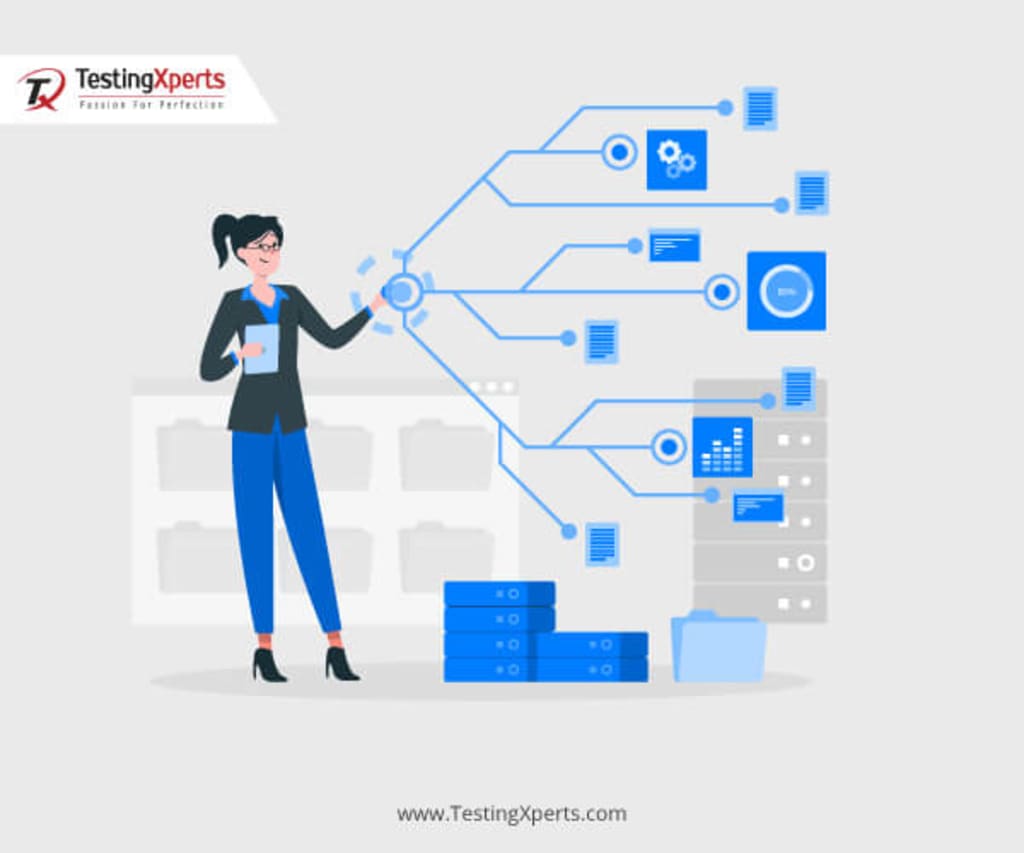
The domain of software development and testing services is going through a progressive phase, with more corporations embracing the platform of software technologies to build great products and applications. From a software development perspective, it becomes important to test the interactions between external interfaces, APIs and modules.
By adopting the system integration testing (SIT) method, bugs are not only identified and fixed but also made sure that the elements are properly integrated. In this article, you will learn about the SIT method along with an example.
What is System Integration Testing (SIT)?
It is a testing method that ensures engineers and software developers can assess the interactions between various modules within a unified, single system. In software systems, a specific function is contained in a file (which is referred to as a module).
Multiple modules are involved in software applications and each of these modules has a distinct function to perform. System integration testing is performed during the software testing life cycle process.
Following are the key factors that depict the strategic importance of system integration testing:
1. Performance issues need to be covered: Performance bottlenecks that arise from component integration are revealed by the SIT method. This in turn enables teams to elevate user satisfaction and improve system performance.
2. Improving communication and collaboration: Integration issues are addressed effectively by cross-functional teams. This in turn promotes a culture of problem-solving and effective communication
3. System reliability is improved: The objective is to ensure that there is a smooth operation of the combined parts, reducing the risk of glitches and strengthening the system’s overall reliability in real-world usage.
4. Risks are mitigated early: By performing SIT, integration risks can be mitigated by teams early on in the development process. This in turn leads to a more robust final product and smoother deployments.
5. End-to-end functionality is streamlined: End-to-end system’s functionality is validated by the SIT method; wherein real-world scenarios are simulated and integration-related defects or bugs are uncovered.
6. Seamless user experience is facilitated: By assessing end-to-end functionality, SIT ensures that users are provided with an uninterrupted and smooth experience, while they interact with the software.
System integration testing example:
For suppose there is a banking system that contains the following modules:
Transaction processing module: It is used to process transactions like transfers, withdrawals and deposits
Account management module: Different types of accounts (e.g., loans, savings, checking etc.,) are managed by this module
Customer management module: It is used to handle transactions, accounts and customer information
Reporting module: Reports on financial performance, transactions and account activity are generated by this module
Payment gateway module: Online payments are facilitated by this module.
Example test scenario:
Verification should be done to know whether a customer can make an online payment using a debit card. By following this test case, the integration between payment gateway, transaction processing, account management, customer management and payment gateway should be tested to make sure that the banking system functions as correctly as possible.
Following are the key members involved in system integration testing:
1. Developers and system architects: QAs, system architects and developers work collaboratively to understand design and integration requirements. The creation of an integrated testing environment is supported.
2. Test leads and test managers: They plan the project goals and scope and ascertain the schedule and approach for SIT.
3. Quality assurance team: QAs conduct system integration testing, create detailed test cases and check that the integrated components function appropriately. Issues are reported and tracked accordingly.
4. Business analysts: They associate with the QA team to ensure that the integrated system is in line with business requirements. System integration test cases are reviewed and validated by business analysts.
Conclusion: System integration testing can prove to be extremely rewarding for testing an application, provided the testing team knows how to conduct SIT productively.
About the author: I am a technical content writer focused on writing technology specific articles. Software testing is one of the areas in which I’m really interested. In this article, I have tried to provide some meaningful information on system integration testing.
About the Creator
Jessica Wood
I am Jessica wood and I am a Software tester for over 9 years , blogger, technology geek, and I use software testing to explore and learn about my world.
Keep reading
More stories from Jessica Wood and writers in Education and other communities.
What is QA Automation: Benefits, Tools, and Best Practices
QA Automation (Quality Assurance Automation) refers to the use of automated testing tools and scripts to perform software testing tasks that were traditionally done manually. Automation in QA involves writing test scripts that can be executed automatically, reducing the need for human intervention in the testing process.
By Jessica Woodabout a year ago in Education
How Top-Ranked Teams Build a Culture of Excellence and Consistent High Performance
In today’s competitive business environment, success is rarely the result of individual talent alone. Strong, aligned, and resilient teams power organizations that consistently lead their industries. Lists highlighting outstanding teams, such as those curated by Forbes, have drawn attention to a critical truth: exceptional performance is built intentionally. These teams succeed because of how they collaborate, lead, and adapt over time. Understanding what sets these high-performing teams apart provides a roadmap for organizations seeking sustainable excellence.
By Daniel Ladnerabout 5 hours ago in Education
Is Pharmacy Tech a Good Career Choice for 2026?
Given the recent shifts in the market and AI automation, people are now well aware that economic shakeups can drastically hinder their income sources. This is causing a lot of people to switch careers, and a majority of people are targeting healthcare roles. However, not all allied healthcare roles are created equal. Also, you can aim to become a medical assistant, but if you do not want to deal with patients, the ideal role for you is that of a Pharmacy Technician.
By Meaghan Howe4 days ago in Education




Comments
There are no comments for this story
Be the first to respond and start the conversation.