
What is SERP Volatility index and How to Tackle It
SERP Volatility

What is SERP Volatility index and How to Tackle It
If you're into SEO or digital marketing, you’ve likely heard the term "SERP Volatility." It's a concept that refers to the fluctuation in search engine result pages (SERPs), and it can make even the most seasoned marketers uneasy. This blog will dive into what SERP volatility is, why it happens, and how you can stay ahead of the curve.
What is SERP Volatility?
SERP Volatility refers to the changes in the rankings of websites within search engine results. It's an indication that something in the search algorithm or user behavior is shifting, causing fluctuations in the visibility of various web pages. These changes are often unpredictable, meaning that even well-established websites can experience sudden rises or drops in their rankings.
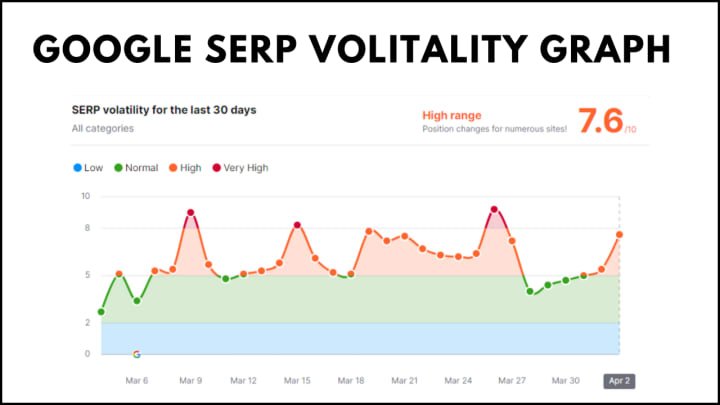
While these fluctuations are a normal part of the search landscape, knowing how to monitor and manage them is crucial for maintaining your site’s performance and ensuring continued traffic growth. If your website drops in the rankings due to SERP volatility, it could have a direct impact on your traffic and revenue.
What Causes SERP Volatility?
Several factors can contribute to SERP volatility, including changes in Google’s algorithm, search intent, and more. Let’s take a deeper look at what could cause these fluctuations.
1. Google Algorithm Updates
Google updates its algorithm frequently to ensure that search results align with the latest user behaviors and industry standards. Major updates like the Core Web Vitals or the Mobile-First Indexing update can significantly affect rankings. Keeping up with these updates is crucial for adapting your SEO strategy accordingly. Keeping an eye on Google’s updates and adapting your strategy is key to navigating SERP volatility effectively.
2. Mixed Search Intent
When search queries have unclear or mixed intents, Google may show different types of results to see which best satisfies the user. This can lead to volatility, as search engines adjust their algorithms to interpret intent correctly. For instance, "best web development in Kansas City" could have various interpretations depending on whether the user seeks services, case studies, or reviews.
3. High Keyword Difficulty
Highly competitive keywords often face extreme volatility, especially when large brands battle for top spots. You can counter this by targeting less competitive long-tail keywords. For example, instead of aiming for “SEO services Kansas City,” focusing on “SEO for local businesses in Kansas City” could help you achieve more stable rankings while attracting a highly targeted and relevant audience looking for tailored solutions. This strategy can help achieve more consistent rankings and attract highly relevant traffic without getting caught in intense competition.
4. Indexing and Crawling Issues
Google uses crawlers to index websites, and any issues during this process can result in ranking changes. Common issues include slow loading times or broken links that prevent the crawlers from properly indexing your content. Tools like Google Search Console can help you identify and fix such issues, improving your site's stability.
5. Penalties
Google may penalize websites for violating its guidelines, resulting in a drastic drop in rankings. These penalties can come from practices like keyword stuffing or unnatural link building. Ensuring your website follows SEO best practices is vital to avoid penalties.
6. Keyword Cannibalization
Keyword cannibalization happens when multiple pages target the same keyword, which can confuse search engines about which page should rank. Proper content strategy and targeting unique long-tail keywords can help prevent cannibalization.
How to Prevent SERP Volatility from Happening
While it’s impossible to entirely eliminate SERP volatility, there are steps you can take to minimize its impact:
1. Stay Updated on Algorithm Changes
Google frequently updates its algorithms to improve search results. Keeping track of these changes will help you understand their potential impact on your site’s rankings. You can monitor Google’s announcements through the Google Search Liaison social media or industry blogs to stay ahead of shifts that could affect your visibility.
2. Focus on Technical SEO
Technical SEO is crucial for maintaining consistent rankings. This involves optimizing the backend elements like page speed, crawlability, internal linking, and fixing broken links. Regularly auditing your site for technical issues ensures that search engines can crawl and index your content effectively, which directly impacts your rankings.
3. Ensure Mobile Optimization
With mobile-first indexing becoming the standard, ensuring your site is fully optimized for mobile devices is essential. Your site should load quickly, be easy to navigate, and display well across all screen sizes.
4. Perform Regular Site Audits
Regular site audits help you identify problems that could hurt your rankings, such as broken links, slow page speeds, or thin content. SEO tools like Screaming Frog or SEMrush can help you run audits, and they provide actionable insights to improve your site’s performance.
5. Analyze Data Frequently
Continuous data analysis allows you to detect fluctuations in rankings early. By identifying which pages or keywords are losing ground, you can address issues like outdated content or lost backlinks.
How to Track SERP Volatility
To track SERP volatility, use specialized tools that monitor keyword rankings and detect fluctuations in real time. Some popular tools include:
- SEMrush – Provides detailed SERP tracking and alerts for ranking changes.

- Ahrefs – Offers robust keyword tracking features for long-term monitoring.
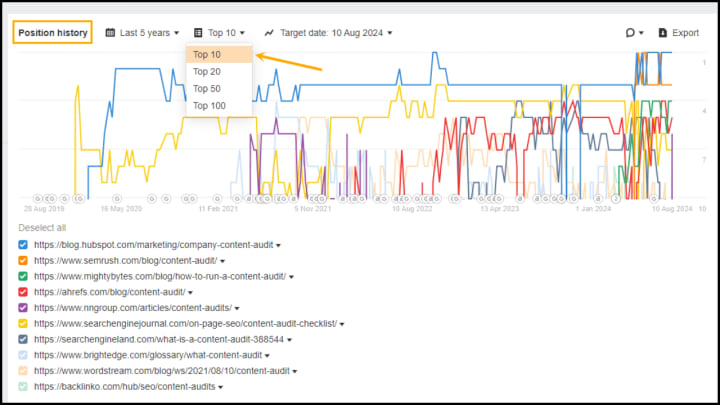
- Moz – Known for its Rank Tracker tool that tracks SERP volatility.

These tools allow you to monitor shifts in your rankings and adjust your strategy accordingly.
Best SEO Practices To Better Manage SERP Volatility
Managing SERP volatility involves consistent, strategic efforts. Here are some best practices:
1. Create High-Quality Content
Google values authoritative and well-researched content. Focus on creating content that not only targets keywords but also answers user queries thoroughly. This will help you maintain a solid position in SERPs even during times of volatility.
2. Refine Your Technical SEO Strategy
To ensure your site ranks well, you need to focus not only on content and on-page optimization but also on technical SEO and the website infrastructure. A solid technical SEO foundation, such as optimizing page speed, fixing broken links, and making the site mobile-friendly, ensures better crawling and indexing by search engines. This strengthens your chances of appearing on relevant SERPs. Improving load times and responsiveness across devices, while aligning with Google’s Core Web Vitals, is a key step in enhancing your site’s SEO performance.
3. Focus on User Experience
A good user experience (UX) ensures that visitors stay on your site longer, improving engagement and reducing bounce rates. Google uses engagement metrics as ranking factors, so a user-friendly site can help improve rankings even during fluctuations.
4. Target Long-Tail Keywords
Long-tail keywords are less competitive and less likely to fluctuate drastically. By targeting specific, niche keywords, you can increase your chances of ranking consistently and reducing the impact of SERP volatility.
5. Diversify Your Marketing Platforms
While SEO is essential, diversifying your marketing efforts can safeguard your business against ranking volatility. Incorporate content marketing, social media, and even paid advertising into your strategy to ensure a steady flow of traffic.
Final Thoughts
SERP volatility is inevitable, but it doesn’t have to derail your SEO efforts. By understanding its causes and following best practices, you can maintain a stable online presence. Regular audits, staying updated on algorithm changes, and focusing on content quality will help you stay ahead and reduce the impact of SERP fluctuations and continue driving traffic to your site.
About the Creator
How Ramen Enthusiasts Around the World Perfect the Art of Slurping
Ramen is more than noodles in broth. For ramen enthusiasts, it is a full experience that uses sound, timing, and focus. Across the world, people who love ramen share slurping habits that may look simple but carry deep meaning. Slurping is not an accident or bad manners. It is a learned skill that improves flavor and enjoyment. This article explores how ramen enthusiasts slurp, why it matters, and how this habit connects cultures everywhere.
By Table to Stix Ramen4 days ago in Education
CREATING MONSTERS...
What kind of woman extorts her fifty-something gay brother, “best friend,” groomsman in her star-studded wedding, and Godfather to her son – with false, extortionate allegations of incestuous childhood sexual abuse (statutory rape)? And what kind of man betrays his wife and children for the notorious gold digger who secretly saved his dick pics as what she herself described as “blackmail materials” – just weeks before The National Enquirer used the photos to blackmail him?
By Michael Sanchezabout 14 hours ago in Education
One Unchecked Box
"Republished" because it was the only way to add the embed for the newly recorded audio version of this story due to the Top Story badge. Plus it serves as a nice, informal announcement of the podcast's revival for another season (go subscribe!):
By Stephen A. Roddewig3 days ago in Fiction




Comments
There are no comments for this story
Be the first to respond and start the conversation.