
What is haiku
Haiku is a traditional form of Japanese poetry that follows a strict syllable pattern of 5-7-5. The poem usually focuses on nature and is meant to briefly capture a moment or scene, conveying emotions through its words. Haiku is characterized by its simplicity and serenity, allowing readers to contemplate and appreciate the beauty of the natural world. To write a Haiku, one must focus on describing a specific moment in nature and capturing the emotions it evokes. The poem should be written in three lines, with the first and third line having 5 syllables and the second line having 7 syllables. Haiku is a form of poetry that emphasizes brevity and minimalism, encouraging poets to express their thoughts and feelings through few, carefully chosen words. In Haiku, the season or time of year is also an important aspect to consider. A reference to the season, known as "kigo," is often included in the poem. This helps to set the scene and adds a layer of meaning to the poem, connecting it to the natural world and the cycles of nature. The use of sensory language is also important in Haiku, as it helps to bring the scene to life for the reader. The poem should aim to paint a picture in the reader's mind, allowing them to experience the moment along with the poet. Haiku is not just a form of poetry, but a form of meditation and reflection. It invites the reader to slow down and appreciate the simple beauty of the world around us, promoting mindfulness and a sense of peace. Haiku has been an important part of Japanese culture for centuries, and its influence can be seen in other forms of Japanese art and literature. The simplicity and elegance of Haiku has made it a popular form of poetry all over the world, with poets from different cultures and backgrounds adapting the form to suit their own needs and styles. Haiku has also been used as a tool for self-expression and personal growth, helping individuals to connect with their inner selves and the world around them. In modern times, Haiku has become an accessible and popular form of poetry, with many poets and enthusiasts coming together online to share their work and engage in Haiku challenges. The growth of Haiku communities has encouraged poets to experiment with different themes and styles, while still adhering to the basic structure and principles of Haiku. Overall, the formation of Haiku continues to evolve, but its core elements remain unchanged, making it a timeless and beloved form of poetry.
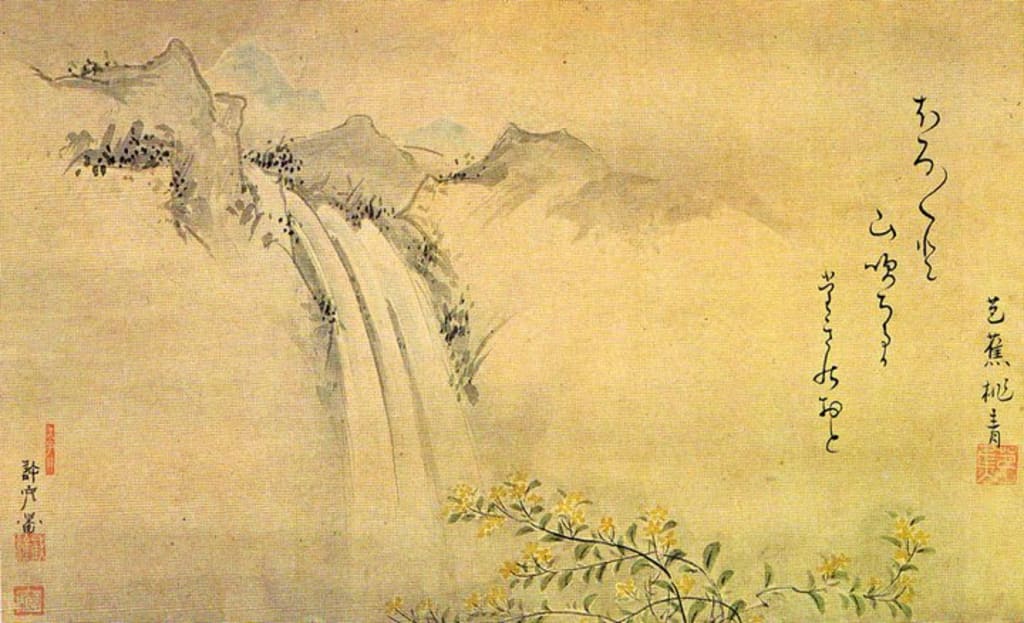
Haiku is a traditional form of Japanese poetry that follows a strict syllable pattern of 5-7-5. The poem usually focuses on nature and is meant to briefly capture a moment or scene, conveying emotions through its words. Haiku is characterized by its simplicity and serenity, allowing readers to contemplate and appreciate the beauty of the natural world. To write a Haiku, one must focus on describing a specific moment in nature and capturing the emotions it evokes. The poem should be written in three lines, with the first and third line having 5 syllables and the second line having 7 syllables. Haiku is a form of poetry that emphasizes brevity and minimalism, encouraging poets to express their thoughts and feelings through few, carefully chosen words.
In Haiku, the season or time of year is also an important aspect to consider. A reference to the season, known as "kigo," is often included in the poem. This helps to set the scene and adds a layer of meaning to the poem, connecting it to the natural world and the cycles of nature. The use of sensory language is also important in Haiku, as it helps to bring the scene to life for the reader. The poem should aim to paint a picture in the reader's mind, allowing them to experience the moment along with the poet. Haiku is not just a form of poetry, but a form of meditation and reflection. It invites the reader to slow down and appreciate the simple beauty of the world around us, promoting mindfulness and a sense of peace.
Haiku has been an important part of Japanese culture for centuries, and its influence can be seen in other forms of Japanese art and literature. The simplicity and elegance of Haiku has made it a popular form of poetry all over the world, with poets from different cultures and backgrounds adapting the form to suit their own needs and styles. Haiku has also been used as a tool for self-expression and personal growth, helping individuals to connect with their inner selves and the world around them. In modern times, Haiku has become an accessible and popular form of poetry, with many poets and enthusiasts coming together online to share their work and engage in Haiku challenges. The growth of Haiku communities has encouraged poets to experiment with different themes and styles, while still adhering to the basic structure and principles of Haiku. Overall, the formation of Haiku continues to evolve, but its core elements remain unchanged, making it a timeless and beloved form of poetry.
Haiku has a rich history, originating in Japan in the 17th century. During this time, Haiku was primarily written in the Japanese language and was used to capture the beauty and simplicity of nature. The form was developed by poets such as Basho, who is considered one of the greatest Haiku poets of all time. His work influenced other poets to adopt the form and explore its potential for expressing complex emotions through a simple and minimalistic style.
The Haiku form is unique in its strict adherence to syllable count and its focus on nature. The first line of a Haiku contains 5 syllables, the second line 7 syllables, and the third line 5 syllables. This structure provides a clear framework for poets to work within, allowing them to focus on the content and meaning of their poem. Haiku is also distinctive for its use of "kigo," or seasonal words, which help to set the scene and provide a reference to the time of year. These seasonal references are an important part of Haiku and help to connect the poem to the natural world and the cycles of nature.
Haiku is known for its ability to capture a moment in time and convey a sense of stillness and tranquility. The poems are often simple and unadorned, with the focus on the scene being described. This simplicity is what makes Haiku so powerful, as it allows the reader to contemplate the moment and appreciate its beauty. Haiku is not just a form of poetry, but a form of meditation and reflection, inviting the reader to slow down and connect with their inner selves and the world around them.
In the modern era, Haiku has become increasingly popular, with many poets and enthusiasts coming together online to share their work and engage in Haiku challenges. The growth of Haiku communities has encouraged poets to experiment with different themes and styles, while still adhering to the basic structure and principles of Haiku. This has led to the development of new forms of Haiku, such as free-form Haiku and Haiku sequences. These new forms allow poets to explore the possibilities of Haiku while still maintaining its core elements.
Haiku is not just limited to the written word, it has also been incorporated into other forms of art, such as photography and painting. The simplicity and beauty of Haiku can be captured through visual means, allowing artists to convey their emotions and perspectives in a new and exciting way. Haiku has also been used as a tool for personal growth, helping individuals to connect with their inner selves and the world around them. By engaging with Haiku, individuals can learn to appreciate the simple beauty of the world around them and develop a greater sense of mindfulness and peace.
In conclusion, the formation of Haiku continues to evolve, but its core elements remain unchanged, making it a timeless and beloved form of poetry. Haiku's strict syllable count, focus on nature, and use of seasonal words provide a clear framework for poets to work within, while its simplicity and elegance allow it to convey complex emotions through few, carefully chosen words. Haiku is a form of poetry that invites the reader to slow down and appreciate the simple beauty of the world, promoting mindfulness and a sense of peace. Whether written, photographed, or painted, Haiku will always be a timeless and beloved form of art, capturing the beauty and simplicity of the world and the emotions it evokes.
About the Creator
Creating Stability With Property During Uncertain Economic Cycles
Periods of market uncertainty can challenge even the most careful financial plans. Stock prices may swing sharply. Savings can lose value due to inflation. News headlines often create fear and hesitation. In these moments, many investors look for dependable ways to protect their wealth. Protecting investments during market uncertainty through property ownership remains a practical and proven option because property is based on real use, steady demand, and long term value.
By Accrue Real Estate4 days ago in Education
Offshore Banking Explained: What U.S. Individuals and Businesses Should Really Know
Offshore banking is one of those topics that instantly raises eyebrows. For many people in the United States, the phrase alone brings up assumptions of secrecy, tax evasion, or shady financial behavior. In reality, offshore banking is far more common—and far more legitimate—than most people realize.
By Roman Law Firm7 days ago in Education



Comments
There are no comments for this story
Be the first to respond and start the conversation.