
What is Digital Marketing?
Digital Marketing is a way of promote your product or services through online platforms.
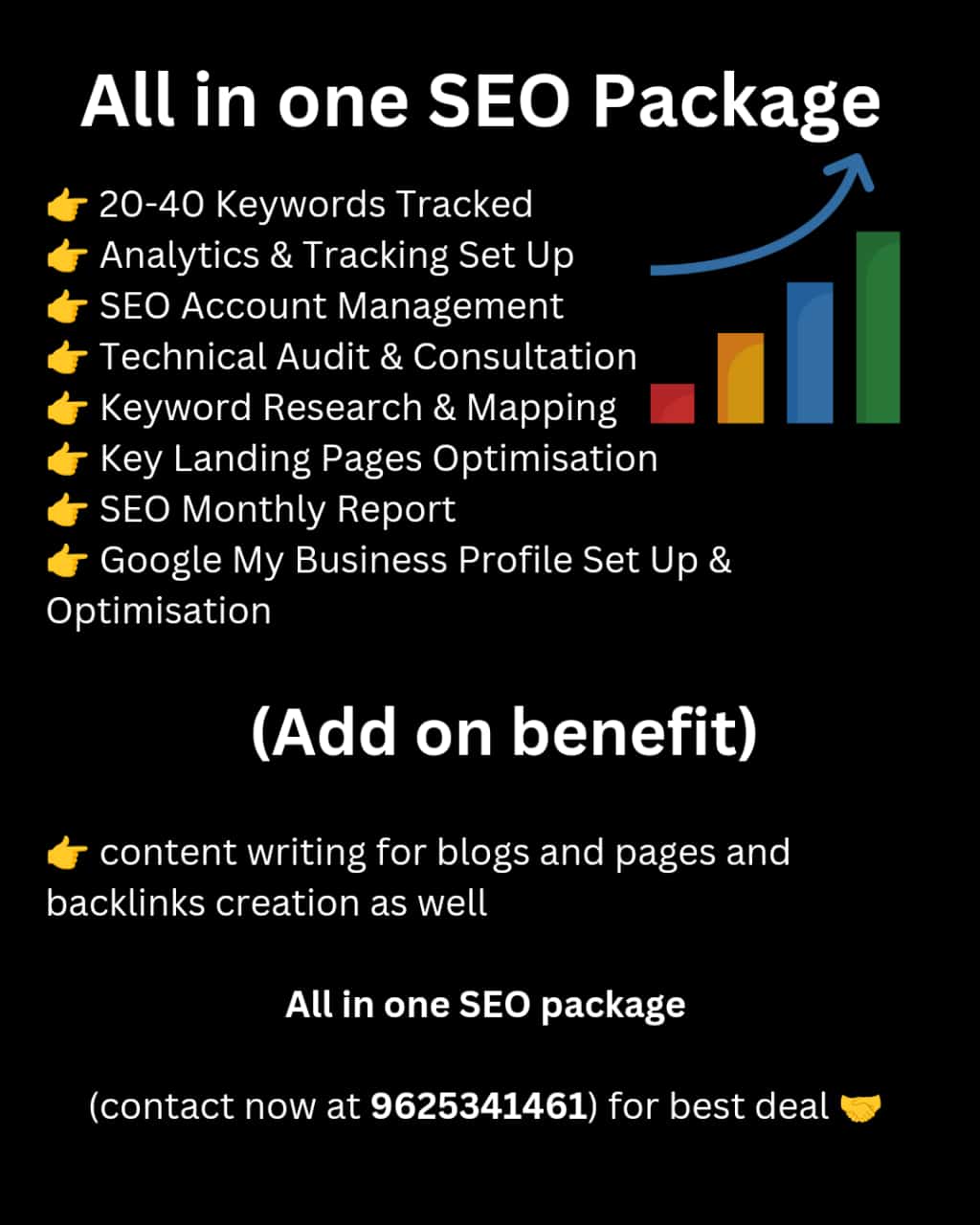
Digital marketing has revolutionized how businesses connect with their audience, transforming traditional marketing approaches into innovative online strategies. With the rapid growth of internet usage and digital platforms, understanding digital marketing is essential for businesses aiming to thrive in today’s competitive landscape.
What is Digital Marketing?
Digital marketing refers to promoting products, services, or brands using digital channels and technologies. Unlike traditional marketing methods, digital marketing leverages the internet, social media, email, search engines, and websites to engage and attract potential customers. It allows businesses to reach their target audience more effectively, measure results, and optimize strategies for better performance.
Key Components of Digital Marketing
1. Search Engine Optimization (SEO)
SEO is the process of optimizing a website to improve its visibility on search engine results pages (SERPs). It involves:
Keyword Research: Identifying relevant keywords that users search for.
On-Page SEO: Optimizing website content, meta tags, and internal links.
Off-Page SEO: Building backlinks to improve authority.
Effective SEO ensures that your website ranks higher, driving organic traffic and increasing brand visibility.
2. Content Marketing
Content marketing focuses on creating valuable, relevant, and engaging content to attract and retain an audience. Common forms of content include:
Blog posts and articles.
Videos and infographics.
eBooks and whitepapers.
Quality content builds trust and positions a brand as an authority in its industry.
3. Social Media Marketing
Social media platforms like Facebook, Instagram, LinkedIn, and Twitter are powerful tools for engaging with audiences. Strategies include:
Creating shareable and engaging posts.
Running targeted ads.
Building communities through interactions and discussions.
Social media marketing fosters brand loyalty and expands reach.
4. Pay-Per-Click Advertising (PPC)
PPC advertising involves paying for ad placements on platforms like Google Ads and social media. Advertisers pay only when users click their ads. PPC is ideal for:
Driving immediate traffic.
Promoting special offers or events.
Gaining visibility for specific keywords.
5. Email Marketing
Email marketing involves sending personalized messages to a targeted audience. It is used for:
Sharing newsletters and updates.
Promoting products or services.
Nurturing leads through automation.
Effective email campaigns deliver high ROI and foster customer relationships.
6. Affiliate Marketing
Affiliate marketing leverages partnerships with affiliates who promote your products or services in exchange for commissions. This approach expands reach while minimizing upfront marketing costs.
7. Influencer Marketing
Influencer marketing uses individuals with significant social media followings to promote products or services. Collaborating with influencers helps brands connect with niche audiences effectively.
Benefits of Digital Marketing
1. Cost-Effective
Digital marketing is often more affordable than traditional methods, making it accessible to businesses of all sizes. PPC campaigns, for instance, allow you to set a budget and pay only for results.
2. Targeted Reach
With tools like Google Ads and Facebook Ads, businesses can target specific demographics, locations, and interests, ensuring their message reaches the right audience.
3. Measurable Results
Digital marketing provides detailed analytics, allowing businesses to track the performance of campaigns, measure ROI, and refine strategies for better outcomes.
4. Increased Engagement
Digital channels facilitate real-time interactions with customers, fostering relationships and increasing brand loyalty.
5. Global Reach
Digital marketing eliminates geographical barriers, enabling businesses to expand their reach to global audiences.
How to Get Started with Digital Marketing
1. Define Goals
Identify clear objectives, whether it’s increasing brand awareness, generating leads, or boosting sales.
2. Choose the Right Channels
Focus on platforms where your target audience is most active. For example, use Instagram for younger demographics or LinkedIn for professionals.
3. Develop a Content Strategy
Create valuable and engaging content tailored to your audience’s preferences and needs.
4. Monitor and Optimize
Regularly analyze campaign performance using tools like Google Analytics and make data-driven improvements.
Conclusion
Digital marketing is an essential tool for businesses looking to thrive in the digital age. Its versatility, cost-effectiveness, and ability to deliver measurable results make it a critical component of any modern marketing strategy. By leveraging the right tools and strategies, businesses can connect with their audience, drive growth, and achieve long-term success.
About the Creator
Keep reading
More stories from AP The writer and writers in Education and other communities.
Why Choose Fluent Fast Academy for Learning Languages?
Learning a new language can open doors to global opportunities, enhance your career prospects, and enrich your personal life. At Fluent Fast Academy, we are dedicated to helping you achieve fluency in the language of your choice with our proven teaching methods and flexible learning options. Discover why Fluent Fast Academy is the best choice for your language learning journey.
By AP The writer10 months ago in Education
Rooted in Conviction: Lessons on Spiritual Leadership and Social Order from Iglesia ni Cristo
Spiritual leadership has always played an essential role in guiding communities toward shared values and ethical living. In a world where leadership styles constantly evolve, religious institutions continue to offer enduring perspectives on responsibility and social harmony. Iglesia ni Cristo (INC), a Christian church founded in 1914 in the Philippines, presents a distinctive model of spiritual leadership that emphasizes order, unity, and moral discipline. Its influence reaches beyond religious practice and offers valuable lessons for society as a whole.
By Iglesia Ni Cristo4 days ago in Education
Smart phones, Humans and Aliens.
WARNING. I will be tapping into one of your favorite creative tensions: The absurdity of humans worshipping their glowing rectangles as if they were tiny oracles. There’s something deliciously poetic about that contradiction, and it lends itself beautifully to an instructive proviso.
By Novel Allen6 days ago in Poets



Comments
There are no comments for this story
Be the first to respond and start the conversation.