
What Is BPO? Everything You Need to Know in Simple Terms
What Is BPO
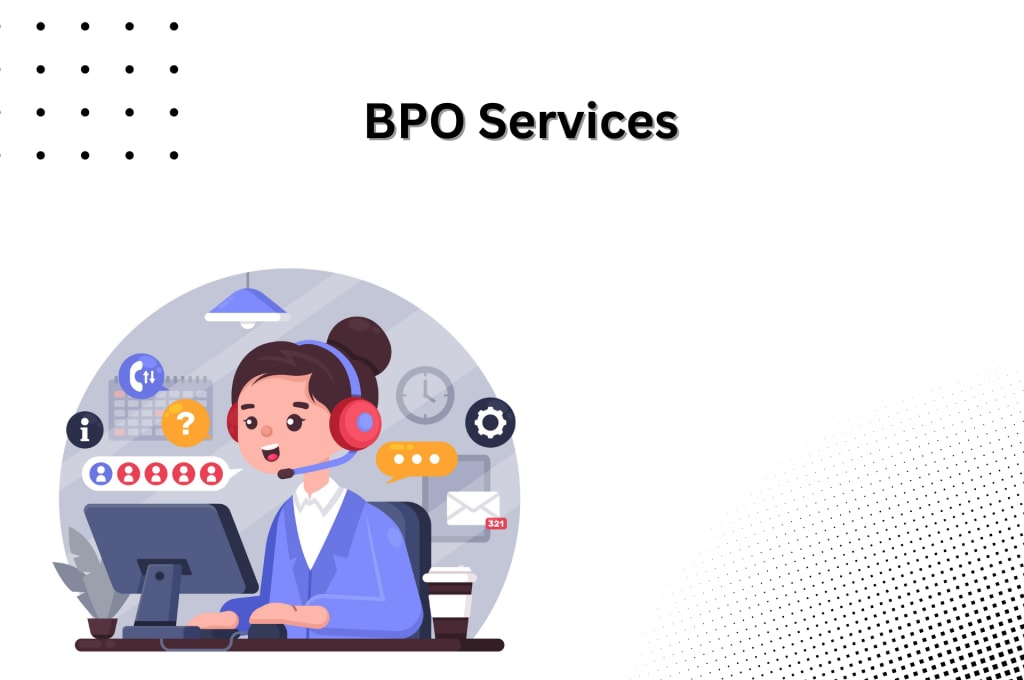
Every business strives to find the best means of becoming more productive and inexpensive, in support of their core operations. One of the most commonly used solutions among businesses to achieve this is BPO-or Business Process Outsourcing. So what is this term BPO all about and how can help your business? Let's break it down simply.
What is BPO?
BPO is an abbreviation for Business Process Outsourcing. It refers to when an organization hires an outside service provider to perform particular tasks or business functions that it would otherwise carry out but outsources them in the interest of cost savings or greater efficiency. This may include everything from customer support and technical support functions to HR services, accounting services, marketing, and much more.
Instead of managing all of these activities internally, businesses choose to “outsource” them to a BPO provider, often based in another country, to reduce overhead costs or get access to specialized expertise.
Types of BPO Services
BPO services can be divided into three main categories:
1. Front Office BPO: This includes customer-facing services like:
Customer support (help desks, call centers)
Telemarketing
Sales support
2. Back Office BPO: These are internal, behind-the-scenes tasks that help a business run smoothly, such as:
Data entry
Accounting and payroll
HR management (recruitment, employee benefits management)
3. Knowledge Process Outsourcing (KPO): This is a more specialized form of outsourcing that involves higher-level tasks such as:
Market research
Legal services
Financial services

Why Do Companies Use BPO Services?
There are several key reasons why businesses choose to outsource some of their processes:
1. Cost Savings: The most important benefit of BPO is cost saving. Companies can save a lot of money in terms of wage and office space and equipment from regions where labor costs are lower by outsourcing here.
2. Focus on Core Activities: Companies outsource that activities are not core to what they do. That is where they excel in doing just that. In a tech company, it will be product development and innovation that takes the center of focus, and then an application for customer support comes from a BPO provider.
3. Access to Expertise: BPO providers specialize in the tasks they manage, which typically means that they are usually better experienced and advanced in technology to offer more superior results. For instance, an experienced BPO provider in finance would probably be able to deal with accounting work much more efficiently than a company focused on its main product or service.
4. Scalability: BPO services enable businesses to grow or down-size quickly without the discomfort of hiring or lying off employees, which is always the case when companies have fluctuating demand or experience peak work during specific seasons.
5. Improved Efficiency: Outsourcing gives companies the possibility to take advantage of its expertise and resources of a specialized supplier which means quicker cycles and more efficient processes.
Examples of BPO Services
To make it clearer, let’s look at some specific examples of BPO services:
• Customer Service: Instead of keeping a full time in house team for customer queries, complaints, technical support a company may hire a call center.
• Accounting: In this case, if you own a small business, you can also outsource all this to a third party that has proficiency in bookkeeping, invoicing, working on taxes and other financial reporting.
• IT Services: There are some companies that can decide to outsource IT services like network management, software development, and cybersecurity which these companies know these companies have the required technical skills who can do it better.
• Human Resources: But many businesses outsource BPO services such as recruitment, on boarding new employees, taking up payroll, all till implementing and managing benefits.

Benefits of BPO
1. Cost Efficiency: Outsourcing can help the business to save on wages, training and technology. But it lets them be more focused on growth and innovation.
2. Faster Turnaround: BPO providers happen across working hours in different time zones to be able to provide businesses with quicker response and faster service.
3. Better Customer Experience: Outsourcing customer service or support to the right trained teams can give your customers a better and more professional experience.
4. Risk Mitigation: By outsourcing some of your business functions you can spread risk. Suppose you outsource your HR or legal services — it guarantees that your company conforms to local laws and regulations, thus reducing the risk for mistakes.
Challenges of BPO
While BPO offers many benefits, there are a few challenges to keep in mind:
• Quality Control: When you’re outsourcing some tasks to another company, it becomes hard to watch over and guarantee the equal level of quality that your in-house team provides.
• Communication Issues: Miscommunications can sometimes take place if your BPO provider is in a different time zone, different language or what have you.
• Security Concerns: The risk of exposing sensitive information or sensitive business data to a third party can be a security risk and particularly if the provider doesn’t have good data protection policies.
Conclusion
What this means is that for businesses looking to cut their costs and not lose efficiency, BPO services may be that difference. Whether customer support, accounting, or IT services, outsourcing unlocks precious resources for businesses while giving access to expert help. The hitch, of course, lies in choosing the right BPO provider and drawing clear expectations.
Before we make a decision to go for BPO for your business, do thorough research, analyze the Pros and Cons, and choose a partner that is consistent with your goals.
About the Creator
The Growth Trap: How Self-Improvement Can Derail Your Success
The growth mindset has become a symbol of ambition and resilience. It promotes the belief that anyone can improve their skills and intelligence through effort, learning, and perseverance. While this concept has inspired many to push past their limits and embrace challenges, it also has a lesser-known side. When taken too far or misunderstood, the pursuit of self-improvement can actually backfire. What begins as a healthy desire to grow can spiral into stress, burnout, and self-doubt, quietly sabotaging the very success it aims to create.
By Jeb Kratzig5 days ago in Education
Wesley Farnsworth: On Authentic Christian Community with Evidence, Human Rights, and Critical Thinking
Wesley Farnsworth is an author, speaker, and communications professional whose work centers on faith, transformation, and the formation of authentic Christian community. With more than 16 years of experience in visual storytelling, branding, and digital communication—including service in military public affairs—he helps individuals, churches, and nonprofits communicate with clarity, integrity, and purpose.
By Scott Douglas Jacobsen5 days ago in Education


Comments
There are no comments for this story
Be the first to respond and start the conversation.