
What is autism spectrum disorder: causes, symptoms, and treatment
Understanding Autism Spectrum Disorder: Key Causes, Common Symptoms, and Effective Treatment Options
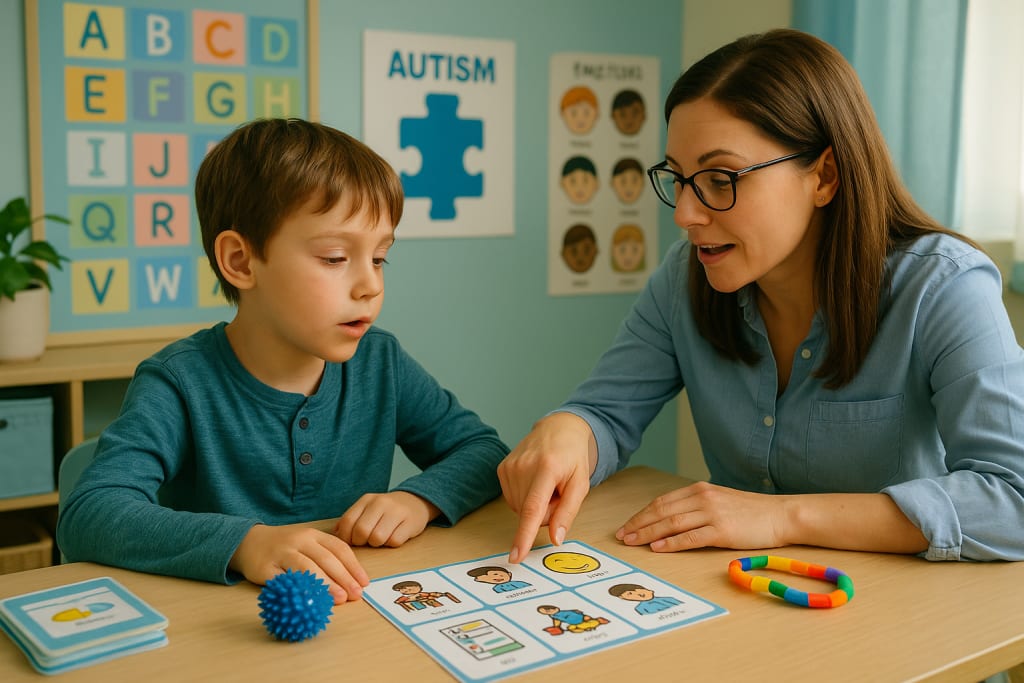
Autism matters more than ever in today’s world because awareness, diagnosis, treatment, and support methods are continuously changing.
If you understand this condition, especially during early childhood, you can make a huge difference in the development of this disorder in your child. Recognizing signs of autism in 3-4-year-old children is critical for early intervention of treatment that can help your children to do better.
This article will explore what autism is, why early diagnosis matters, how it develops in young children, and where to find expert care.
What is Autism?
Autism Spectrum disorder (ASD) is a neurodevelopmental condition in which patients face issues in social interaction, communication, and overall behavior. It is called “spectrum” because its effects and symptoms vary from one person to another.
For example, some children may speak fluently but face issues in social engagement, while others may have limited speaking ability but require support.
Key characteristics of autism include:
Difficulty with social communication and interactions
Repetitive behaviors or restricted interests
Sensory sensitivities (e.g., to light, sound, textures)
Preference for routine and resistance to change
According to the Mir Neurology clinic, autism typically appears in early childhood and lasts throughout life. However, symptoms and conditions may improve over time through treatment and therapy.
What Causes Autism
Accurate reasons for autism are still unknown, but experts believe that certain factors like genetic issues and parental background become its main reason. It is also concluded that there is no single reason but multiple factors that influence brain functions.
Factors that may increase the likelihood of autism include:
Parental age: having a child after the age of 35.
Short gap between pregnancies: giving birth again within a year.
Pregnancy complications: Bleeding during pregnancy and gestational diabetes.
Medication use during pregnancy: For example, the use of certain anti-seizure medications such as valproate.
Fetal growth issues: slow growth of baby in the womb.
Oxygen deprivation: Limited oxygen supply to baby during pregnancy or delivery.
Premature birth: Delivering a baby before full term.
These conditions affect the process of brain development in your child, which leads to neurological differences (autism). Many children are exposed to one or more of these risks.
Recognizing the Signs of Autism in 4 Year Old Children
Age 4 is very crucial in the growth period of children. They start showing communication and social skills on a very small scale. However, if you see any delay, it may be time to observe closely because autism can be one of the reasons.
If you identify it early, there are better chances of long-term positive outcomes for your child.
Is Autism Genetic or Inherited?
Autism can be caused by both inherited and genetic factors. But it varies from one child to another. Many children do not show any genetic complexity, while others may have some.
However, it is necessary to understand that there are multiple factors that can cause autism disorder. So you can shift focus from “causes” to “treatment” and support your children.
Common signs of autism in 4-year-old children include:
Here are some key signals that you should focus on in your child.
Speech delay: The child repeats the same words and struggles to complete sentences.
No social engagement: avoids eye contact, doesn’t play with fellows, and shows little interest in surroundings.
Difficulty understanding emotions: does not respond to emotions and feelings of others.
Repetitive behaviors: Hand-flapping, rocking, lining up toys, or repeating the same phrases.
Sensitivity to stimuli: Strong reactions to lights, sounds, textures, or tastes.
Unusual play habits: child prefers loneliness and uses toys in unconventional ways.
Rigid routines: Sticks to routine only and gets upset over changes.
Not every child will exhibit these signs, but if multiple factors are shown consistently, then parents should consider consulting with expert medical professionals.
Importance of Early Intervention
Early diagnosis, therapy, and treatment can massively improve a child's social, communication, and cognitive skills. So, if you suspect autism, a comprehensive check-up from a specialist should be your very next step.
Supporting a Child with Autism
Once a child is diagnosed, developing a care plan tailored to their needs is crucial. Support may involve:
Individualized Education Programs (IEPs) in School Settings
Therapeutic services provided in-home or in clinics
Community support groups for parents and caregivers
Routine monitoring by healthcare providers
Family involvement is key. When parents and caregivers are informed, empowered, and supported, children with autism are more likely to reach their full potential.
What Mir Neurology suggests
We suggest that you should seek professionals who not only understand autism as a disease but are also aware of its complexity.
If you’re looking for the best autism doctor in Hagerstown, MD, consider seeking specialists with experience in developmental pediatrics or pediatric neurology. Look for clinics that offer diagnostic assessments, therapy coordination, and parent training.
For families closer to Allegany County, finding the best autism doctor in Cumberland, MD can be a quicker and comfortable option. Top providers in the area often collaborate with speech therapists, behavioral experts, and educators to build a comprehensive care network for each child.
Conclusion
Early diagnosis, treatment, and therapy for autism are necessary for better outcomes. With the right guidance, children can develop crucial communication skills, leading to a better quality of life.
At Mir Neurology, we’ve been proudly serving families in Maryland for over 10 years with a sympathetic approach to children affected with autism disorder. We give compassionate care tailored to the unique autistic needs of your child. Whether you're searching for the best autism doctor in Hagerstown or Cumberland MD, our team is here to help you navigate every step of the journey, from diagnosis to ongoing support.
FAQs About Autism in Children
1. What are the early signs of autism in a 4-year-old?
Common signs include delayed speech, limited eye contact, repetitive behaviors, difficulty understanding emotions, strong reactions to sensory input, and rigid routines.
2. Is autism genetic or inherited?
Autism can be influenced by both genetic and inherited factors, but not all children with autism have identifiable genetic conditions. Multiple factors often contribute.
3. Why is early intervention important for autism?
Early intervention helps children improve communication, learning, and social skills. Starting therapies such as speech or behavioral therapy at a young age leads to better long-term outcomes.
4. How can parents support a child with autism?
Parents can support their child by engaging in therapies, creating structured routines, working with schools on IEPs, and joining support groups for guidance and encouragement.
5. Where can I find autism specialists in Hagerstown and Cumberland, MD?
At Mir Neurology, our specialists provide diagnostic testing, treatment coordination, and comprehensive autism care in both Hagerstown and Cumberland, MD.
About the Creator
Mir Neurology
Expert neurology care in Hagerstown & Cumberland. Specialized treatment for brain, nerve & movement disorders at Mir Neurology.
Keep reading
More stories from Mir Neurology and writers in Education and other communities.
Different Kinds of Autism Spectrum Disorder
Autism Spectrum Disorder (ASD) is a complex neurodevelopmental condition that affects communication, behavior, and social interactions. The term "spectrum" refers to the wide range of symptoms and severity levels seen among individuals with autism. While the diagnostic criteria for ASD have evolved over the years, different classifications of autism help families and healthcare providers better understand and address each individual’s unique needs. In this blog, we’ll explore the different kinds of Autism Spectrum Disorder and their distinct characteristics.
By Mir Neurologyabout a year ago in Education
The Digital Nomad Blueprint
In a not-so-distant future, where technology thrived and the world became increasingly connected, many people chose to break free from traditional lifestyles. Among them was a young woman named Mia. Mia was a digital nomad, traveling the globe with her laptop, working remotely while exploring new cultures. Her heart was set on living life to the fullest, but she was also searching for something greater—a sense of purpose.
By Hamad Afridi 5 days ago in Education



Comments
There are no comments for this story
Be the first to respond and start the conversation.