
What Industries or Types of Businesses Can Benefit the Most from Virtual CIO Services?
here's a brief explanation on the topic mentioned above.
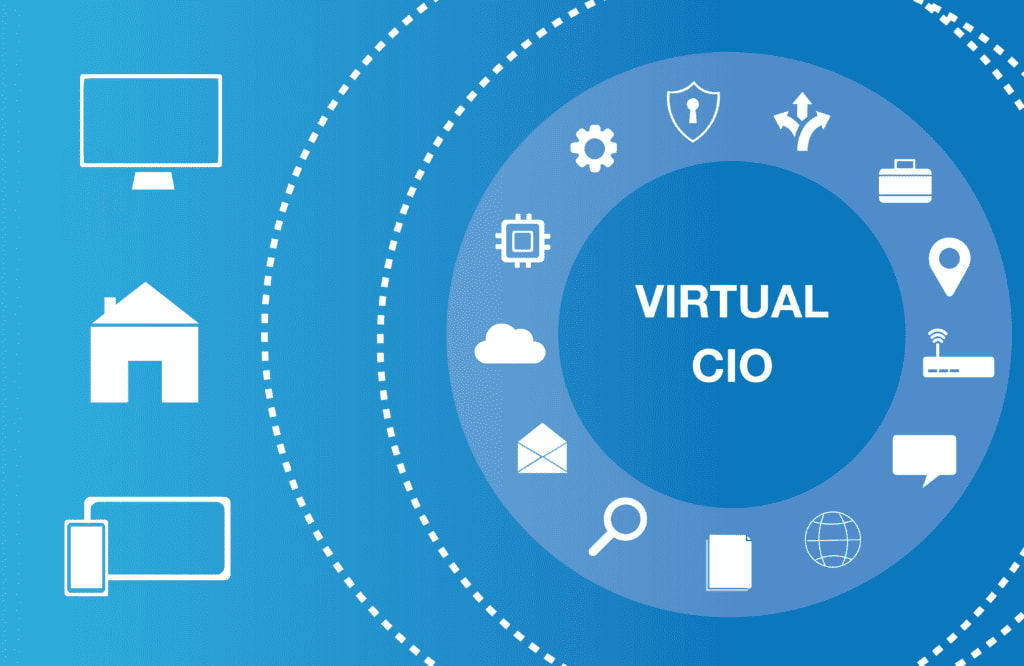
Introduction
As technology continues to evolve, businesses must stay ahead of cybersecurity risks, digital transformation, and IT infrastructure demands.
A Virtual Chief Information Officer (vCIO) provides expert IT leadership without the cost of a full-time executive.
This article explores the industries and businesses that can benefit the most from vCIO services.
What is a Virtual CIO?
A vCIO is an outsourced IT executive who provides strategic technology guidance and management.
They help businesses align technology with business goals, improve cybersecurity, and optimize IT investments.
vCIO services include IT budgeting, risk assessment, vendor management, and digital transformation strategies.
Industries and Businesses That Benefit from vCIO Services
1. Small and Medium-Sized Businesses (SMBs)
SMBs often lack the budget for a full-time CIO but require expert IT guidance.
A vCIO helps streamline operations, improve security, and implement cost-effective technology solutions.
Benefits include reduced IT costs, improved efficiency, and future-proofing business growth.
2. Healthcare and Medical Organizations
Compliance with regulations such as HIPAA and GDPR is critical for healthcare providers.
A vCIO ensures data security, EHR (Electronic Health Record) optimization, and risk management.
Telemedicine, patient data protection, and interoperability of healthcare systems are enhanced.
3. Financial Services and Banking
Financial institutions handle sensitive data and require robust cybersecurity measures.
A vCIO assists with regulatory compliance, fraud prevention, and secure digital banking services.
IT strategy development for fintech adoption and cloud security is a key advantage.
4. Legal Firms and Law Practices
Legal firms manage confidential client information that must be secured against cyber threats.
A vCIO helps implement secure document management systems, compliance frameworks, and IT governance.
Solutions like encrypted communications and case management software are optimized.
5. Manufacturing and Supply Chain Businesses
Digital transformation in manufacturing requires efficient IT infrastructure and cybersecurity.
A vCIO assists with Industry 4.0 technologies, IoT security, and supply chain automation.
ERP system implementation and risk mitigation strategies improve operations.
6. Education and E-Learning Institutions
Schools, universities, and online learning platforms require secure and scalable IT solutions.
A vCIO helps with cloud-based learning platforms, cybersecurity policies, and data privacy.
Ensuring compliance with education regulations and digital accessibility is a priority.
7. Retail and E-Commerce Businesses
Online and brick-and-mortar retailers rely on technology for sales, inventory, and customer experience.
A vCIO helps optimize e-commerce platforms, enhance cybersecurity, and integrate payment security solutions.
Digital marketing analytics and CRM system management are also improved.
8. Non-Profit Organizations
Many non-profits operate on limited budgets but require secure IT infrastructure.
A vCIO ensures cost-effective cloud solutions, donor data protection, and cybersecurity awareness.
Grants and funding applications are supported with data-driven insights.
9. Real Estate and Property Management
Real estate firms need secure data management for client transactions and property records.
A vCIO assists with CRM implementation, cloud storage solutions, and cybersecurity measures.
Digital transformation strategies improve customer engagement and automation.
10. Startups and Tech Companies
Startups require scalable IT strategies for growth, cloud adoption, and cybersecurity planning.
A vCIO helps with technology roadmaps, vendor selection, and risk management.
Ensuring compliance with industry regulations from the beginning is a key benefit.
Key Benefits of vCIO Services Across Industries
Cost Savings: Provides expert IT leadership at a fraction of the cost of a full-time CIO.
Strategic IT Planning: Aligns technology investments with long-term business goals.
Cybersecurity Enhancement: Strengthens data protection and compliance with regulations.
Vendor Management: Ensures cost-effective and reliable IT partnerships.
Scalability: Helps businesses adopt new technologies and scale IT infrastructure as needed.
Disaster Recovery Planning: Prepares businesses for data breaches, cyberattacks, and system failures.
Conclusion
Virtual CIO services offer invaluable IT expertise to businesses across various industries.
From SMBs to large enterprises, a vCIO helps improve security, optimize operations, and drive digital transformation.
Companies looking to stay competitive should consider leveraging vCIO services for cost-effective and strategic IT leadership.
About the Creator
Keep reading
More stories from hamam riaz and writers in Education and other communities.
What are Cloud Services and Its Types?
Introduction Cloud services have transformed the way businesses and individuals access and manage computing resources. They provide on-demand access to computing power, storage, and applications over the internet without the need for on-premise infrastructure.
By hamam riaz12 months ago in Education
Financial Intelligence: The Secret Weapon Behind Exceptional Hospitality Performance
Hospitality is no longer driven by service alone—it’s shaped by smart decisions, strong planning, and real-time awareness of costs and performance. Financial intelligence is now a key advantage that helps hotels, resorts, and restaurants maintain quality while staying profitable in a competitive market. With rising guest expectations and shifting demand patterns, leaders must balance excellence with efficiency every day.
By Asad Malik7 days ago in Education
The Balanced Parent: Embracing Parenthood Without Losing Yourself
In today’s fast-paced society, the demands on parents have never been higher. From managing work deadlines to preparing meals and helping with homework, the modern parent juggles countless responsibilities daily. Amid all this, it’s easy to feel overwhelmed. Yet, being a hands-on parent is one of life’s most rewarding roles when approached with intention and heart.
By Alfonso Kennard5 days ago in Education



Comments
There are no comments for this story
Be the first to respond and start the conversation.