
what happens around the world about climatic change
climate condition
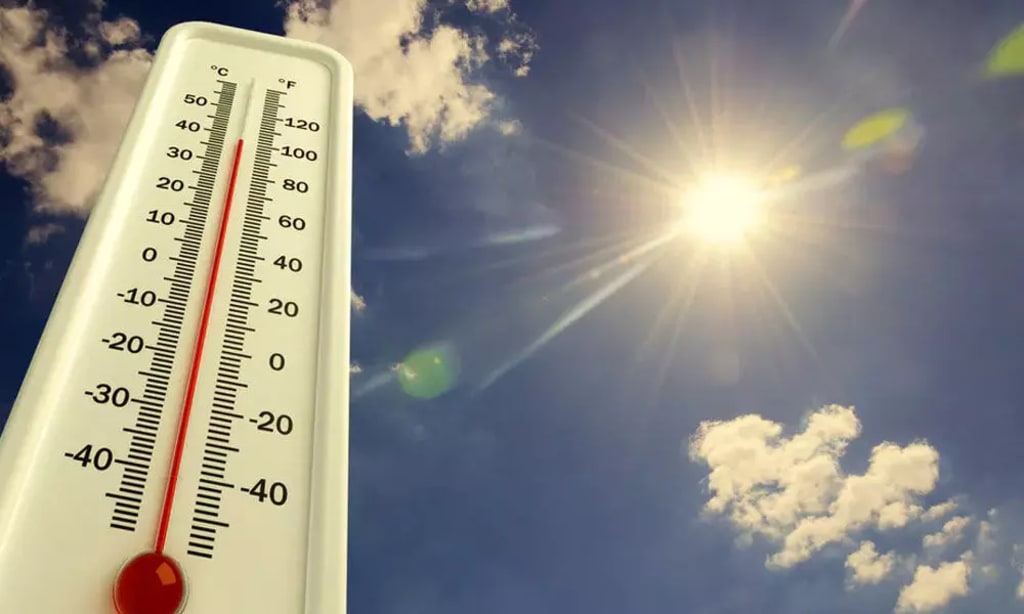
Climate change refers to long-term shifts in temperature and weather patterns across the Earth, primarily caused by human activities, particularly the emission of greenhouse gases (such as carbon dioxide) into the atmosphere. These emissions result from burning fossil fuels, deforestation, industrial processes, and various other human activities.
The impacts of climate change can be observed worldwide and manifest in different ways. Here are some notable examples:
Rising temperatures: Global average temperatures have been increasing over the past century. This warming trend contributes to more frequent and intense heatwaves, as well as changes in precipitation patterns.
Extreme weather events: Climate change has been linked to an increase in extreme weather events, including hurricanes, cyclones, droughts, floods, and wildfires. These events can cause significant damage to ecosystems, infrastructure, and human lives.
Melting ice and rising sea levels: The warming climate has led to the melting of glaciers and ice caps in polar regions, contributing to rising sea levels. This poses risks to coastal communities, increases the likelihood of flooding during storms, and threatens the existence of low-lying islands and vulnerable ecosystems.
Ocean acidification: Increased carbon dioxide absorption by the oceans leads to ocean acidification. This change in pH levels can harm marine life, including coral reefs and shellfish, impacting the entire oceanic food chain.
Biodiversity loss: Climate change affects ecosystems and species distribution. Some species may struggle to adapt or migrate quickly enough to survive changing conditions, which can result in population declines and even extinctions.
Agricultural challenges: Changing climatic conditions affect agricultural productivity and food security. Shifts in rainfall patterns, more frequent droughts or floods, and the spread of pests and diseases can harm crops and livestock, potentially leading to increased food prices and shortages.
These are just a few examples of the broad impact climate change can have around the world. It is important for countries and individuals to work together to reduce greenhouse gas emissions, adapt to changing conditions, and mitigate the effects of climate change to ensure a sustainable future.
Human activities have had a significant impact on climate change. The primary driver of climate change is the increase in greenhouse gas (GHG) emissions, particularly carbon dioxide (CO2), methane (CH4), and nitrous oxide (N2O), resulting from human activities. Here are some key ways in which human actions contribute to climate change:
Burning fossil fuels: The burning of fossil fuels like coal, oil, and natural gas for energy production, transportation, and industrial processes releases large amounts of CO2 into the atmosphere. This is the most significant contributor to GHG emissions.
Deforestation and land-use changes: Clearing forests for agriculture, logging, and urbanization reduces the Earth's capacity to absorb CO2 through photosynthesis. Deforestation also releases stored carbon into the atmosphere. Additionally, land-use changes can contribute to the release of other GHGs, such as CH4 from rice cultivation and livestock production.
Industrial processes: Certain industrial activities, such as cement production, steel manufacturing, and chemical production, emit CO2 as a byproduct. Other GHGs, such as hydrofluorocarbons (HFCs) used in refrigeration and air conditioning, also contribute to global warming.
Agriculture and livestock: Agricultural practices, including rice cultivation, livestock farming, and the use of synthetic fertilizers, release significant amounts of CH4 and N2O. Livestock, particularly cattle, produce methane during digestion and through manure.
Waste management: Improper waste disposal, particularly in landfills, can lead to the release of methane as organic waste decomposes. Methane is a potent GHG with a higher warming potential than CO2.
The accumulation of these greenhouse gases in the atmosphere traps heat, leading to the greenhouse effect and global warming. The consequences of climate change, as mentioned earlier, include rising temperatures, extreme weather events, sea-level rise, biodiversity loss, and disruptions to ecosystems and human societies.
Addressing the human impact on climate change requires a collective effort to reduce greenhouse gas emissions and transition to cleaner and more sustainable practices. This involves adopting renewable energy sources, improving energy efficiency, promoting sustainable land management, conserving forests, adopting climate-smart agricultural practices, and promoting circular economy principles to minimize waste. International cooperation, policy frameworks, and individual actions are all crucial in mitigating climate change and building a more sustainable future.
About the Creator
Keep reading
More stories from writers in Education and other communities.
Is Gravity a Force or an Illusion?
Gravity in Everyday Experience In daily life, gravity feels unquestionably real. When you drop an object, it accelerates downward. When you jump, gravity pulls you back to Earth. These experiences suggest a force acting continuously on matter.
By shahkar jalalabout 2 hours ago in Education



Comments
There are no comments for this story
Be the first to respond and start the conversation.