
What Exactly Is A Black Box? The Only Way to Explain Plane Crashes
Planes exist in a variety of shapes, sizes, and roles, ranging from fighter jets to single-engine propeller planes, but they always have one thing in common: a black box.

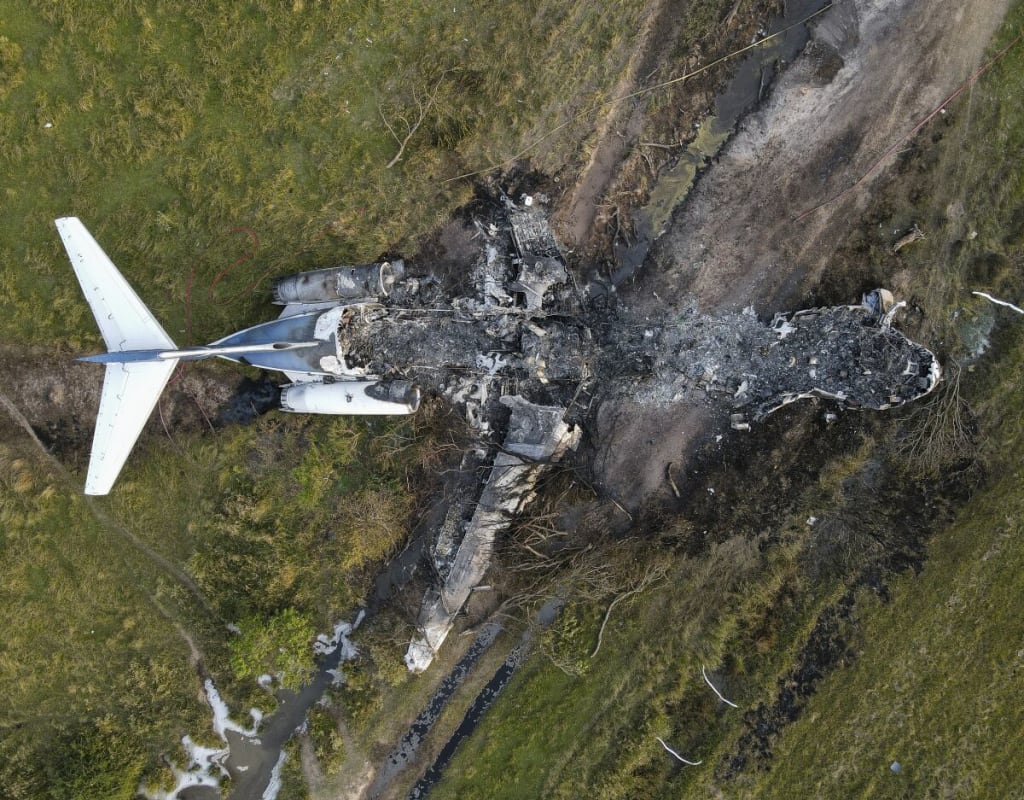
A flight data recorder, often known as a black box, is now required in all airplanes and appears modest, yet it is the most significant instrument in comprehending previous occurrences, monitoring flights, and upgrading aircraft for the future.
What is a black box?
A key tool used in aviation, sometimes referred to as a flight data recorder (FDR) or cockpit voice recorder (CVR), an aircraft black box records important information and sound throughout flights. Contrary to its moniker, it is actually bright orange to help it recover after an accident and is not completely black. This tool is crucial to the investigation of aviation accidents because it sheds light on the events that took place during the flight prior to the disaster.
The FDR and the CVR are the two independent parts of the black box. A wide range of flight parameters, including as altitude, airspeed, heading, vertical acceleration, control inputs, engine performance, and countless other aircraft system data are principally recorded by the FDR. This data is gathered via a variety of sensors and instruments spread throughout the aircraft, which feeds into the information contained in the safe black box. The CVR records all sounds and discussions in the cockpit, including exchanges between the pilot and crew, radio transmissions, alerts, and other pertinent audio. It also keeps information from the people within.
Black boxes save the final 25 hours of flight data and the final two hours of cockpit audio before a crash. Everything about a black box is made to ensure that this tiny orange box will be the only thing to survive if the worst should occur. It has the best chance of surviving because it is stored in the tail.
To withstand intense heat, pressure, and crash impacts, the box itself is made of stainless steel or titanium and coated with a heat-resistant material. The solid-state memory used to store the black box's data is made to survive harsh conditions like fire and submersion in water. This durability is essential since it enables the equipment to withstand severe mishaps and facilitates the subsequent inquiry.
Why do we use a black box?
The black box starts sending out signals when a plane crashes into the water and can do so for up to 90 days, allowing authorities to find it and figure out what happened.
Investigators use the black box data to reconstruct the series of events that led up to an incident, identify any causes or contributing factors, and provide safety recommendations to avoid reoccurring incidents in the future.
The information obtained from black boxes is essential for enhancing aviation safety. They can also assist in finding accident sites or lost wrecks, as well as any potential survivors, or they can aid in determining whether a collision was caused by human error or mechanical failure.
With that said, not all crashes provide usable black box data. Despite their extraordinary toughness, they are not indestructible, and numerous strikes cause them to be destroyed. For instance, no black boxes were discovered from either jet that crashed into the Twin Towers. They may not be useful in some situations even if they are retrieved since the data inside may be illegible or hard to decode.
But given that they haven't changed much in nearly 70 years, black boxes have undoubtedly saved many lives since they became required in 1958. If you are interested, you probably won't be able to find much because the data is very infrequently made available to the public, but that is probably for the best.
About the Creator
Najmoos Sakib
Welcome to my writing sanctuary
I'm an article writer who enjoys telling compelling stories, sharing knowledge, and starting significant dialogues. Join me as we dig into the enormous reaches of human experience and the artistry of words.
Keep reading
More stories from Najmoos Sakib and writers in Education and other communities.
Using remarkable precision, AI reconstructs cinematic videos from brainwaves
The researchers collected data from volunteers who had watched movies of various inputs, including animals, humans, and natural surroundings, while undergoing brain scans to publish their findings, which have not yet been peer-reviewed.
By Najmoos Sakib3 years ago in Education




Comments
There are no comments for this story
Be the first to respond and start the conversation.