
What Does SEO Stand For? A 5-Step SEO Plan for Beginners
What Does SEO Mean (Plus An Essential SEO Plan for Beginners)
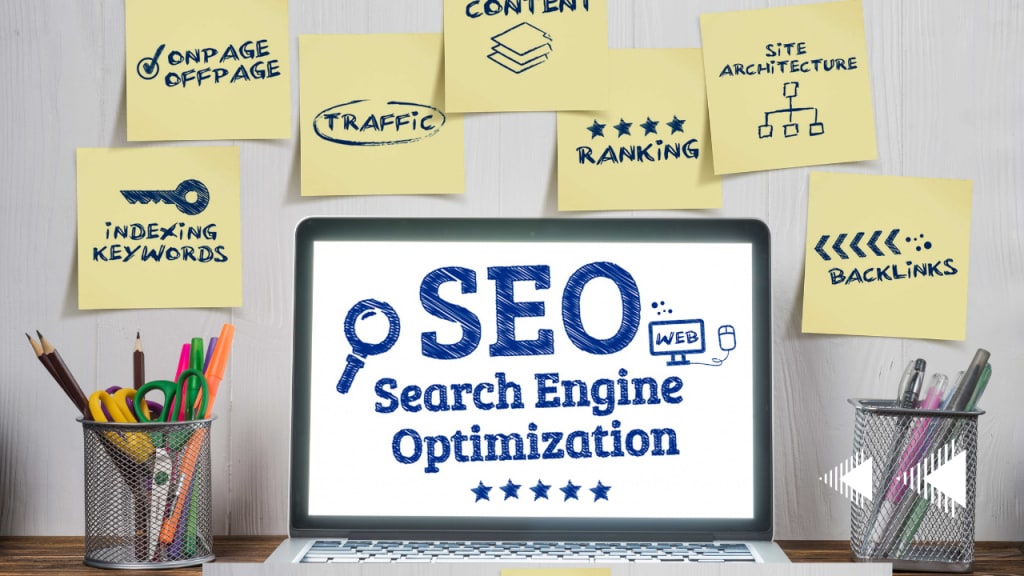
What does SEO stand for?
SEO stands for Search Engine Optimization. It is the process of optimizing a website or web page to rank higher in search engine results pages (SERPs) and attract more organic traffic. SEO involves a number of techniques and strategies that are used to improve a website's visibility and ranking in search results, such as researching and selecting relevant keywords, optimizing website content, building links, and measuring and analyzing results. The goal of SEO is to improve the visibility and ranking of a website or web page in search results so that it is more likely to be found and clicked on by users searching for information related to the website's content.
How does SEO work?
It is the process of improving the visibility and ranking of a website or web page on search engines like Google, Bing, and Yahoo. SEO helps to increase the quality and quantity of website traffic, as well as the overall user experience of the site.
SEO involves a number of techniques and strategies that are used to improve a website's visibility and ranking in search results.
Here are the key steps in how SEO works:
Researching and selecting relevant keywords: The first step in SEO is to identify the keywords and phrases that are most relevant to the content of your website or web page. This involves researching what users are searching for and identifying the terms and phrases that are most commonly used to find information related to your content.
Optimizing website content: The next step is to optimize the content on your website or web page to include these keywords and phrases in a natural and informative way. This involves using the keywords in the page's title, headings, and body text, as well as in the page's metadata (such as the page's title tag and meta description).
Building links: Another important factor in SEO is the number and quality of links pointing to your website or web page. Search engines view links as "votes" of confidence and use them as a ranking factor. Therefore, it's important to build high-quality links from other reputable websites.
Measuring and analyzing results: The final step in SEO is to track and analyze the results of your efforts to see how well your website is ranking in search results and how much organic traffic it is receiving. This allows you to identify areas for improvement and make adjustments to your SEO strategy as needed.
Why is SEO important? SEO is important for a number of reasons:
Increased website traffic: By optimizing your website for search engines, you can increase the quantity and quality of website traffic. This can lead to more sales and revenue for your business.
Better user experience: A well-optimized website is easier to navigate and use, which leads to a better overall user experience. This can help to increase the time visitors spend on your site, as well as the likelihood that they will return in the future.
Increased credibility: A website that appears at the top of search engine results is perceived as more credible and trustworthy than a website that is buried on the second or third page of results. This can lead to increased sales and customer loyalty.
Increased brand awareness: When your website appears at the top of search results, it increases the visibility of your brand. This can lead to increased brand awareness and recognition, which can ultimately lead to increased sales.
Cost-effective: SEO is a cost-effective marketing strategy because it targets users who are actively searching for your products or services. This means you are more likely to get a return on your investment compared to other marketing methods.
Here is a 5-step SEO plan for beginners:
Research and select target keywords: Identify the keywords that your target audience is using to search for your products or services. Use tools like Google's Keyword Planner to help with this process.
Optimize your website's content and structure: Make sure your website's content is relevant, informative, and well-written. Use your target keywords in the title, headings, and throughout the body of the content. Use subheadings and bullet points to break up the text and make it easier to read.
Build quality backlinks: A backlink is a link from another website to your website. Google views backlinks as a sign of the quality and credibility of your website. Therefore, it is important to build backlinks from reputable websites.
Use social media: Social media platforms like Facebook, Twitter, and LinkedIn can help to increase the visibility and credibility of your website. Share your website's content on social media and interact with your followers to build a strong online presence.
Monitor and track your progress: Use tools like Google Analytics to track the traffic and ranking of your website. This will help you to identify what is working and what needs to be improved in your SEO strategy.
About the Creator
Keep reading
More stories from Dhanasekaran M and writers in Education and other communities.
Will Your Car Insurance Company Provide a Lawyer?
In some cases, your car insurance company may provide a lawyer to represent you in a car accident case. This is typically done through a process known as "legal representation coverage," which is an optional coverage that you can add to your car insurance policy.
By Dhanasekaran M3 years ago in Education




Comments
There are no comments for this story
Be the first to respond and start the conversation.