
What Causes Lower Back Pain in Females?
Common Causes of Lower Back Pain in Females

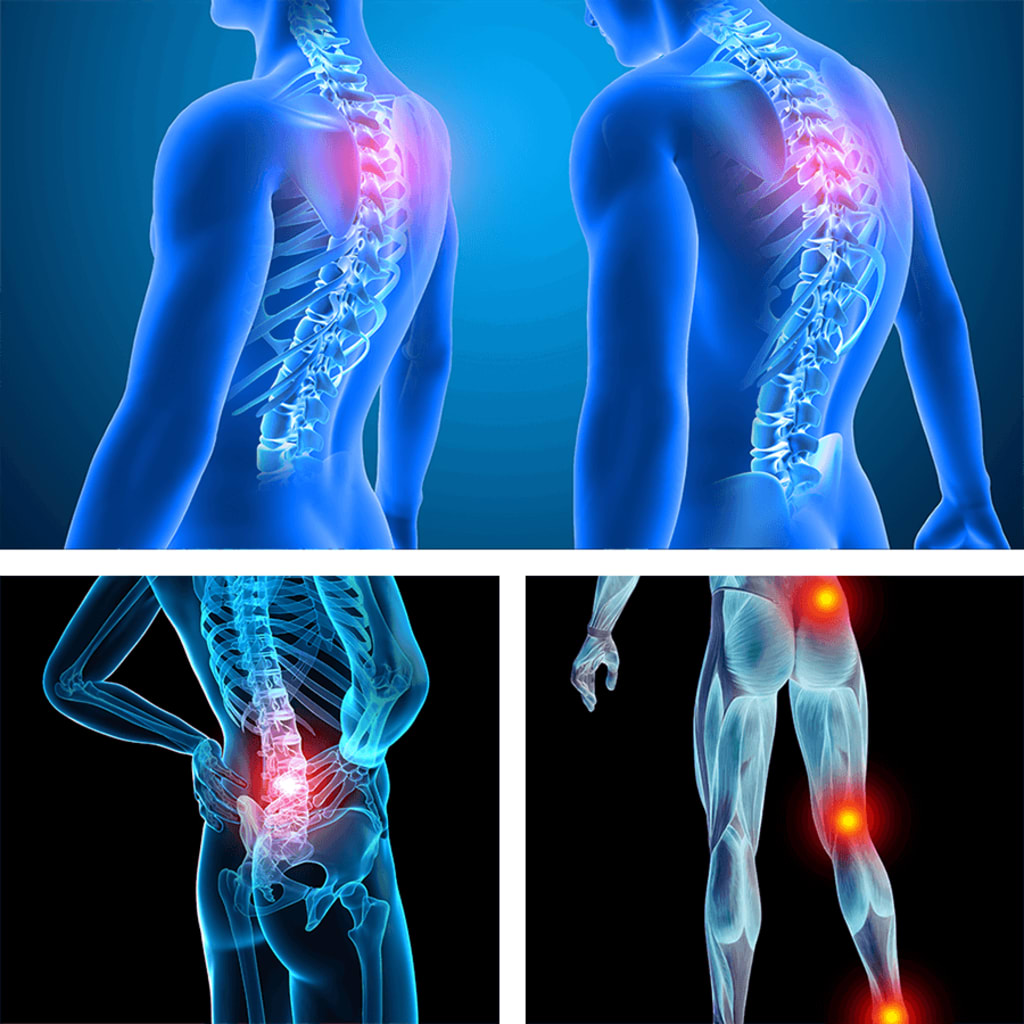
Lower back pain is a common issue affecting many women worldwide. Whether it's a dull ache or a sharp, debilitating pain, understanding the causes can help in managing and preventing it. In this article, we'll delve into the various reasons behind lower back pain in females and explore ways to alleviate it.
Anatomy of the Lower Back
To understand the causes of lower back pain, it's essential to know a bit about the anatomy of the lower back. The lower back, or lumbar region, consists of five vertebrae, muscles, ligaments, and nerves that work together to support the upper body and allow for a range of movements.
Common Causes of Lower Back Pain in Females
Muscle Strain
Causes of Muscle Strain: Muscle strain occurs when the muscles in the lower back are overstretched or torn. This can happen due to heavy lifting, sudden movements, or poor posture.
Symptoms of Muscle Strain: Symptoms include pain, stiffness, and muscle spasms. The pain usually improves with rest and proper care.
Herniated Discs
What are Herniated Discs?: Herniated discs occur when the soft center of a spinal disc pushes through a crack in the tougher exterior casing.
Symptoms and Impact: This can cause pain, numbness, or weakness in the lower back and legs, significantly impacting daily activities.
Osteoarthritis
Understanding Osteoarthritis: Osteoarthritis is a degenerative joint disease that affects the cartilage between joints.
How it Affects the Lower Back: In the lower back, it can lead to pain, stiffness, and decreased flexibility.
Sciatica
What is Sciatica?: Sciatica is a condition where the sciatic nerve, which runs from the lower back down each leg, becomes irritated.
Causes and Symptoms: Common causes include herniated discs and spinal stenosis. Symptoms include sharp pain, tingling, and numbness along the nerve path.
Endometriosis
Link Between Endometriosis and Lower Back Pain: Endometriosis occurs when tissue similar to the lining of the uterus grows outside the uterus, often causing pain.
Symptoms to Watch For: Besides pelvic pain, it can lead to lower back pain, especially during menstruation.
Hormonal Factors
Role of Hormones in Lower Back Pain: Hormonal fluctuations can contribute to lower back pain, particularly in women.
Menstrual Cycle and Back Pain: Many women experience lower back pain as part of premenstrual syndrome (PMS) or during menstruation due to hormonal changes.
Pregnancy-Related Back Pain: Pregnancy can cause lower back pain due to the added weight and changes in posture.
Lifestyle Factors
Poor Posture
Impact of Poor Posture on the Lower Back: Poor posture can strain the lower back muscles and ligaments, leading to pain.
Tips for Improving Posture: Maintain a straight back, avoid slouching, and use ergonomic furniture to support proper posture.
Sedentary Lifestyle
Risks of a Sedentary Lifestyle: Lack of physical activity can weaken the muscles, leading to lower back pain.
Benefits of Regular Exercise: Regular exercise strengthens the muscles, improves flexibility, and reduces the risk of back pain.
Obesity
How Excess Weight Affects the Lower Back: Extra weight puts additional pressure on the lower back, increasing the risk of pain and injury.
Strategies for Weight Management: A balanced diet and regular exercise can help manage weight and reduce back pain.
Psychological Factors
Stress and Its Impact on Back Pain: Stress can cause muscle tension, leading to lower back pain.
Connection Between Mental Health and Physical Pain: Mental health conditions like depression and anxiety can amplify the perception of pain, including in the lower back.
Medical Conditions
Fibromyalgia
Understanding Fibromyalgia: Fibromyalgia is a chronic condition characterized by widespread pain, including in the lower back.
How It Causes Lower Back Pain: It causes pain through increased sensitivity to pain signals in the brain.
Scoliosis
What is Scoliosis?: Scoliosis is an abnormal curvature of the spine.
How It Contributes to Lower Back Pain: This curvature can cause uneven pressure on the back muscles and joints, leading to pain.
Want to relive from back pain, please checkout here.
Diagnosis and Treatment
Diagnostic Methods
Physical Examinations: Doctors perform physical exams to assess pain, flexibility, and nerve function.
Imaging Tests: X-rays, MRI, and CT scans help diagnose the underlying causes of lower back pain.
Treatment Options
Medications: Pain relievers, anti-inflammatories, and muscle relaxants can help manage symptoms.
Physical Therapy: Exercises and stretches improve strength and flexibility, alleviating pain.
Surgical Options: In severe cases, surgery may be necessary to correct structural issues.
Prevention Tips
Lifestyle Changes: Maintain a healthy weight, stay active, and avoid smoking to reduce the risk of lower back pain.
Exercise Routines: Regularly perform exercises that strengthen the core and back muscles.
Ergonomic Tips: Use ergonomic chairs and adjust your workstation to promote proper posture.
Conclusion
Lower back pain in females can arise from various causes, including muscle strain, herniated discs, osteoarthritis, and more. Understanding these causes and adopting healthy lifestyle habits can help manage and prevent pain. If you experience persistent or severe back pain, consult a healthcare professional for a proper diagnosis and treatment plan.
FAQs
What is the most common cause of lower back pain in females?
Muscle strain is one of the most common causes of lower back pain in females.
Can hormonal changes cause lower back pain?
Yes, hormonal changes during the menstrual cycle and pregnancy can contribute to lower back pain.
How can I prevent lower back pain?
Maintain good posture, exercise regularly, and manage your weight to prevent lower back pain.
What are the best exercises for lower back pain?
Exercises like yoga, pilates, and core strengthening can help alleviate lower back pain.
When should I see a doctor for lower back pain?
See a doctor if your back pain is severe, persistent, or accompanied by other symptoms like numbness or weakness.
Want to relive from back pain, please checkout here.
DISCLOSURE: Some external links in this post are affiliate links.
About the Creator
Keep reading
More stories from Raveendra Swamy and writers in Education and other communities.
Ten Ways to Improve Your Relationship in a Novel Way!
The most important thing is always love. However, it is not always sufficient. The two people must commit to each other and accept responsibility for the relationship. Both must put money into it. It is both the most difficult and the most simple thing in the universe. Today, we'll tell you about the ten things that, aside from love, are required for any happy relationship.
By Raveendra Swamy4 years ago in Humans
Smart Borrowing Strategies Before Applying for a Property Loan
Property ownership is often viewed as a symbol of financial stability and long-term success. Whether purchasing a home for personal use or investing in real estate for income, most buyers rely on financing to complete the transaction. While borrowing money makes property ownership possible for many people, it also introduces long-term financial responsibilities. Taking a loan without careful preparation can create financial strain that lasts for years. For this reason, planning before borrowing is one of the most important steps in the property-buying process.
By Eric Kleinera day ago in Education


Comments (1)
Thanks for this educative piece