
What are the various phases of a DevOps life cycle?
The DevOps lifecycle is a collaborative and iterative process that integrates feedback and automation, so that high-quality software can be delivered and customized to meet user and business requirements. The lifecycle consists of distinct phases, which include, testing, coding, planning, deploying, monitoring and feedback.

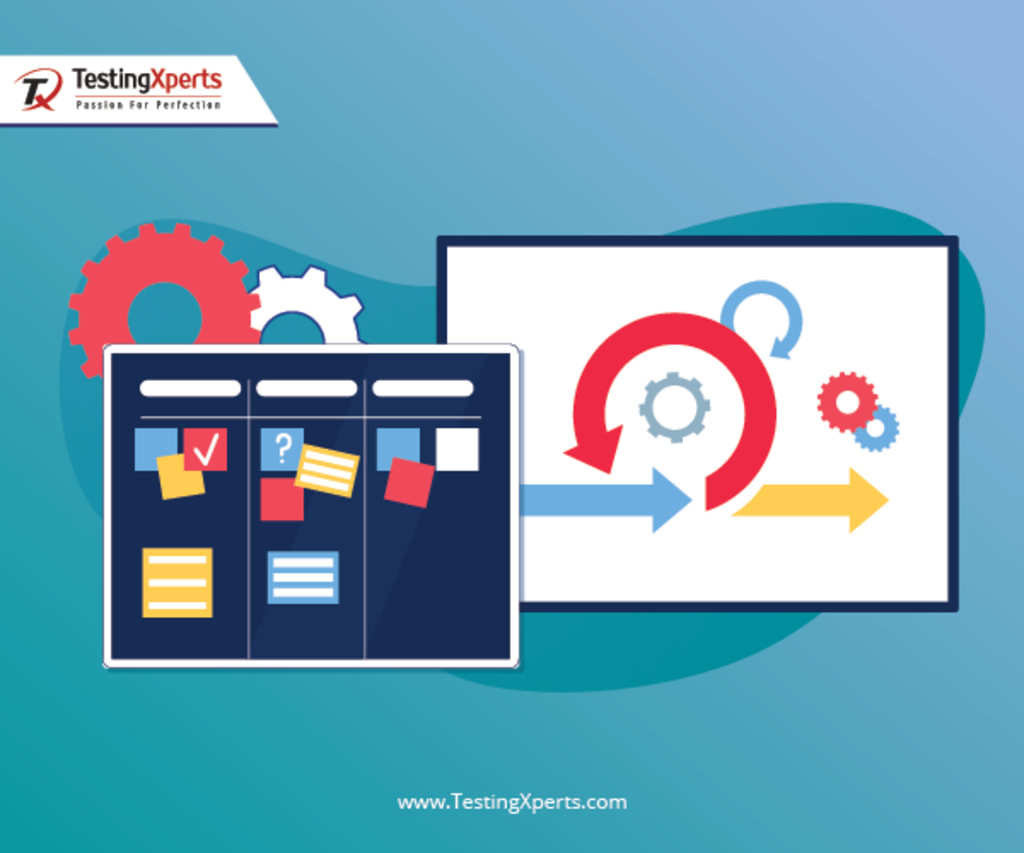
The software delivery process can be streamlined and optimized by the systematic application of the DevOps life cycle. When the different phases of the DevOps life cycle are tactically integrated into the software development process then continuous improvement, agility and collaboration can be properly promoted by the DevOps platform.
Through this approach, high-quality software can be delivered by organizations effectively and efficiently. The environment for the software development process is tactfully implemented through the strategic use of the DevOps lifecycle. In this article, you will get to know the various phases of the DevOps life cycle.
What is the DevOps life cycle?
The DevOps lifecycle is a collaborative and iterative process that integrates feedback and automation, so that high-quality software can be delivered and customized to meet user and business requirements. The lifecycle consists of distinct phases, which include, testing, coding, planning, deploying, monitoring and feedback.
The development and delivery workflows can be optimized by teams by adopting best practices and suitable tools and adhering to the above-mentioned phases. This in turn results in exceptional application quality and accelerated time-to-market.
A proper environment for effective software development and deployment is cultivated by organizations through the tactical integration of tools, processes and individuals. This in turn culminates in reliable, swifter and superior software products.
Following are the varied phases of the DevOps life cycle:
1. Planning: In this phase, the business stakeholders and team collaborate, so that the project requirements can be defined and features that have been identified can be delivered. The expectations and needs of the stakeholders. Milestones are defined, the roadmap is developed and project goals are set in this phase.
2. Coding: The code for the application is developed by the development team. Best practices are used so that maintainable, high-quality code is written for the purpose of conducting testing easily. A version control system like Git can be used by the team so that the codebase can be managed.
3. Developing: The code is built and compiled into executable packages or binaries. This phase includes tasks such as running unit tests, compiling code and application packaging.
4. Testing: In this phase, the testing of an application takes place to make sure it meets quality requirements and standards. Testing at various levels such as integration tests, unit tests and acceptance tests is also taken into consideration.
5. Releasing: A final check is done on the application code to ascertain production readiness. If all the issues are resolved and requirements are properly met, then the project is taken forward to the deployment phase. When preparation activities, quality assurance and thorough testing are being conducted, organizations can ensure that the quality standards are met by the released application.
6. Deployment: In this phase, the deployment of the application is done to a specific environment. This involves the infrastructure being set up, the environment being configured and the application code being deployed.
Continuous deployment pipelines are established by using tools like Docker and Kubernetes for orchestration and containerization.
7. Operational: In this phase, the maintenance and monitoring of the application is done in the production environment. The application’s security, availability and performance are monitored by operations teams.
An example could be a team using monitoring tools like ELK (Elasticsearch, Logstash, Kibana) stack, Prometheus and Nagios to help in logging applications and monitoring metrics and logs.
8. Monitoring: Key tasks such as tracking user behavior, monitoring performance and troubleshooting issues are carried out in this phase. Monitoring tools like Datadog, Grafana and ELK (Elasticsearch, Logstash, Kibana) provide dashboards, alerts and visualizations for troubleshooting and proactive monitoring.
Conclusion: The above-mentioned phases depict the working of the DevOps life cycle. If you are interested in knowing more about the DevOps life cycle, then do get connected with a top-notch software testing services company. You will be able to understand the relevance of the DevOps life cycle, and how it can make a positive impact by improving the productivity of business processes.
About the author: I am a technical content writer focused on writing technology specific articles. I strive to provide well-researched information on the leading market savvy technologies.
About the Creator
Jessica Wood
I am Jessica wood and I am a Software tester for over 9 years , blogger, technology geek, and I use software testing to explore and learn about my world.
Keep reading
More stories from Jessica Wood and writers in Education and other communities.
Regression Testing in Software Testing: Types and Examples
Regression testing plays a crucial role in software development process simply because it ensures that any changes that have been introduced in the code or updates / modifications carried out during the development process does not obstruct the existing functionalities of the software application. Hence, it is carried out as and when needed during the software development process. In this article, you will get to know about the types of regression testing along with a relevant example.
By Jessica Woodabout a year ago in Education
The Human Guide Behind Technical Excellence
Mentorship of skilled technicians plays a decisive role in shaping strong careers and reliable work standards. Technical skill alone does not make a technician capable. Real growth comes from shared experience, steady guidance, and trust built over time. In many industries, mentorship fills the gap between classroom learning and real job demands. It helps technicians move from basic ability to confident performance. This article explores how mentorship supports learning, builds skills, and strengthens the future workforce.
By Michael Gastinel3 days ago in Education
Pioneering Therapies for Untreated Diseases
Medical science has made incredible progress in treating many illnesses. Yet, some diseases remain resistant to conventional therapy. These untreated diseases affect millions of people worldwide, causing long-term disability or shortened lifespans. Pioneering therapies for untreated diseases aim to fill this gap, offering hope where traditional treatments have failed. Scientists, clinicians, and biotech companies are working together to create therapies that are both innovative and effective.
By Dr. Janet Chollet4 days ago in Education
Miss Persephone's Manual to a Seemingly Ordinary Life
Miss Persephone was found at the dining table, her blue eyes swollen, her tears arriving and retreating like the tides of the ocean. Earlier that day, her family had visited her in the retirement home where she had lived for eight years. It was her eightieth birthday.
By Imola Tóth3 days ago in Fiction



Comments (2)
So so amazing .i love your content and subscribed. Kindly reciprocate by subscribing to me also . thank you and keep it up
Thanks for sharing