
What are the Signs and Symptoms of Varicose Veins?
Understanding the Visible and Hidden Indicators of Vein Health

Introduction
Veins are designed to carry blood from different parts of the body back to the heart. In some cases, however, these vessels lose their efficiency. Blood may begin to pool due to valve dysfunction, leading to enlarged, twisted veins that often surface on the legs. This condition is known as varicose veins. Addressing the question, What are the signs and symptoms of varicose veins? requires attention to both visible patterns and physical sensations. Recognising these signs early allows for better management and prevents unnecessary complications.
What Do Varicose Veins Look and Feel Like?
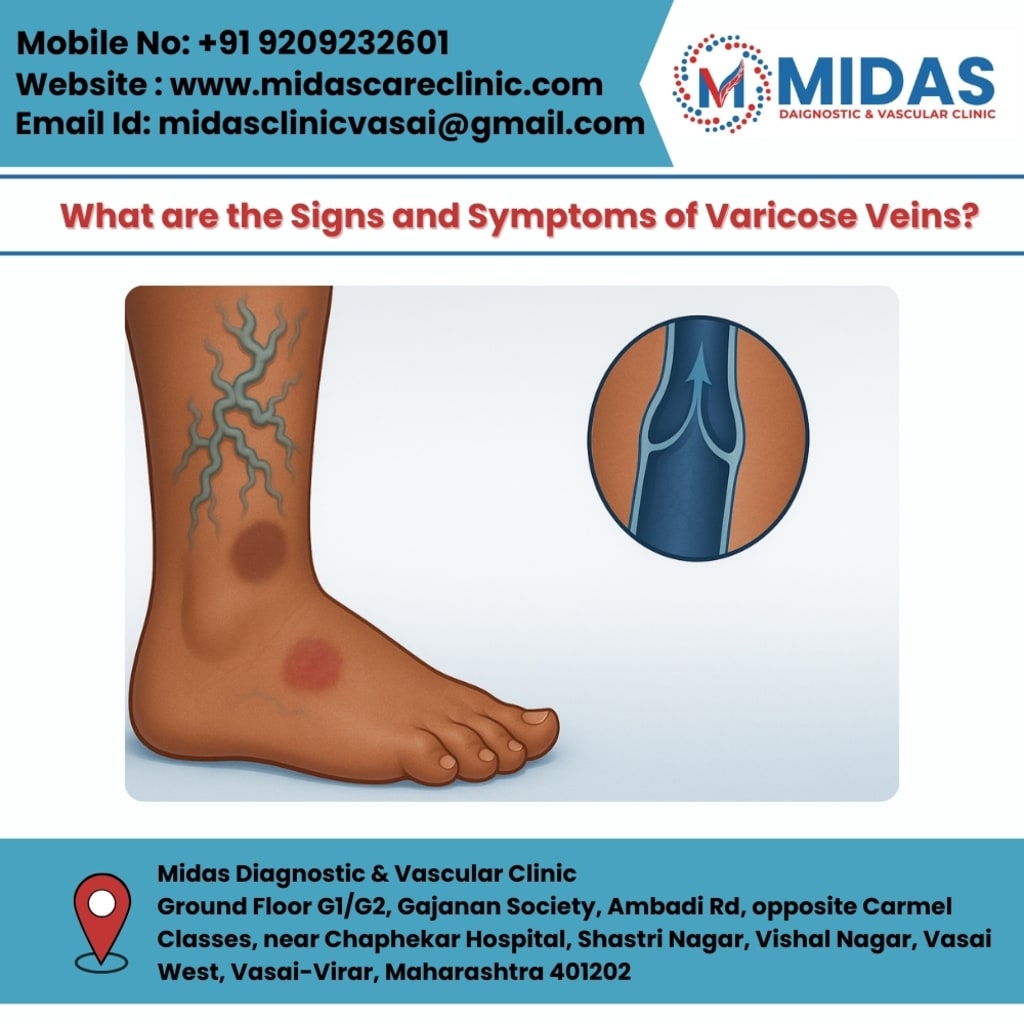
Not all varicose veins are immediately visible. In many instances, they may begin beneath the skin as a slight heaviness or tightness in the legs These veins may grow increasingly noticeable over time, showing up as bulging, twisting streaks of blue or purple. Some may resemble cords under the skin.
In addition to visual changes, individuals often experience localised itching, tingling, or throbbing in the affected areas. The skin near these veins might become dry or thin. These symptoms are subtle but should not be dismissed as temporary or minor.
Understanding Physical Sensations and Discomfort
Many individuals associate varicose veins only with cosmetic concerns, but the physical impact is significant. Common complaints include:
- Aching in the legs after standing for extended periods
- A sensation of tightness or cramping in the lower limbs
- Swelling near the ankles, especially toward the end of the day
- A pulsing or burning feeling along the vein's path
These indicators fall under the category of Physical Sensations and Discomfort. They often fluctuate in intensity and may worsen in hot weather or after long periods of inactivity.
How Varicose Veins Affect Daily Life
Persistent symptoms can interfere with normal activities. Individuals might begin avoiding walks, prolonged standing, or even sitting for too long. In severe cases, the pressure from the veins can result in fatigue or a constant feeling of leg heaviness. These disruptions affect work performance, sleep, and recreational choices.
Understanding How Varicose Veins Affect Daily Life highlights that this condition extends beyond appearance. It influences mobility and self-confidence. Even simple activities like climbing stairs or standing in a queue may become tiring or painful.
When to Worry About Varicose Veins
Occasional leg discomfort is common, but certain signs should raise concern. These include:
- Sudden swelling or pain in one leg
- Skin that becomes inflamed or tender near the vein
- Open sores or ulcers that do not heal
- Bleeding from varicose veins due to minor trauma
- Hardening or discoloration of the skin
These are moments when to worry about varicose veins. In such scenarios, a medical evaluation is appropriate to rule out complications such as deep vein thrombosis or chronic venous insufficiency.
Common Misconceptions and Similar Conditions
It is easy to mistake spider veins for varicose veins. Spider veins are smaller and generally do not cause pain. Some people assume that crossing their legs causes varicose veins, but there is no conclusive evidence supporting this.
Other conditions with similar symptoms include cellulitis, lymphoedema, and dermatitis. Each has distinct underlying causes and treatment approaches. Reviewing these common misconceptions and similar conditions helps separate fact from speculation and ensures the correct issue is being addressed.
The Role of Diagnosis in Understanding Symptoms
Recognising symptoms is the first step. Confirming the underlying cause requires clinical input. Facilities like Midas Care Clinic or those run by experienced specialists such as Dr. Chandrakant use imaging techniques like duplex ultrasound to assess vein function. These tools provide a view of blood flow and detect issues not visible on the surface.
Choosing the Best Diagnostic Centre in Mumbai or a reliable diagnostic centre elsewhere ensures that the analysis is based on accurate data. Such centres evaluate the extent of valve damage, measure blood flow speed, and detect potential clots or vessel narrowing.
Long-Term Risks of Ignoring Symptoms
If left unmanaged, varicose veins may lead to long-term complications. These include chronic leg pain, skin ulceration, and increased clotting risk. Some individuals develop venous eczema or changes in skin texture that become permanent.
In rare cases, clots can move to deeper veins, posing a serious health concern. The progression from minor discomfort to a more severe condition is gradual, which is why it is important to monitor changes regularly and take appropriate action if symptoms persist or worsen.
Preventive Measures and Self-Monitoring
Though not all cases are avoidable, certain practices can support vein health. These include:
- Keeping legs elevated while resting
- Engaging in regular walking or stretching
- Wearing compression stockings when needed
- Avoiding long hours of standing or sitting without movement
Self-monitoring also plays a key role. Observing changes in vein appearance, skin texture, or discomfort levels can prompt timely consultation. A follow-up with a diagnostic centre helps verify if the condition has progressed.
Frequently Asked Questions
Q1. What are the early warning signs of varicose veins?
Answer: Mild swelling, leg fatigue, or light itching near the ankles often precede more visible symptoms. These signs usually appear gradually.
Q2. Do varicose veins always cause pain?
Answer: Not always. Some people experience visible vein bulging without pain, while others may feel discomfort without noticeable external changes.
Q3. How do I know if my leg swelling is due to varicose veins?
Answer: Swelling from varicose veins is often accompanied by heaviness or aching in the leg and may worsen by evening.
Q4. Can standing all day make varicose veins worse?
Answer: Yes. Prolonged standing can increase pressure in leg veins, especially for those with weakened vein valves.
Q5. What is the difference between varicose veins and spider veins?
Answer: Spider veins are smaller, thinner, and usually red or purple. Varicose veins are larger, bulging, and often painful.
Q6. When should I consult a doctor for varicose veins?
Answer: If symptoms interfere with daily life, cause skin changes, or result in swelling and discomfort, a medical evaluation is advised.
Q7. Can varicose veins lead to other health problems?
Answer: In some cases, they can result in ulcers, clots, or chronic venous insufficiency, particularly when left untreated.
Conclusion
The signs and symptoms of varicose veins go beyond visible patterns. Pain, discomfort, and subtle skin changes often signal underlying issues. Addressing the central question, What are the signs and symptoms of varicose veins?—requires awareness of how these veins present and progress. Clinics such as Midas Care Clinic and specialists like Dr. Chandrakant offer structured evaluations for individuals dealing with this condition. Recognising symptoms early can limit complications and support informed medical decisions.
About the Creator
Midas Care Clinic
At Midas Care Clinic, your health is our priority. As the best x-ray centre in Vasai, we offer state-of-the-art diagnostics, ensuring accurate results and prompt medical care. Experience excellence with us!
Keep reading
More stories from Midas Care Clinic and writers in Education and other communities.
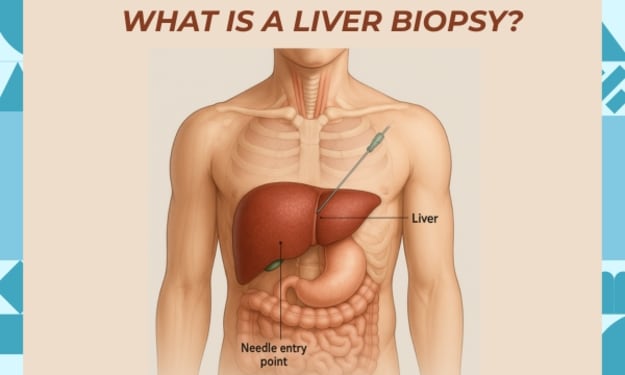
What Is a Liver Biopsy?
Understanding your liver health begins with accurate information. If your doctor has recommended a liver biopsy, you may be wondering what it involves and why it's necessary. This article answers that question and provides a clear explanation of the process, benefits, and potential concerns linked to the procedure.
By Midas Care Clinic10 months ago in Education
Why the Beer Market Is Evolving Beyond Tradition and Into Lifestyle Culture?
As an alcoholic beverage that has been popular across cultures and ages, beer has a long history. Customarily, beer has been associated with social interaction, but in the modern world it has become a dynamic industry defined by innovation, branding, and consumer preferences. The beer market is still largely influenced by customary brewing but has adapted for modern lifestyles.
By Akshay Kumar5 days ago in Education



Comments
There are no comments for this story
Be the first to respond and start the conversation.