
What are the methods used by psychologists to help adults overcome depression and regain meaning in their lives?
Psychologists assist
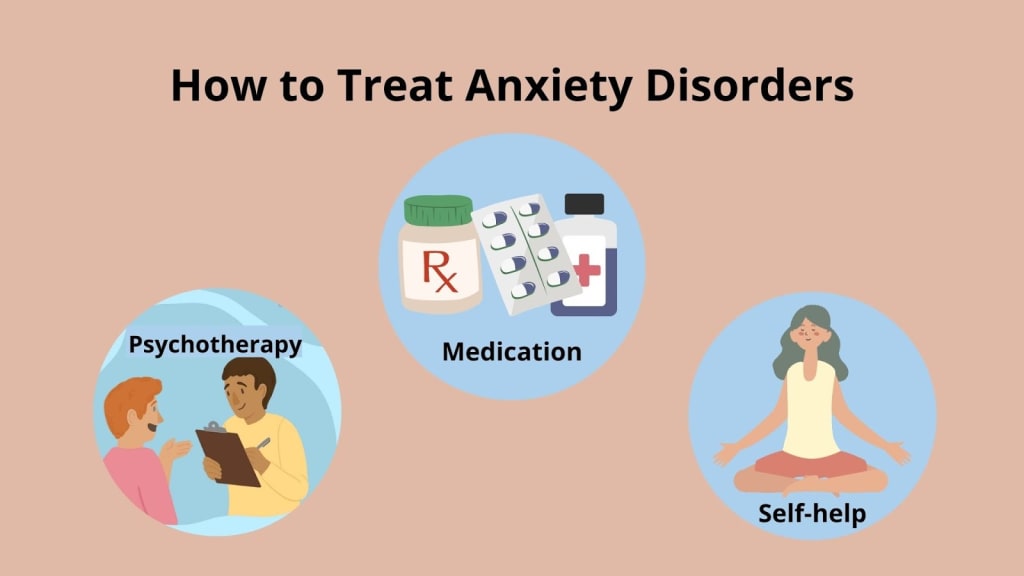
Depression is a common mental disorder that affects millions of adults worldwide. It can present itself in the form of persistent sadness, loss of interest in activities previously enjoyed, fatigue, feelings of worthlessness, and feeling hopeless. Maybe the most powerful influence that depression has is to undermine a person's sense of purpose—that life is meaningful and directed. Thankfully, psychologists have an array of evidence-based methods which enable them to steer people through depression and regain their sense of purpose.
Understanding Depression and Its Impact
Depression is not just sadness; it is a serious mental illness that affects how one thinks, feels, and acts. The National Institute of Mental Health (NIMH) defines that depression can lead to severe impairments in functioning in work, social relationships, and physical health.
National Institute of Mental Health
Decreased sense of purpose is often paired with depression. When an individual loses touch with his values, goals, or interests, life is aimless and daunting. Lack of direction can further keep despair feelings alive and sustain depressive symptoms.
Therapeutic Techniques Employed by Psychologists
Psychologists employ diverse therapeutic modalities to manage both depression symptoms and lack of purpose:
1. Cognitive Behavioral Therapy (CBT)
CBT is an established and successful therapy for depression. It focuses on identifying and challenging negative thinking styles and beliefs that cause depressive symptoms. Changing the dysfunctional thinking into healthier and more realistic thoughts can alter emotional responses and behaviors.
Mayo Clinic
2. Acceptance and Commitment Therapy (ACT)
ACT promotes people to embrace their thoughts and emotions instead of resisting them. ACT emphasizes being mindful and living in accordance with the values of an individual. ACT ensures psychological flexibility, which allows a person to adhere to actions in accordance with their values even if they experience difficult emotions.
Verywell Health
3. Logotherapy
Developed by Viktor Frankl, logotherapy posits that the prime motivation of human beings is to find meaning in life. Logotherapy helps one discover an objective that transcends suffering and has to do with what one believes is most significant. Dereflection and paradoxical intention are some of the methods used to shift focus from egoistic problems to greater goals.
Verywell Mind
4. Behavioral Activation
This strategy is based on provoking people to participate in activities that are valued and meaningful. Raising positive activity levels helps people overcome withdrawal and inertia inherent in depression, leading to higher mood and purpose again.
5. Interpersonal Therapy (IPT)
IPT focuses on improving interpersonal relationships and social functioning. It addresses issues such as role conflicts, grief, and interpersonal deficits that may cause depression. Improving interpersonal relationships can provide individuals with the support and sense of belonging they require to maintain a sense of purpose.
Building a Sense of Purpose
Finding purpose is an important goal in depression recovery. Psychologists assist clients with this using a number of techniques:
Discovering Core Values: Identifying what is most meaningful to a person can provide them with direction and motivation. This is often accomplished by recalling the past, interests, and objectives.
Development of Meaningful Goals: Constructing goals that hold importance can provide an action plan and sense of accomplishment.
Engagement in Altruistic Activities: Volunteering or working on a social issue may create a sense of belonging and purpose.
Practicing Mindfulness: Staying present can assist individuals to enjoy life and avoid staying back from dwelling on the negative.
Lifestyle Changes to Enhance Recovery
In addition to therapy, psychologists typically recommend lifestyle changes that assist in promoting recovery from depression:
Regular Exercise: Exercise has been shown to possess antidepressant effects by releasing endorphins and improving mood.
Good Nutrition: Healthy diet can affect brain function and mood control.
Sleep: Adequate sleep is essential to emotional health and mental functioning.
Social Contact: Having others around to help in keeping up social relationships can be comforting and reducing feelings of loneliness.
Stress Management: Time management and relaxation can help an individual cope with stressors that may lead to depression.
The Importance of Seeking the Services of a Professional
While self-help is helpful, the services of a professional psychologist are generally necessary in order to effectively treat depression and its impact on one's sense of purpose. Psychologists provide a safe and supportive environment in which to work through difficult emotions, develop coping strategies, and set meaningful goals.
If you or someone close to you are fighting depression and wish to re-discover a purpose, then think of reaching out to a trained psychologist. For additional resources and information, visit:
About the Creator
Keep reading
More stories from Naveen Garg and writers in Education and other communities.
How do psychologists assist adults in minimizing stress and preventing burnout?
Stress is a fact of life for adults due to work, family responsibilities, financial worries, health problems, and societal pressures. Provided that there is some level of stress, it can motivate productivity and personal growth; yet, chronic stress is crushing and leads to burnout, physical illness, and mental disorders such as anxiety and depression. Burnout in particular encompasses emotional exhaustion, reduced sense of personal achievement, and cynicism or detachment from work or daily activities. Psychologists play a critical role in helping adults recognize, manage, and prevent burnout and stress, allowing them to maintain balance, resilience, and well-being.
By Naveen Garg4 months ago in Education
Can You Really Earn Money With Transcription? The Real Income Reality
The short answer is yes—you can earn money with transcription. But the more honest, useful answer is this: transcription only becomes worthwhile when you understand how the income actually works, not how it’s often presented online.
By Mahesh Kumar4 days ago in Education
Beyond the Transcript: What Extracurriculars and Essays Reveal That Grades Cannot
Colleges today look far beyond GPAs and test scores to understand who applicants truly are. While academic metrics indicate preparedness for coursework, they fail to capture personality, resilience, passion, and potential contributions to campus life. This is why essays, extracurricular activities, and other non-academic elements of an application hold significant power. They offer admissions officers a fuller, richer, more human version of the student—one that no number can represent.
By Carmen Reid7 days ago in Education
Ludacris and Nelly draw backlash over bookings at MAGA-coded music festival
Ludacris and Nelly headlining a mostly right-wing event is good for them. It’s also great for the genre of hip hop. The two rap veterans have showcased their talents on other stages. Why can’t they perform for mostly MAGA folks and grab that bag?
By Skyler Saunders4 days ago in Beat



Comments
There are no comments for this story
Be the first to respond and start the conversation.