
What are the major causes and related effects of depression on youth, and which treatments are shown to be most effective?
Depression

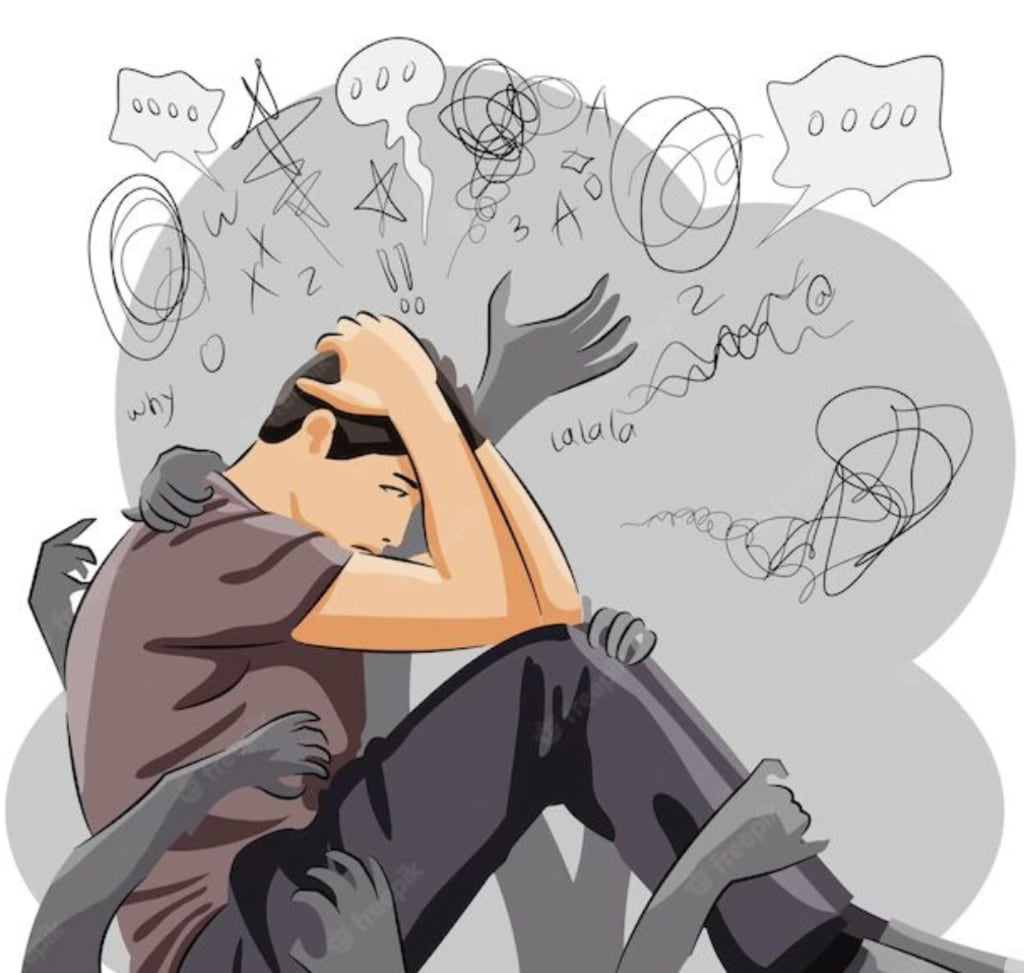
Depression is one of the serious mental health illnesses affecting youth. This serious illness can affect a teenager’s thoughts, feelings, and behavior in their daily lives. The exact cause of this disease is unknown, but there are factors that contribute to depression. The biological factor and other external factors such as social and environmental factors can significantly cause depression in youth. This causes teenagers mental and physical health. However, there are traditional and natural treatments that are shown to be very effective treatments for youth.
There are several biological changes in different parts of the body that lead to depression. Individuals who have depression tend to have chemical changes in their brain. Recent studies have shown neurocircuits are part of organizing and balancing mood and have a major role in depression and its treatment (Sawchuk, 2022). Therefore, if the neurocircuits are not working properly, this will lead to a low mood and if the level of serotonin is not stabilized in the long term, it may develop depression. Researchers have noted that some people with depression have smaller hippocampus, which means there are less Serotonin receptors. Serotonin is a brain chemical known as neurotransmitters; this chemical receptor allows communication in different parts of the brain to process emotions (Bruce & Seed, 2024). This explains that serotonins are a crucially important part of brains function to balance mood and emotions.
Moreover, genetics also has a significant role in causing depression in youth. Depression tends to be common in people with inherited traits genetically by blood relatives. According to NZ Mental Health Foundation (2022), teens who have close family members like parents or siblings with mental health conditions such as bipolar disorder, schizophrenia, or depression are twice as likely to experience similar problems themselves. Furthermore, this is caused by interaction of many genes together in various ways that leads to different type of depression, each gene excreting small effects when interacting with environment, rather than only one single gene causing the disease (Bruce & Seed, 2024). These biological factors, such as brain chemical changes and genetics, play a significant role in the development of depression in youth.
Although biological factors significantly influence the development of depression in youth, external factors such as social and environmental factors and gender can further increase the risk of depression in youth. According to NZ Mental Health Foundation (2022), traumatic life events such as losing loved ones, experiencing abuse or living in a stressful environment can make a person more venerable to depression in their life. Social isolation can also lead to depression, which is usually due to other mental illnesses. Being thrown out of family or social groups can add to the risk of clinical depression. (Bruce & Seed, 2024) Additionally, Bruce & Seed also mentioned another factor that triggers the risk of developing depression is gender. Even though, it is not clearly known why, but women’s are twice as likely than mans to become depressed and this is likely, due to the hormonal changes that happens in different times of women’s live. These external factors have increased what has been causing depression in youth.
The causes of depression can significantly affect teenagers’ emotions and behavior. These emotions and behaviors are something that parents or caregivers should be aware of and alert to. For example, emotional effects such as, being frustrated and angry about small matters, feeling of worthlessness or guilt, and being unable to concentrate, having thoughts of death or suicide regularly (NZ Mental Health Foundation, 2022). The behavior effects that been shown are Insomnia, being tired and lack of energy, slow thinking, speaking and body movements, being absent from school and low performance. These behaviors and emotional effects define the seriousness of depression in youth.
Psychotherapy is shown to be one of the most effective traditional treatments of depression in youth. Talk therapy is another way of calling psychotherapy, and it is one of the most common treatments for depression. The NZ Mental Health Foundation (2022) explains that talking therapy sessions are most effective treatment of depression for children and teens, in these sessions the therapist helps them recognize early signs of depression, identify its causes, and develop healthier ways of thinking and behaving to support their overall well-being.
Additionally, medication or antidepressants are also another traditional treatment that has been effective for youth. Sawchuk, (2022) stated that doctors mostly start by prescribing the selective serotonin reuptake inhibitor which is effective on mood and these drugs are generally safer with less side effects than the other antidepressants. The NZ Mental Health Foundation (2022) also mentioned that two medications are approved by the (FDA) The food and drug administration, which are fluoxetine (Prozac) and escitalopram (Lexapro) that are part of serotonin reuptake inhibitors. Moreover, it has been shown that for many teens who need an antidepressant, the benefits outweigh any risks, although parents need to ask their children’s doctor about the function of medications, the benefits, side effects and the risks due to worsening depression, unusual behavior, especially when first beginning a new medication or with change in dosage. Otherwise, overdose of dedication can put teens at risk or if quitting suddenly may cause a sudden worsening of depression (NZ Mental Health Foundation, 2022)
Exercise is an effective natural treatment that can be very effective for many teens experiencing depression. According to a book from IQWiG, (2024), exercises such as walking, swimming, cycling or hiking can help improve mood and increase energy levels, and it is highly recommended for relieving or preventing depression. Although it depends on their depression level. For example, individuals with mild depression are more able to engage in active exercises like jogging or gym workouts, whereas those with severe depression may start with lighter forms of exercises such as short walks outdoors (IQWiG, 2024). Therefore, even small physical activity can help with motivation, reduce stress levels, and create a sense of achievement. This highlights how regular exercise can be important in improving mental health and preventing depression from worsening.
In addition, another effective natural treatment for youth is to maintain strong social connections and relationships. This strongly impacts having confidence and a positive mood. The NZ Mental Health Foundation (2022), advice youth to develop better social connections. They need to make and keep a healthy relationship in their social life; positive relationships can help boost teens' confidence and keep the connection with others. Moreover, another piece of advice is to keep participating in school activities or a job to stay focused on a positive environment, rather than in an environment with negative feelings or behaviors. Therefore, social connection is a crucial aspect for the development of confidence, good mood, and social connection in youth to reduce depression.
In conclusion, there are factors that cause depression in youth. The biological factors such as the brain’s chemical changes and genetic, or social and environmental factors as external factors that cause depression in youth. Furthermore, the related effects have shown in youth, but depression can be treated by psychotherapy and medication as effective traditional treatments and effective natural treatments such as exercise and social connection. Therefore, even though depression is a serious illness and can relatively effects youth life due to causes, socially and environmentally, this complex illness can be treated by the traditional and natural ways.
References
Bruce, D. F., & Seed, S. (2024). What causes depression? WebMD. https://www.webmd.com/depression/causes-depression
Institute for Quality and Efficiency in Health Care (IQWiG). (2024). Depression: Learn more – How is depression treated? National Center for Biotechnology Information (NCBI). https://www.ncbi.nlm.nih.gov/books/NBK279282/
Mayo Clinic Staff. (n.d.). Teen depression – Diagnosis and treatment. Mayo Clinic. https://www.mayoclinic.org/diseases-conditions/teen-depression/diagnosis-treatment/drc-20350991
Mental Health Foundation of New Zealand. (2024). Depression – Youth. https://mentalhealth.org.nz/conditions/condition/depression-youth#symptoms
About the Creator
Fatemeh Azimi
I write to translate feelings into words, poems, stories, and journal pieces inspired by healing growth, and moments that broke me but also built me again.
Keep reading
More stories from Fatemeh Azimi and writers in Education and other communities.
When Healing Leads the Way: How Outcome-Driven Healthcare Reshapes Systems, Costs, and Trust
Healthcare is at a crossroads. Rising costs, overwhelmed providers, and frustrated patients have exposed deep flaws in systems that prioritize financial performance over human well-being. For decades, success in healthcare was often measured by revenue, service volume, and utilization rates. While economic sustainability is essential, problems arise when profit becomes the primary goal rather than a byproduct of adequate care. Shifting the focus from profits to outcomes fundamentally changes how healthcare operates, who it serves, and how success is defined.
By Evan Weiss St Louis6 days ago in Education
Lean Management Principles in Healthcare: A Practical Guide to Better Patient Care
Lean management principles in healthcare focus on improving patient outcomes by reducing waste, streamlining workflows, and strengthening team collaboration. Originally developed in manufacturing, Lean has become a powerful approach for hospitals, clinics, and medical practices that want to deliver higher-quality care with fewer delays and less frustration.
By Brady Beitlich6 days ago in Education
The Devil's Cut
“Comrade, finally you’re awake.” The voice was smooth, sensual. A flickering incandescent bar was all that lit the white, sterile room. All Vladimir remembered was everything going black. He tried to move his arms and found them strapped to the gurney.
By Matthew J. Fromm6 days ago in Fiction


Comments
There are no comments for this story
Be the first to respond and start the conversation.