
What are the differences between 1.5T and 3T MRI Machines?
Magnetic Resonance Imaging (MRI) has revolutionized the way we look inside the human body without making a single incision. However, not all MRI machines are created equal. When you hear terms like 1.5T and 3T, you might wonder what they mean and how they impact the imaging process.
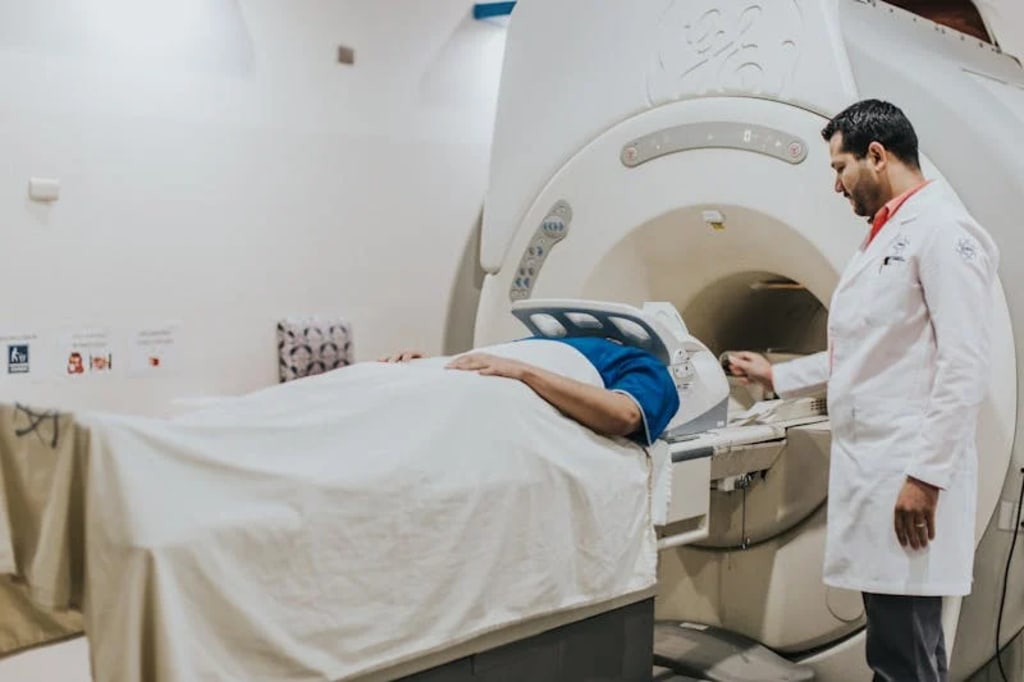
Understanding MRI Machines
Before we delve into the specifics, let's understand what MRI is. MRI stands for Magnetic Resonance Imaging. It's a type of imaging technology that uses magnetic fields and radio waves to create detailed images of the organs and tissues in your body. The 'T' in 1.5T and 3T stands for Tesla, a unit of measurement for magnetic field strength. In the context of MRI, a higher Tesla means a stronger magnetic field.
What is a 1.5T MRI?
A 1.5T MRI machine operates with a magnetic field strength of 1.5 Tesla. It's a standard in the industry, widely used for a broad range of diagnostic procedures. Its versatility and proven track record make it a go-to choice for many healthcare providers.
What is 3T MRI?
On the other hand, a 3T MRI machine doubles the magnetic field strength to 3 Tesla. This boost in power can lead to clearer, more detailed images, which can be crucial for diagnosing complex conditions.
Key Differences Between 1.5T and 3T MRI Machines
Image Quality
When we talk about image quality in MRI machines, we're referring to the machine's ability to differentiate between different types of tissues and detect small or subtle abnormalities.
1.5T MRI
The image quality of a 1.5T MRI is robust and dependable, making it sufficient for a wide array of medical examinations. It excels in routine clinical applications and provides clear images that are instrumental in diagnosing a variety of conditions. However, when it comes to detecting extremely fine details or subtle contrasts between tissues, it might have limitations compared to its 3T counterpart.
3T MRI
The 3T MRI steps up the game in image resolution and contrast. This heightened clarity is crucial when doctors need to examine small structures or subtle differences in tissue, such as in cases of early-stage disease or small lesions. The enhanced detail can be pivotal in making accurate diagnoses, particularly in neurology and oncology, where every detail matters.
Scan Time
The duration of an MRI scan is not just a matter of scheduling convenience - it can significantly impact patient comfort and the efficiency of medical operations.
1.5T MRI
While the scan time is longer with 1.5T MRIs, this doesn't always translate to a disadvantage. In scenarios where patient throughput is not a pressing issue or when the longer scan time doesn't impact the diagnostic outcome, a 1.5T machine can be quite adequate. However, for patients who are claustrophobic or uncomfortable lying still, the longer duration might pose a challenge.
3T MRI
The 3T MRI's capability to conduct faster scans is a boon for both patients and healthcare providers. Quicker scans mean reduced discomfort and anxiety for patients, particularly important for children or those with claustrophobia. From a logistical standpoint, faster scans allow for more patients to be imaged in a day, enhancing the efficiency of healthcare services.
Cost
MRI machine cost is a significant factor for healthcare facilities when deciding between these two types of machines.
1.5T MRI
The more cost-effective option, 1.5T MRI machines are less expensive to purchase and maintain. This makes them a popular choice for facilities that need to balance budget constraints with the need to provide comprehensive diagnostic services.
3T MRI
The 3T machines, with their advanced technology and superior imaging capabilities, come with a higher price tag in terms of purchase and maintenance. However, this investment can be justified by the enhanced diagnostic capabilities, especially in specialized medical fields where the highest image quality is paramount. Plus, with MRI machine finance available, you can split the cost into manageable amounts.
Clinical Applications
The choice between a 1.5T and 3T MRI often hinges on the specific clinical applications and the level of detail required in the imaging.
1.5T MRI
This machine is a workhorse in the medical imaging field, suitable for a broad range of applications from brain and spinal scans to musculoskeletal and abdominal imaging. Its versatility makes it a staple in many healthcare settings.
3T MRI
The 3T MRI shines in situations where ultra-high resolution is critical. For example, in neuroimaging, it can provide exceptional detail of brain structures, aiding in the diagnosis of neurological conditions. Similarly, in musculoskeletal imaging, it can reveal fine details within joints, assisting in the evaluation of complex joint disorders.
Choosing the Right MRI Machine
When it comes to selecting between a 1.5T and a 3T MRI machine, it boils down to the specific needs of a healthcare facility. Here are some factors to consider:
- Patient comfort - Faster scan times with 3T can reduce patient discomfort and anxiety.
- Diagnostic requirements - If your facility frequently handles cases requiring high-resolution images, a 3T machine might be the better choice.
- Budget constraints - Consider the balance between the machine's cost and the diagnostic value it offers.
Making the Right Choice
The decision between a 1.5T and a 3T MRI machine is not about picking the superior technology but rather choosing the right tool for the right job. So, carefully consider your needs to come to the right decision!
FAQs
Can all patients undergo a 3T MRI scan?
While 3T MRI is safe for most patients, certain individuals with implants or specific medical conditions may require a 1.5T scan due to the stronger magnetic field in 3T machines.
Is the radiation exposure higher in a 3T MRI?
No, MRI machines do not use ionizing radiation like X-rays or CT scans. The difference in Tesla levels does not impact radiation exposure.
Are 3T MRI machines always better than 1.5T?
Not necessarily. The choice depends on the specific imaging needs and the clinical context.
About the Creator
Keep reading
More stories from Mike Myers and writers in Education and other communities.
Echoes of the Current: Reuniting a Family Waterwheel with Its Roots
Heritage often survives in fragments—old photographs, half-remembered stories, and objects whose original purpose has faded with time. Yet some pieces of the past retain a powerful pull, calling families to reconnect with their roots. For one family, that call came in the form of a waterwheel that once stood at the center of their land and livelihood. Returning it to its original home became a meaningful journey of remembrance, restoration, and renewal.
By Grady Gastona day ago in Education
The Virtual Classroom Spain Bold Leap into the Future of Online Education in 2026
Spain’s educational landscape has historically been defined by the sun-drenched courtyards of its ancient universities and the traditional face-to-face interaction that characterizes Mediterranean culture. However, as we move through 2026, a silent but powerful revolution has taken place. The "Digital Spain 2026" agenda, launched years ago as a response to global shifts, has finally reached its zenith, transforming the nation into a European leader for e-learning. This isn't just a story about technology; it’s a story about accessibility, economic resilience, and a fundamental rethinking of what it means to "go to school." In a country where geography once limited educational opportunities, online platforms have now bridged the gap between rural villages in Castile-La Mancha and the bustling tech hubs of Madrid and Barcelona, creating a truly democratic educational ecosystem.
By Neeraj kumar7 days ago in Education
The Devil's Triangle
The sails ruffled in the breeze as we cruised along. The Sea Breeze was a mid-size catamaran that sailed out of Royal Naval Dockyard in Bermuda. We had booked this trip weeks in advance and were now looking at our Captain, Spike and two boat hands. Paddy and Wilson seemed like nice guys, joking around with the passengers and telling us some stories about Bermuda that only locals would know. Their island accents sounded almost British but they were pleasant to listen to.
By Barbara Gode Wilesabout 11 hours ago in Fiction


Comments
There are no comments for this story
Be the first to respond and start the conversation.