
What Are the Best Memorization Strategies for Students?
In the academic journey, memorization is a fundamental skill. Whether it’s a list of historical events, a complex scientific formula, or vocabulary in a foreign language, effective memorization strategies can significantly impact a student's success.

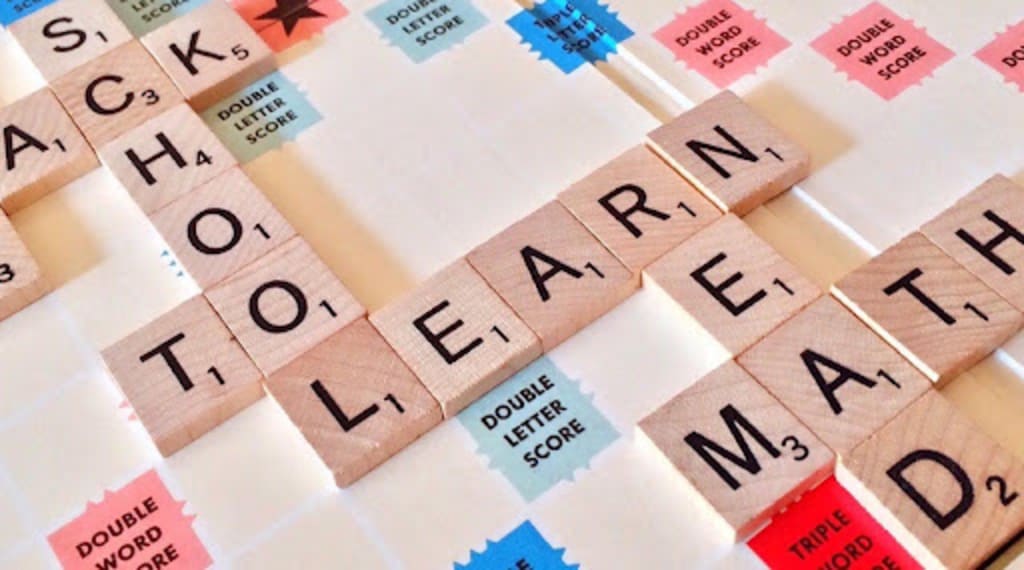
In the academic journey, memorization is a fundamental skill. Whether it’s a list of historical events, a complex scientific formula, or vocabulary in a foreign language, effective memorization strategies can significantly impact a student's success. But what are the best strategies, and how can they be implemented effectively? This comprehensive guide explores various techniques, the science behind memory, and practical tips to enhance retention. By understanding and applying these strategies, students can transform their learning experience and maximize their academic potential.
Understanding Memory: The Foundation for Effective Memorization
Before diving into specific strategies, it’s important to understand the science behind memory. Memory is a complex process involving the encoding, storing, and retrieving of information. Our brains categorize information into short-term and long-term memory. Short-term memory holds information temporarily, while long-term memory stores information for extended periods. Effective memorization strategies focus on transferring information from short-term to long-term memory.
The question often arises: How long does it take to memorize something? The time required varies depending on several factors, including the complexity of the information, the student’s cognitive abilities, and the methods used. For instance, memorizing a short poem may take only a few minutes, while mastering complex mathematical formulas might require several hours or even days of practice. Research shows that with consistent use of structured techniques, students can reduce the time required for memorization while improving retention rates.
The key lies in using efficient strategies and practice techniques that align with individual learning preferences. By understanding the mechanisms of memory and leveraging proven methods, students can optimize their learning time.
Top Memorization Strategies for Students
Now that we’ve covered the basics, let’s explore some of the most effective memorization strategies for students. These methods range from simple techniques to more advanced approaches that engage different cognitive functions.
1. Active Recall: The Science of Testing Yourself
Active recall is one of the most powerful memorization strategies available. It involves testing yourself on the material repeatedly rather than simply re-reading it. By actively retrieving information from memory, you strengthen neural connections and increase the likelihood of retaining that information long-term.
For example, instead of reading a textbook chapter multiple times, you can summarize the key points and then close the book to test yourself on those points. Flashcards are another excellent tool for active recall, allowing students to test their knowledge in a structured manner.
2. Spaced Repetition: Timing Is Everything
Spaced repetition is based on the concept of revisiting information at specific intervals. Instead of cramming all the information in one session, this technique spaces learning sessions over days, weeks, or even months. This method aligns with how our brain consolidates memories, making it one of the most effective memorization strategies.
By scheduling review sessions strategically, you can maximize retention. For instance, review material after one day, then after three days, and then a week later. This approach helps combat the forgetting curve, a concept developed by Hermann Ebbinghaus that shows how quickly information can be forgotten without regular review.
3. Memory Markers: Using Mnemonics and Associations
Memory markers, such as mnemonics and associations, help in encoding information more effectively by creating vivid and memorable connections. Mnemonics use patterns or phrases to simplify complex information, making it easier to recall. For example, to remember the order of colors in a rainbow (Red, Orange, Yellow, Green, Blue, Indigo, Violet), the mnemonic "Richard Of York Gave Battle In Vain" can be used.
Associations, on the other hand, involve linking new information to something already familiar. By creating mental images or linking facts to real-life scenarios, students can enhance recall. For instance, when learning a new language, associating a word with a familiar object or concept can aid in memorization.
4. The Method of Loci: Visualizing Information
The method of loci, also known as the memory palace technique, is an ancient memorization strategy that involves visualizing information in specific locations. This technique works by imagining a familiar place (like your home) and mentally placing the information you want to remember in various rooms or locations within that space.
For instance, if you need to memorize a list of items, you can visualize each item in a specific room of your house. By mentally walking through these locations, you can recall each piece of information. This technique leverages spatial memory, which is often stronger than verbal memory, making it a powerful tool for memorization.
5. Chunking: Breaking Down Information
Chunking is the process of breaking down complex information into smaller, manageable chunks. Our brains can process only a limited amount of information at a time, so grouping related information together enhances retention. This technique is particularly useful for memorizing numbers, sequences, or lengthy pieces of information.
For example, when memorizing a long number like 123456789, it’s easier to remember it as 123-456-789. Similarly, when studying a subject like history, grouping events by periods or themes allows for better understanding and recall.
6. Formal Training and Informal Training: Which Is More Effective?
Both formal training and informal training play crucial roles in developing memorization skills. Formal training includes structured programs such as school courses, workshops, or memory coaching sessions that teach students specific techniques. These programs provide systematic guidance and proven strategies, helping students build strong foundational skills.
Informal training, on the other hand, involves self-directed learning and practice. This could include using apps designed for memory improvement, engaging in brain games, or reading books on cognitive development. Both approaches have their benefits; formal training offers structure and expertise, while informal training provides flexibility and personalization. A balanced combination of both can maximize the benefits for students.
Enhancing Memorization with Lifestyle Adjustments
In addition to specific memorization techniques, certain lifestyle factors also play a vital role in enhancing memory retention. By focusing on sleep, nutrition, and exercise, students can create an optimal environment for learning.
1. The Role of Sleep in Memory Retention
Sleep is crucial for memory consolidation, the process by which the brain converts short-term memories into long-term ones. During sleep, particularly during the deep REM stages, the brain processes and organizes information. Lack of sleep, therefore, impairs this process, making it difficult to retain new information.
Students should aim for 7-9 hours of sleep per night to ensure their brains have enough time to consolidate information learned throughout the day. Developing a consistent sleep schedule and avoiding electronic devices before bedtime can improve sleep quality.
2. Nutrition: Fueling the Brain for Better Memory
Nutrition also significantly impacts memory. The brain requires certain nutrients, such as omega-3 fatty acids, antioxidants, and vitamins, to function optimally. Foods like fish, nuts, berries, and leafy greens are known to enhance cognitive function and memory.
Staying hydrated is equally important, as dehydration can lead to cognitive decline. Students should focus on maintaining a balanced diet that supports brain health, enabling them to retain information more effectively.
3. Exercise: Boosting Cognitive Function
Physical exercise isn’t just good for the body; it’s beneficial for the brain as well. Exercise increases blood flow, which in turn supplies the brain with oxygen and nutrients necessary for optimal function. Studies have shown that regular physical activity improves memory and cognitive skills.
Even short daily workouts, such as a brisk walk or yoga session, can significantly impact a student’s ability to concentrate and remember information. Combining physical activity with other memory strategies creates a holistic approach to learning.
Adapting Memorization Techniques to Individual Learning Styles
Every student has a unique learning style, and understanding these differences is essential for choosing the most effective memorization strategy. The three primary learning styles are visual, auditory, and kinesthetic, and each style responds differently to memorization techniques.
1. Visual Learners: Leveraging Visual Aids
Visual learners absorb information best through visual stimuli such as images, diagrams, and color-coded notes. Strategies like the method of loci and mind mapping are particularly effective for these learners, as they allow students to create visual representations of information.
Using flashcards with images or associating information with colors and symbols can also enhance memorization for visual learners.
2. Auditory Learners: Using Sound and Rhythm
Auditory learners excel when information is presented through sound. Techniques like reading aloud, using rhymes, or creating songs can help auditory learners retain information. For instance, listening to recorded lectures or discussing topics in a study group can reinforce learning.
Podcasts and educational audiobooks are also valuable resources for auditory learners who want to enhance their memorization skills.
3. Kinesthetic Learners: Hands-On Practice
Kinesthetic learners learn best through movement and hands-on activities. Strategies such as role-playing, building physical models, or using flashcards in an interactive manner can benefit these learners. Incorporating movement, like pacing while reciting information, helps engage the body and mind simultaneously, reinforcing memory.
Conclusion: Mastering Memorization with Personalized Techniques
Memorization is an essential skill for students, but it’s not a one-size-fits-all process. By understanding the science of memory and using effective strategies like active recall, spaced repetition, and memory markers, students can enhance their learning experience. It’s also important to consider individual learning styles and lifestyle factors like sleep, nutrition, and exercise when developing a personalized approach.
Whether through formal training and informal practice, students who invest time in learning and applying these strategies can significantly improve their retention and academic performance. With the right techniques, memorization can become a powerful tool for lifelong learning and success.
About the Creator
Keep reading
More stories from Alice Potter and writers in Education and other communities.
The Importance of Early Childhood Education
Early childhood education, encompassing the years from birth to age eight, is a critical stage in a child's development. It lays the groundwork for future learning, social skills, and overall well-being. This article delves into the significance of early childhood education kids entertained Children's Newspaper In India Dance Mat Typing is an online tutorial for olds., highlighting its impact on cognitive, social-emotional, and physical development.It features an engaging interface that touches typing in a series of stages. The program is divided into four levels, each containing three phases and a gradual learning curve that builds on acquired skills. Each stage introduces new challenges to keep kids motivated and as they progress.
By Alice Potter about a year ago in Education
VFX in Education Market to Reach USD 6.9 Bn by 2034, Driven by Immersive Learning Demand
Introduction The VFX in education market refers to the integration of visual effects technologies into formal and informal learning environments. It encompasses tools, software, and course content that use visual effects to create realistic simulations, animated visualizations, and interactive learning aids. These elements are designed to help students grasp complex concepts more easily and support educators in delivering engaging lessons.
By Roberto Crum7 days ago in Education
Olena Kalaitan on Mariupol, Journalism, Language, and War in Ukraine
Olena Kalaitan is a Ukrainian journalist and editor best known for leading Mariupol’s Pryazovskyi Robochyi newspaper and heading the Donetsk regional organization of the National Union of Journalists of Ukraine. During Russia’s 2022 siege of Mariupol, she stayed in the city for 23 days, survived the destruction of her home, and escaped on foot with her son. She later became a prominent voice for displaced journalists, media freedom, and the revival of independent Ukrainian journalism in occupied and war-affected regions. Kalaitan has also warned publicly against Russian propaganda issued under the stolen name of her newspaper during wartime occupation there.
By Scott Douglas Jacobsenabout 6 hours ago in Education


Comments
There are no comments for this story
Be the first to respond and start the conversation.