
Unwrapping the Mysteries of the Chinchorro Mummies: Insights into the Ancient World
The mummies of Chinchorro

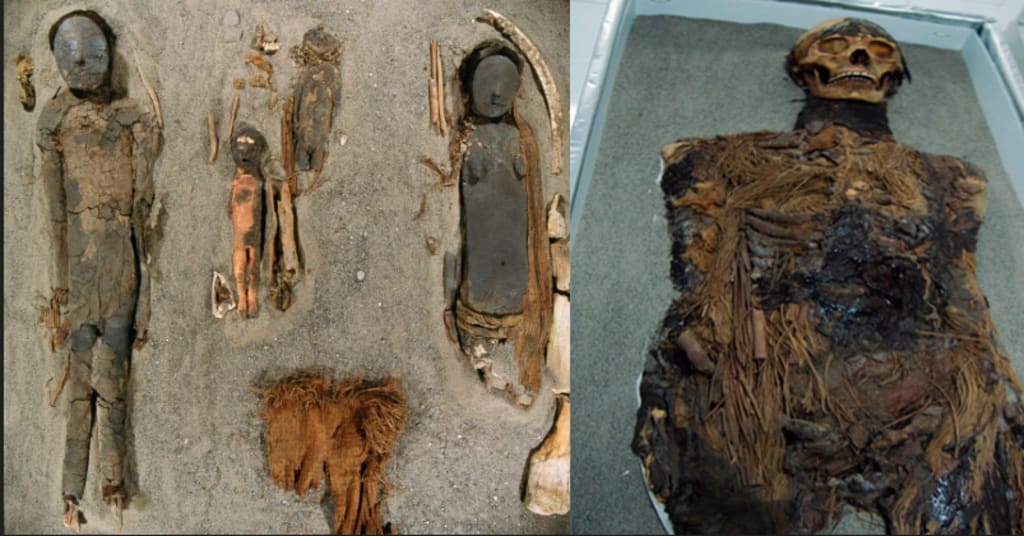
The Chinchorro mummies are some of the oldest mummies in the world, dating back over 7,000 years. They were created by the Chinchorro people, a pre-Columbian civilization that lived in the coastal regions of what is now Chile and Peru.
The Chinchorro mummies are known for their unique and intricate mummification process, which involved the removal of the flesh and internal organs and the preservation of the skin and bones.
The History of the Chinchorro People
The Chinchorro people lived along the coast of the Atacama Desert in what is now northern Chile and southern Peru from around 7000 BCE until around 1500 BCE. They were hunter-gatherers and fishermen who lived in small communities and built their homes from materials such as reeds, animal bones, and stones.
The Chinchorro people were very skilled in fishing and exploited the rich marine resources available to them, including sea lions, dolphins, and various species of fish.
The Process of Mummification
The Chinchorro mummification process was a complex and time-consuming process that involved the removal of the flesh and internal organs and the preservation of the skin and bones.
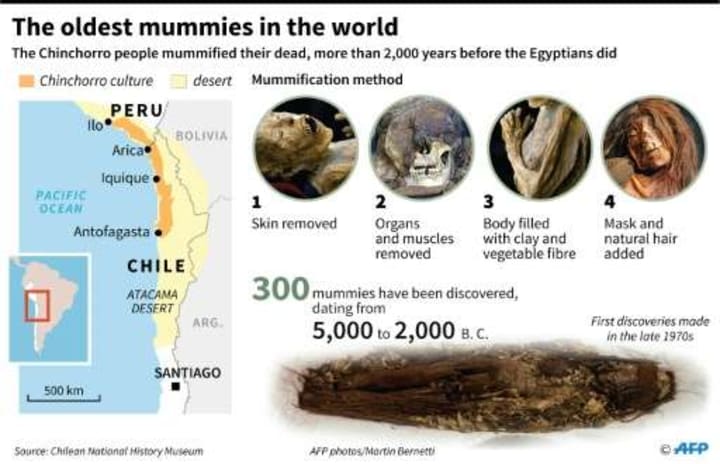
The mummification process was carried out by specialized individuals, who were likely members of a privileged class within Chinchorro society. The process of mummification began with the removal of the internal organs, which were then replaced with plant fibers or animal hair. The body was then dried in the sun and covered with a mixture of mud and ash. Finally, the body was wrapped in layers of animal skin or reeds.
The Different Types of Chinchorro Mummies
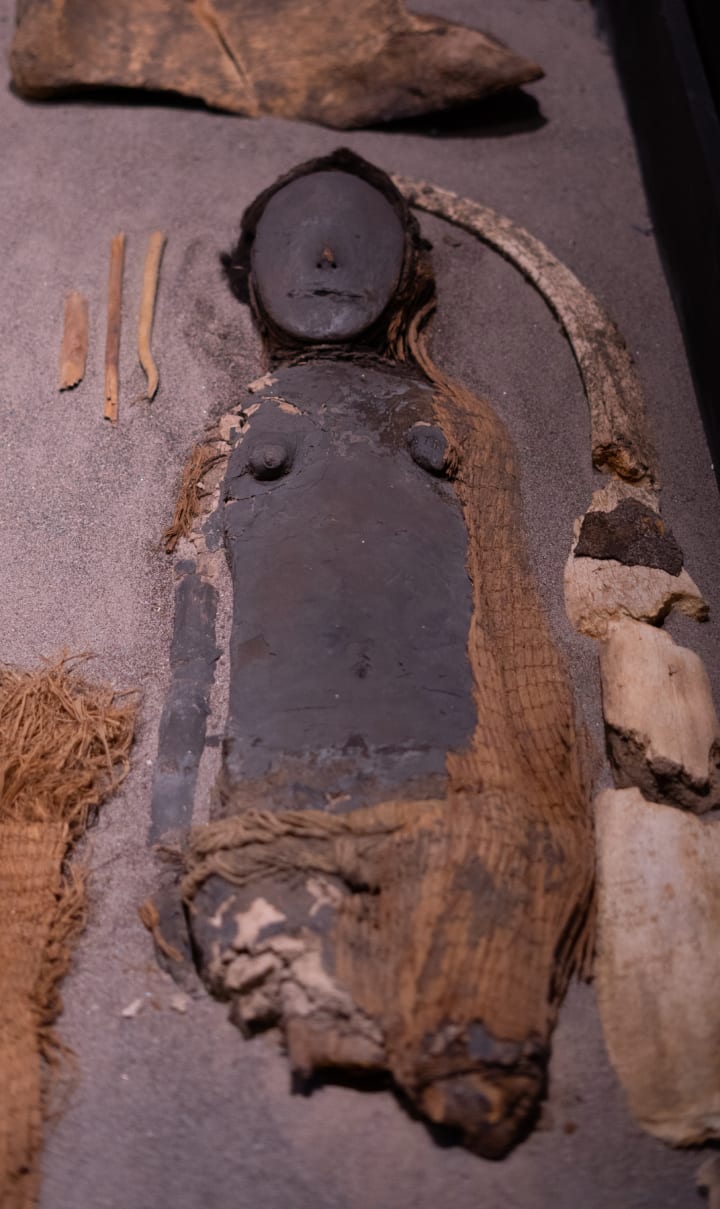
The Chinchorro mummies can be classified into two different types: the black mummies and the red mummies. The black mummies were created by a process called natural mummification, where the body was left to dry out in the sun.
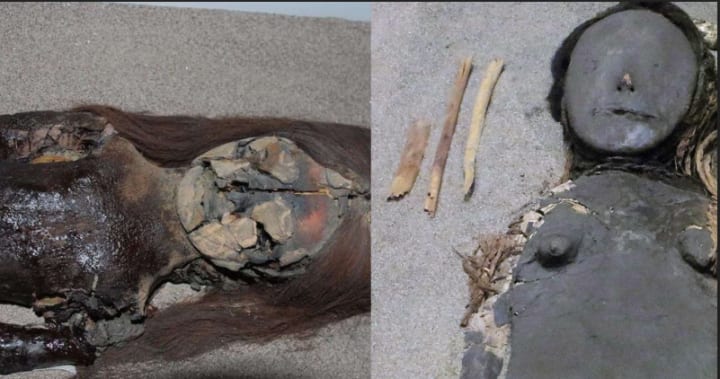
The red mummies were created by a more complex and involved mummification process, as described above. The red mummies were often more elaborately decorated and adorned than the black mummies.
Significance of the Chinchorro Mummies
The Chinchorro mummies are significant for a number of reasons. Firstly, they are some of the oldest mummies in the world, predating the Egyptian mummies by thousands of years.
Secondly, they provide valuable insights into the culture, beliefs, and practices of the Chinchorro people.
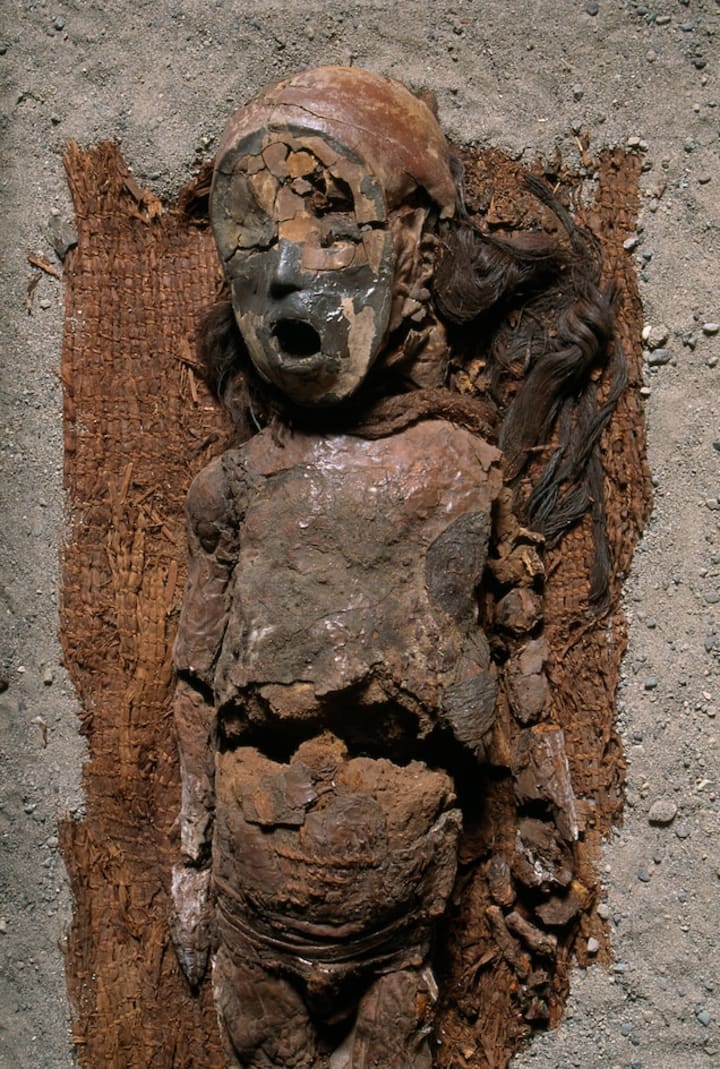
The mummies have revealed that the Chinchorro people had a complex worldview and believed in an afterlife. The mummies were likely created to ensure the safe passage of the deceased into the afterlife.
Finally, the Chinchorro mummies are significant because they demonstrate the incredible skill and knowledge of the Chinchorro people in the fields of medicine, anatomy, and preservation.
Preservation and Conservation of the Chinchorro Mummies
The preservation and conservation of the Chinchorro mummies is an ongoing concern for archaeologists and conservationists. The harsh desert environment has helped to preserve the mummies, but human activity, such as looting and environmental degradation, pose significant threats.
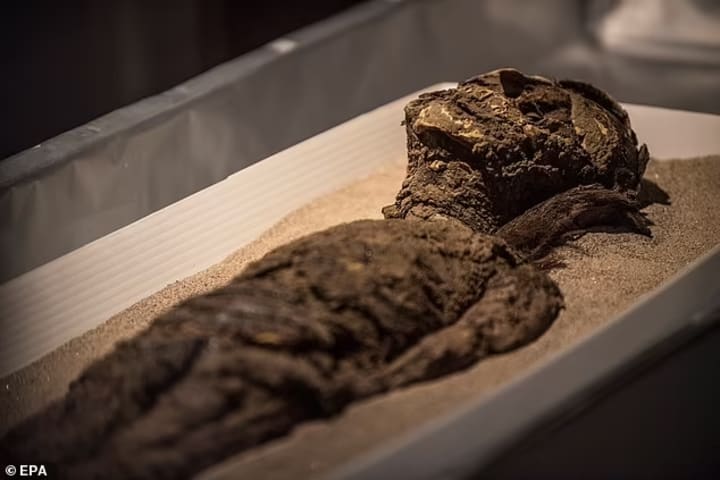
The mummies are also highly susceptible to damage from exposure to light, humidity, and temperature changes. As such, conservation efforts are focused on maintaining the integrity of the mummies while allowing for scientific study and public access.
There are a number of controversies surrounding the Chinchorro mummies. Firstly, there is debate over the ethics of studying and displaying human remains. Some argue that the mummies should be left undisturbed, while others argue that they provide valuable insights into the history and culture of the Chinchorro people. Additionally, there is controversy surrounding the ownership and control of the mummies. The mummies are currently held in museums and collections around the world, but there are calls for their repatriation to Chile and Peru.
About the Creator
Rare Stories
Our goal is to give you stories that will have you hooked.
This is an extension of the Quora space: Rare Stories
X(formerly Twitter): Scarce Stories
Writers:
....xoxo
Keep reading
More stories from Rare Stories and writers in Education and other communities.
How Intentional Listening Transforms Leadership and Team Excellence
Leadership has long been associated with decisiveness, direction, and the ability to articulate vision. While these qualities remain essential, the most effective leaders today are distinguished by a different capability: their ability to listen with intention. As workplaces become more collaborative and knowledge-driven, leadership success increasingly depends on understanding people rather than simply directing them. Intentional listening allows leaders to grasp not only what is being said, but also what remains unspoken. This deeper understanding strengthens relationships, improves decision-making, and fosters trust. In high-performing teams, listening is not passive but strategic, shaping how leaders connect with individuals and guide collective effort.
By Thomas Kuriakose, MD6 days ago in Education



Comments
There are no comments for this story
Be the first to respond and start the conversation.