
Unlocking Your Potential: 5 Must-Read Non-Fiction Books That Will Transform Your Thinking
Discover how reading non-fiction can revolutionize your life with these 5 must-read books. From understanding the history of humanity to mastering your thinking, changing your habits, embracing your inner introvert, and cultivating effective habits, these books offer valuable insights into some of the most important aspects of personal and professional success.

Introduction
The pursuit of personal growth and development is a journey that never ends. Whether you’re looking to improve your career prospects, relationships, or overall well-being, the key is to constantly seek new insights and knowledge that can help you unlock your full potential.
This article will discuss five must-read non-fiction books that can transform your thinking and help you achieve your goals. Each of these books offers a unique perspective on personal growth and development, and by reading them, you will gain valuable insights and practical strategies for achieving success in all areas of your life.
5 Game-Changing Non-Fiction Books
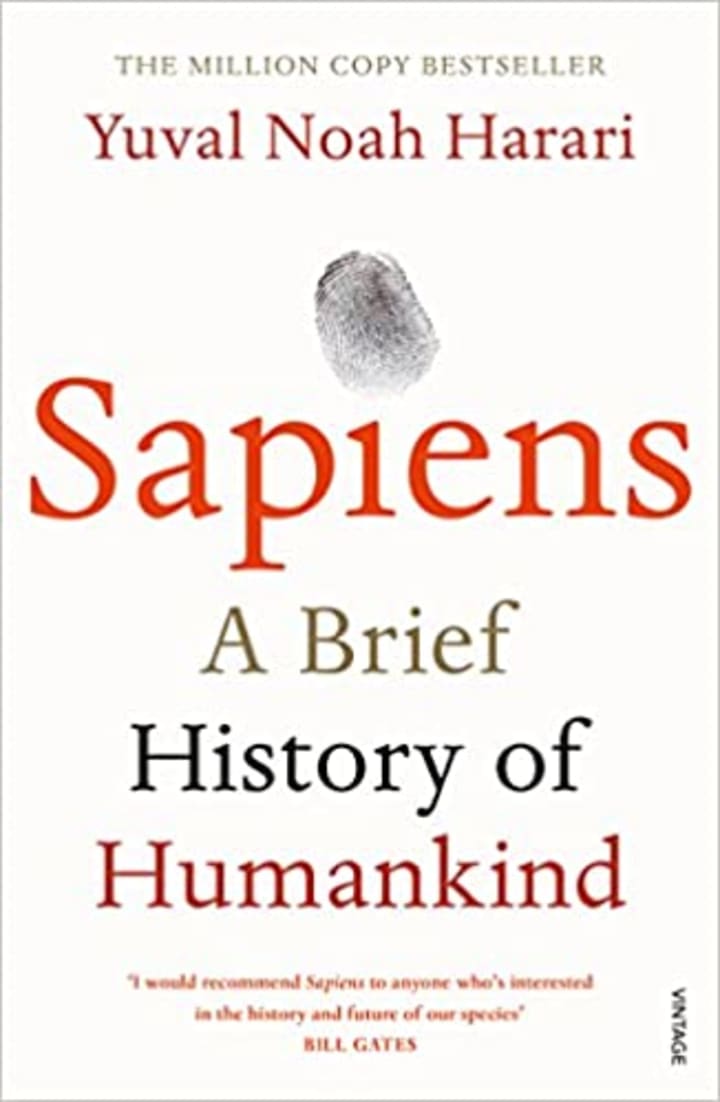
I. “Sapiens: A Brief History of Humankind” by Yuval Noah Harari is a non-fiction book that provides a fascinating overview of the history of our species, from the emergence of Homo sapiens in Africa to the present day. Harari explores key moments in human evolution and history, including the Agricultural Revolution, the rise of empires, and the Industrial Revolution. He also delves into the impact of religion, culture, and technology on human societies throughout history.
One of the key takeaways from “Sapiens” is the idea that many of the beliefs and practices that shape our world today are based on imagined realities, such as money, religion, and nations. Harari argues that these imagined realities are powerful tools for organizing human societies, but they can also be the source of conflict and division.
Another important takeaway is the role that biology has played in shaping human behavior and culture. Harari highlights the importance of understanding our biological roots in order to better understand the complexities of human society.
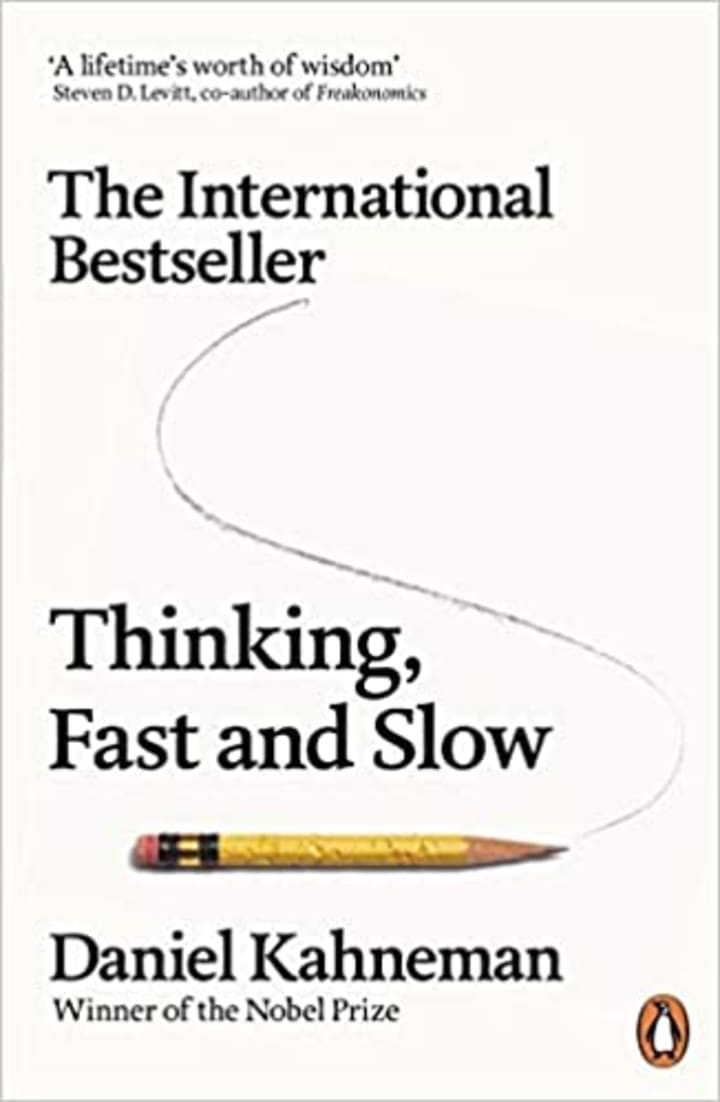
II. “Thinking, Fast and Slow” by Daniel Kahneman is a non-fiction book that explores the two different systems of thought that humans use: System 1 (fast, automatic, and emotional) and System 2 (slow, deliberate, and rational). Kahneman draws on decades of research in psychology and behavioural economics to explain how these two systems influence our decision-making, judgments, and biases.
One of the key takeaways from “Thinking, Fast and Slow” is the idea that our brains are wired to take shortcuts and make quick decisions based on limited information. These shortcuts can often lead to errors in judgment and decision-making, such as biases and overconfidence. By understanding the workings of our brains and the limitations of our thinking, readers can learn to make more rational and informed decisions.
Another important takeaway is the role of emotions in our decision-making processes. Kahneman argues that emotions play a powerful role in our thinking, even when we’re not aware of it. By recognizing and acknowledging our emotional responses, we can make better decisions and avoid making impulsive or irrational choices.
By reading “Thinking, Fast and Slow,” readers can gain valuable insights into how their minds work and how to make better decisions. The book offers practical strategies for overcoming cognitive biases, improving decision-making skills, and enhancing overall critical thinking.
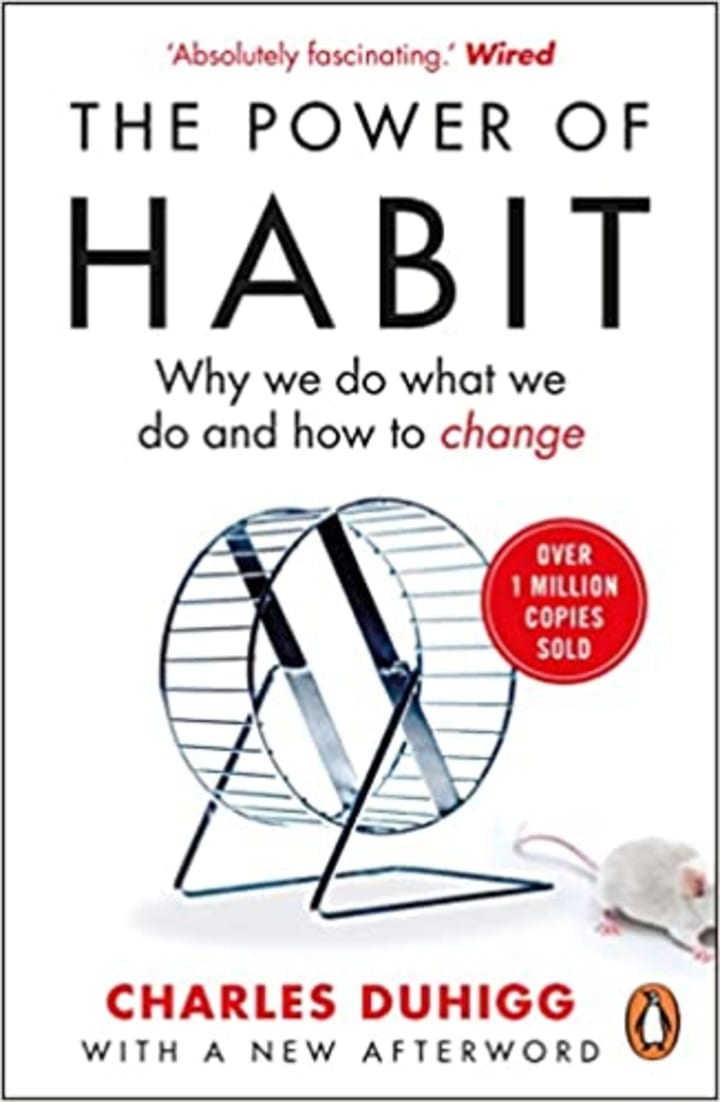
III. “The Power of Habit” by Charles Duhigg is a non-fiction book that explores the science of habit formation and its impact on our daily lives. Duhigg draws on research from psychology, neuroscience, and behavioral economics to explain how habits are formed, how they can be changed, and how they can have a profound impact on our personal and professional lives.
One of the key takeaways from “The Power of Habit” is the idea that habits are not simply a matter of willpower, but rather are deeply ingrained patterns of behavr that are shaped by cues, routines, and rewards. By understanding the structure of habits and the factors that influence them, readers can learn to identify and modify their own habits in order to achieve their goals.
Another important takeaway is the role of keystone habits in shaping our overall behavior. Duhigg argues that by identifying and changing a single keystone habit, such as exercise or meditation, we can trigger a cascade of positive changes in other areas of our lives.
Overall, “The Power of Habit” is a useful guide for anyone seeking to improve their personal or professional habits and achieve their goals. It provides a framework for understanding the underlying mechanics of habit formation and offers practical strategies for creating lasting change in our lives.
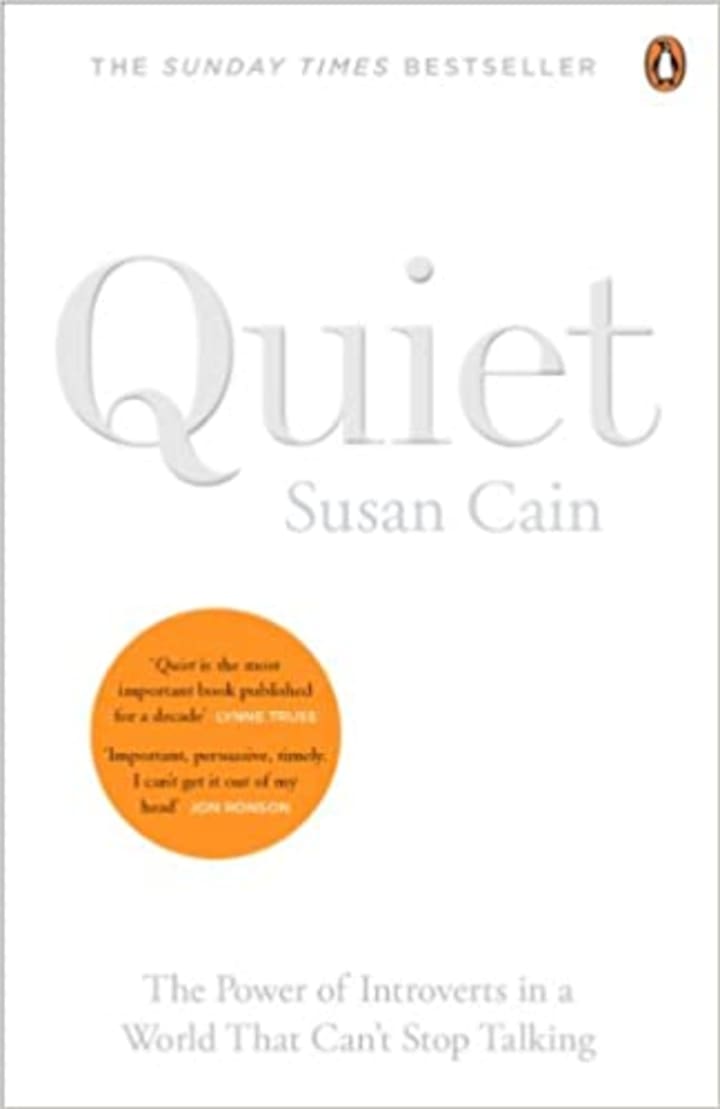
IV. “Quiet: The Power of Introverts in a World That Can’t Stop Talking” by Susan Cain is a non-fiction book that explores the role of introverts in society and challenges the idea that extroversion is the ideal personality trait. Cain draws on research from psychology, neuroscience, and sociology to argue that introverts have unique strengths and abilities that are often overlooked in a culture that values extroversion.
One of the key takeaways from “Quiet” is the idea that introverts have a lot to offer and that their strengths can be leveraged in many different areas. For example, introverts tend to be great listeners, thoughtful leaders, and deep thinkers. By recognizing and valuing the contributions of introverts, we can create a more balanced and inclusive society.
Another important takeaway is the role of the environment in shaping our personality and behavior. Cain argues that our culture tends to value extroversion and often creates environments that are geared towards extroverts, such as open-plan offices and group work. By understanding the impact of our environment on our behavior, we can create spaces that are more inclusive and welcoming to introverts.
Overall, “Quiet” is a valuable resource for anyone interested in understanding the role of introverts in society and creating more inclusive and balanced environments. It challenges the idea that extroversion is the ideal personality trait and encourages readers to recognize and value the contributions of introverts.
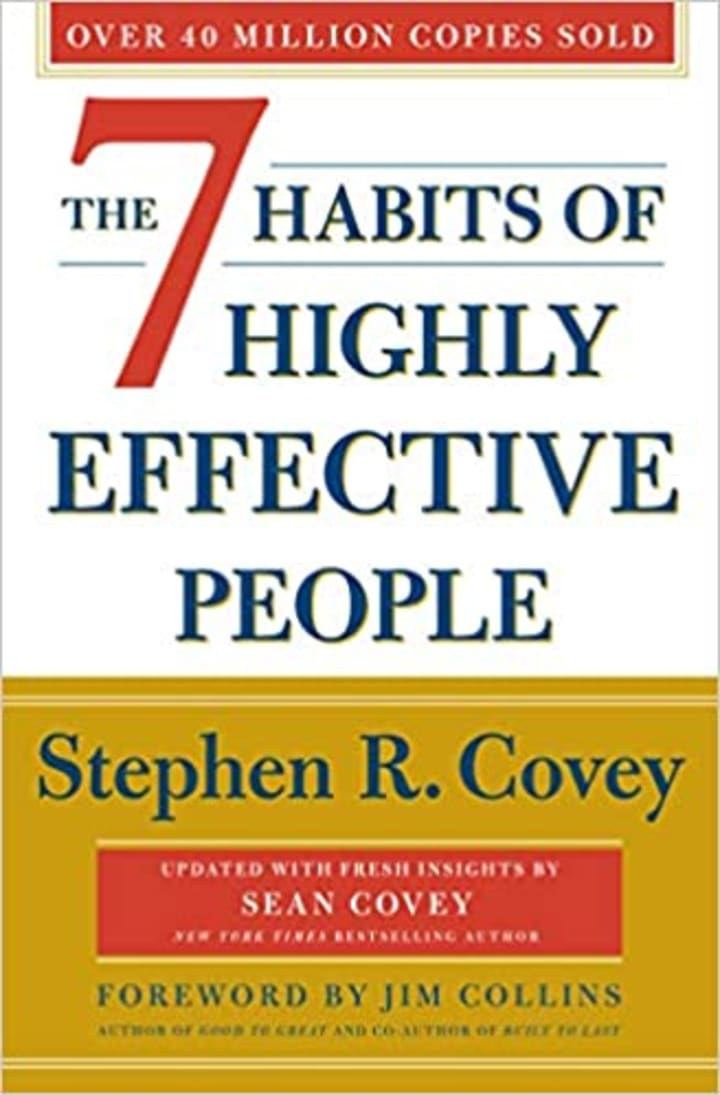
V. “The 7 Habits of Highly Effective People” by Stephen Covey is a self-help book that explores the habits and behaviors of successful people. Covey draws on his own experience as a business consultant and educator to outline seven principles for personal and professional success.
One of the key takeaways from “The 7 Habits of Highly Effective People” is the idea that success is not just about achieving specific goals, but about developing a mindset and a set of habits that support ongoing growth and development. Covey argues that by cultivating habits such as proactive behavior, effective communication, and continuous learning, individuals can create a foundation for lasting success in all areas of life.
Another important takeaway is the role of values in shaping our behavior and decision-making. Covey encourages readers to identify and prioritize their core values, and to use these values as a guide for their actions and choices.
Overall, “The 7 Habits of Highly Effective People” is a useful guide for anyone seeking to improve their personal and professional effectiveness. It provides a framework for understanding the habits and behaviors of successful people and offers practical strategies for developing these habits in one’s own life.
Conclusion
In this article, we have discussed five non-fiction books that can transform your thinking and unlock your potential. These books include “Sapiens: A Brief History of Humankind” by Yuval Noah Harari, “Thinking, Fast and Slow” by Daniel Kahneman, “The Power of Habit” by Charles Duhigg, “Quiet: The Power of Introverts in a World That Can’t Stop Talking” by Susan Cain, and “The 7 Habits of Highly Effective People” by Stephen Covey. Each of these books offers unique insights into human behavior, society, and personal development. From understanding the history of our species to mastering the habits of successful people, these books provide practical tools and strategies for unlocking your potential and achieving your goals.
Non-fiction reading can be a powerful tool for personal growth and development. By exposing ourselves to new ideas, perspectives, and insights, we can expand our knowledge and understanding of the world around us. Non-fiction books can challenge our assumptions, inspire us to take action and provide practical strategies for achieving our goals.
If you are looking to unlock your potential and transform your thinking, we encourage you to check out the five non-fiction books discussed in this article. Each of these books has the potential to expand your understanding of the world and help you achieve your goals. So take action today, pick up one of these books, and start your jou
About the Creator
Keep reading
More stories from writers in Education and other communities.




Comments
There are no comments for this story
Be the first to respond and start the conversation.