
Unlocking the World of Non-Fungible Tokens (NFTs): Understanding the Basics, Opportunities, and Impacts
Exploring the Revolutionary Technology and Creative Possibilities of NFTs in the Digital Age
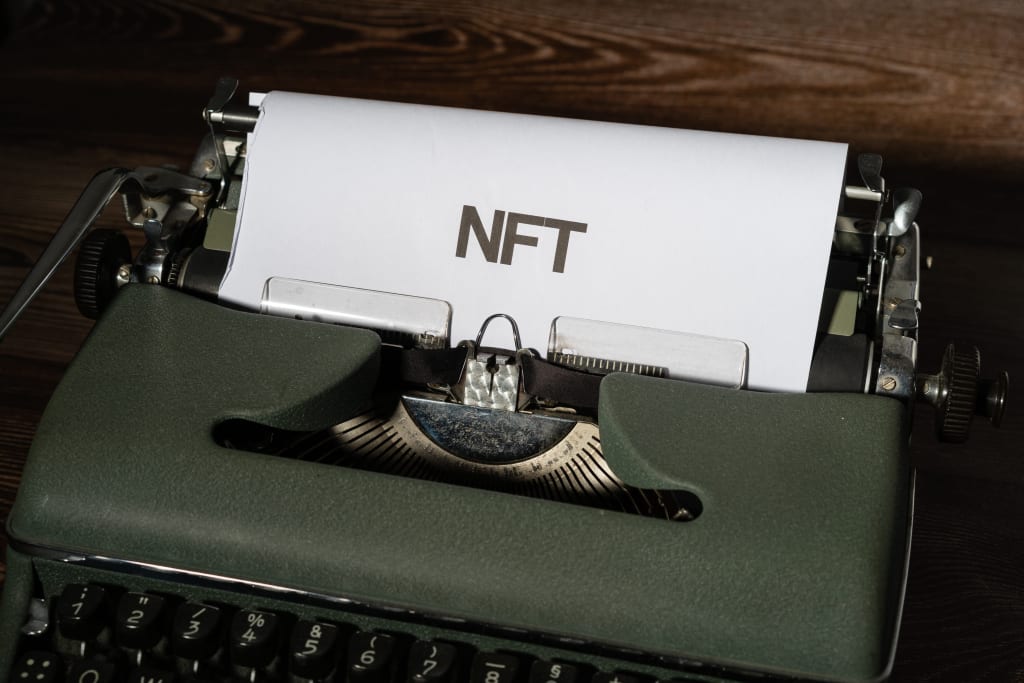
NFTs, or non-fungible tokens, have been making headlines in the world of art and collectibles. These digital assets have exploded in popularity and value over the past few years, but what exactly are they, and why are they so valuable?
To understand NFTs, we first need to understand the concept of fungibility. Fungibility refers to the ability of an asset to be exchanged for another asset of the same type and value. For example, a $100 bill is fungible because it can be exchanged for another $100 bill, and they are of equal value. On the other hand, a unique work of art or a rare baseball card is not fungible, because each item is one-of-a-kind and cannot be exchanged for something of equal value.
This is where NFTs come in. NFTs are unique digital assets that are stored on a blockchain, which is a decentralized digital ledger that records transactions. Each NFT is one-of-a-kind, and it cannot be replicated or exchanged for another NFT of equal value. This uniqueness makes NFTs valuable, especially in the world of digital art and collectibles.
NFTs can take many forms, from digital art to music, videos, and even tweets. To create an NFT, an artist or creator will mint it on a blockchain, typically the Ethereum blockchain. This creates a digital certificate of ownership, which verifies that the NFT is authentic and unique. The NFT can then be bought and sold on various online marketplaces, such as OpenSea or Nifty Gateway.
The value of an NFT is determined by its scarcity, authenticity, and demand. Just like with physical art or collectibles, the rarer and more unique an NFT is, the more valuable it becomes. Additionally, the creator's reputation and the demand for the NFT can also impact its value. For example, an NFT created by a well-known artist or musician may be more valuable than one created by an unknown creator.
One of the benefits of NFTs is that they provide a new way for artists and creators to monetize their work. In the past, digital art and other digital creations could easily be copied and distributed without the creator receiving any compensation. With NFTs, creators can sell their work as a unique, one-of-a-kind asset, which provides them with a new revenue stream.
However, there are also concerns about the environmental impact of NFTs. The process of minting an NFT requires a significant amount of energy, which contributes to carbon emissions. Some artists and creators are now exploring alternative ways of creating NFTs that are more environmentally friendly.
In conclusion, NFTs are unique digital assets that are stored on a blockchain and cannot be replicated or exchanged for another NFT of equal value. They have become increasingly popular in the world of digital art and collectibles, providing creators with a new way to monetize their work. While there are concerns about the environmental impact of NFTs, they are likely to continue to grow in popularity and value in the coming years.
NFTs, or non-fungible tokens, are unique digital assets that are stored on a blockchain. Unlike fungible assets like cash or cryptocurrencies, NFTs cannot be exchanged for something of equal value. They have become increasingly popular in the world of digital art and collectibles, providing creators with a new way to monetize their work. NFTs can take many forms, from digital art to music, videos, and even tweets. Each NFT is one-of-a-kind, and it cannot be replicated or exchanged for another NFT of equal value. While there are concerns about the environmental impact of NFTs, they are likely to continue to grow in popularity and value in the coming years
About the Creator
Keep reading
More stories from Taha Cenk Ünal and writers in Education and other communities.
5 Simple Habits to Improve Your Fitness
Fitness is an important aspect of a healthy lifestyle. But with busy schedules and constant distractions, it can be challenging to stay on track with your fitness goals. The good news is that small changes to your daily routine can go a long way in improving your fitness levels. Here are five simple habits that you can adopt to boost your fitness:
By Taha Cenk Ünal3 years ago in Education
What Business Leaders Can Learn From Elite Athletes Today
Elite athletes perform under intense pressure. They train for years to master their skills, stay focused, and win. Business leaders face their own kind of pressure. They must lead teams, hit targets, and stay ahead in the market. While the settings are different, the mindset of a champion athlete can offer valuable lessons for anyone leading a business today.
By Adam Adler3 days ago in Education



Comments
There are no comments for this story
Be the first to respond and start the conversation.