
Unlocking The World
Discovering the Wonders and possibilities of the Electronics
Introduction:
Electronics is a captivating field that plays an essential role in shaping the modern world. From the smartphones we rely on to the advanced medical devices saving lives, understanding electronics is crucial for anyone seeking to comprehend the inner workings of our technology-driven society. In this article, we will embark on a journey through the exciting realm of electronics, providing a comprehensive guide for students eager to learn and explore this fascinating discipline.
1. The Fundamentals of Electronics:
1.1 Basic Concepts:
o Voltage, current, and resistance: understanding the relationship between these fundamental quantities.
o Ohm's Law: exploring the mathematical relationship between voltage, current, and resistance.
o Circuit elements: resistors, capacitors, and inductors.
1.2 Electronic Components:
• Semiconductors: diodes and transistors.
• Passive components: resistors, capacitors, and inductors.
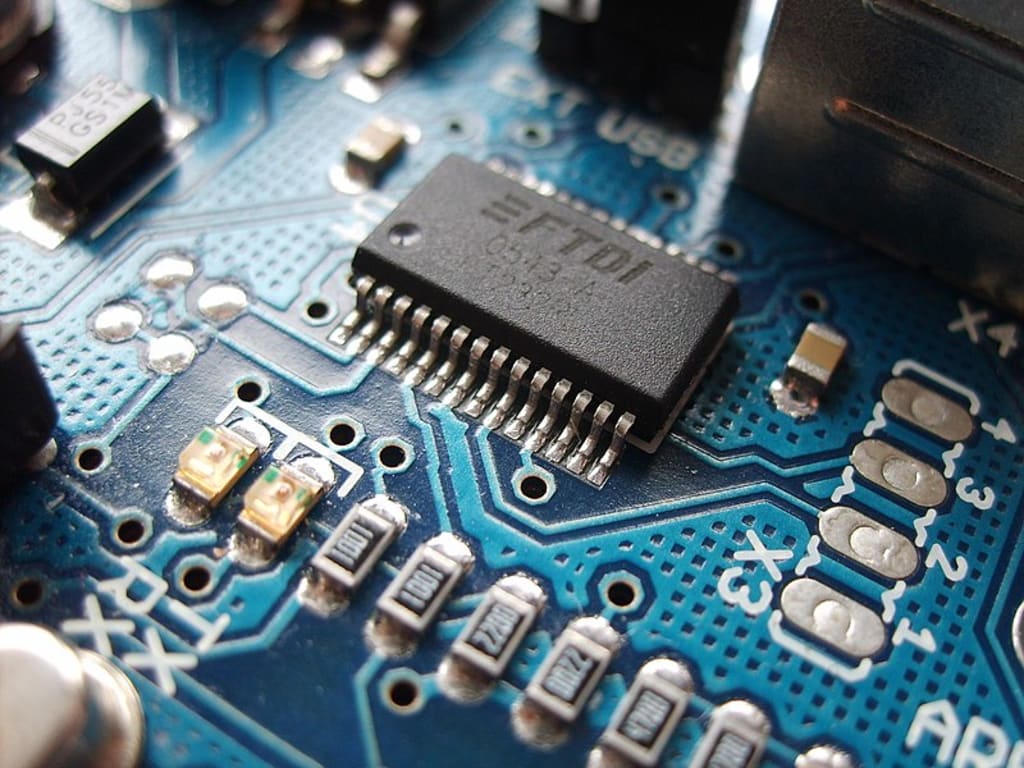
• Integrated circuits: microchips and their applications.
2. Circuit Analysis:
2.1 Circuit Laws:
o Kirchhoff's Laws: understanding how to apply Kirchhoff's voltage and current laws to analyze circuits.
o Series and parallel circuits: calculating equivalent resistance, current, and voltage.
o Node and mesh analysis: systematic methods for analyzing complex circuits.
2.2 Circuit Analysis Techniques:
•Thevenin and Norton equivalent circuits: simplifying complex circuits for analysis.
•Superposition: analyzing circuits with multiple sources by considering their individual effects.
•Transient analysis: understanding circuit behavior during switching events.
3. Electronic Devices and Applications:
3.1 Diodes and Transistors:
o Diode characteristics and applications: rectification, clipping, and clamping circuits.
o Transistors: understanding bipolar junction transistors (BJTs) and field-effect transistors (FETs).
3.2 Amplifiers:
• Amplifier fundamentals: gain, frequency response, and distortion.
• Operational amplifiers (Op-Amps): applications in amplification, filtering, and signal processing.
3.3 Digital Electronics:
• Logic gates: understanding AND, OR, NOT, and their combinations.
• Flip-flops: building blocks for sequential circuits.
• Combinational and sequential logic: designing basic digital circuits.
4.Practical Skills and Projects:
4.1Prototyping and Breadboarding:
oCircuit prototyping: using breadboards, wires, and components.
oSoldering techniques: essential skills for assembling electronic circuits.
4.2 Circuit Simulation:
• Software tools for circuit simulation and design.
• Virtual experimentation: simulating and analyzing circuit behavior.
4.3 Electronics Projects:
• Building a basic power supply.
• Designing a simple audio amplifier.
• Constructing a digital thermometer.
Conclusion:
Electronics is a captivating field that combines theory with hands-on experimentation, allowing students to apply their knowledge and creativity to real-world applications. By understanding the fundamentals, circuit analysis techniques, electronic devices, and engaging in practical projects, students can unlock the vast possibilities of electronics. As they dive into this exciting discipline, they will discover a world of endless opportunities and pave the way for future innovation and technological advancements. So, embark on this journey of discovery and let electronics be your guide to a world of endless possibilities.
Advantages of Electronics:
1.Automation and Efficiency: Electronics enable automation, reducing manual effort and increasing efficiency in various industries. Automated systems can perform tasks more accurately, quickly, and tirelessly than humans, leading to improved productivity.
2.Communication and Connectivity: Electronics have revolutionized communication, allowing people to connect and share information across the globe. From smartphones to the internet, electronic devices have made communication faster, easier, and more accessible than ever before.
3.Information Storage and Retrieval: Electronic devices enable vast amounts of information to be stored and retrieved quickly. Digital storage media such as hard drives, solid-state drives, and cloud storage provide efficient and reliable means to store data, making it easily accessible whenever needed.
4.Miniaturization and Portability: Electronics have become increasingly compact and portable over time. Devices such as laptops, smartphones, and wearable gadgets allow people to carry powerful computing technology with them, enhancing convenience and mobility.
5.Medical Advancements: Electronics have significantly impacted the medical field, leading to advanced diagnostic tools, life-saving equipment, and improved patient care. Technologies like medical imaging devices, pacemakers, and artificial organs have revolutionized healthcare and saved countless lives.
Disadvantages of Electronics:
1.Environmental Impact: The production and disposal of electronic devices contribute to environmental challenges. E-waste, containing hazardous materials like lead, mercury, and cadmium, poses risks if not properly managed. Furthermore, the energy consumption of electronic devices contributes to carbon emissions and resource depletion.
2.Dependency and Addiction: The widespread use of electronics has led to dependency and addiction issues. Excessive screen time, internet addiction, and social media obsession can have negative effects on mental health, social interactions, and overall well-being.
3.Privacy and Security Concerns: Electronics store vast amounts of personal and sensitive information, making them potential targets for cybercrime and privacy breaches. Data breaches, identity theft, and online scams are significant concerns in the digital age.
4.Technological Obsolescence: Electronics rapidly advance, leading to frequent obsolescence of older devices. This creates a consumer culture focused on constant upgrades and disposal of outdated technology, contributing to e-waste and resource consumption.
5.Health Effects: Prolonged exposure to electronic devices, particularly screens, can lead to health issues such as eye strain, disrupted sleep patterns, and sedentary behavior. Additionally, electromagnetic radiation emitted by certain devices has raised concerns, although research on their long-term effects is still ongoing.
About the Creator
Implications for Custody Arrangements in Early Childhood
Timotheus Homas Abstract Custody arrangements during early childhood can profoundly influence attachment formation and long-term developmental outcomes. This article examines how disruptions in attachment relationships—whether due to custody changes, visitation conflicts, or parental separation—affect emotional, social, and cognitive development. Drawing on empirical research and legal scholarship, the paper argues that family courts often underestimate the developmental risks associated with unstable caregiving environments. By integrating attachment theory with custody jurisprudence, the article advocates for a developmentally informed application of the “best interests of the child” standard that prioritizes relational stability alongside parental rights.
By Emma Wegenastabout 9 hours ago in Education
The Golden Crust China’s $132 Billion Bakery Revolution in 2026
For centuries, the Chinese breakfast was defined by steamed buns and rice congee, but in 2026, the aroma of sourdough and artisanal pastries is taking over the streets of Beijing and Shanghai. China’s bakery industry has transitioned from a niche curiosity into a massive economic powerhouse. According to the latest research, the China bakery products market size reached USD 91.7 Billion in 2025 and is now on a high-velocity path to reach USD 132.7 Billion by 2034. With a steady CAGR of 4.20% during 2026-2034, China is not just consuming bread; it is redefining the global standards of "East-meets-West" patisserie.
By Neeraj kumar4 days ago in Education
A Letter to the Firestarter
Dear Firestarter, We can all see you, we've been watching you since you began. In case you didn't know we were here before you and we will be here after. We witnessed your rise, your setbacks, your guilt and your lies. We witnessed you start the fire.
By Donny Foley7 days ago in Poets




Comments
There are no comments for this story
Be the first to respond and start the conversation.