
Unlocking the Mysteries of Memory: A Journey Through the Brain's Intricacies
Memory mystery

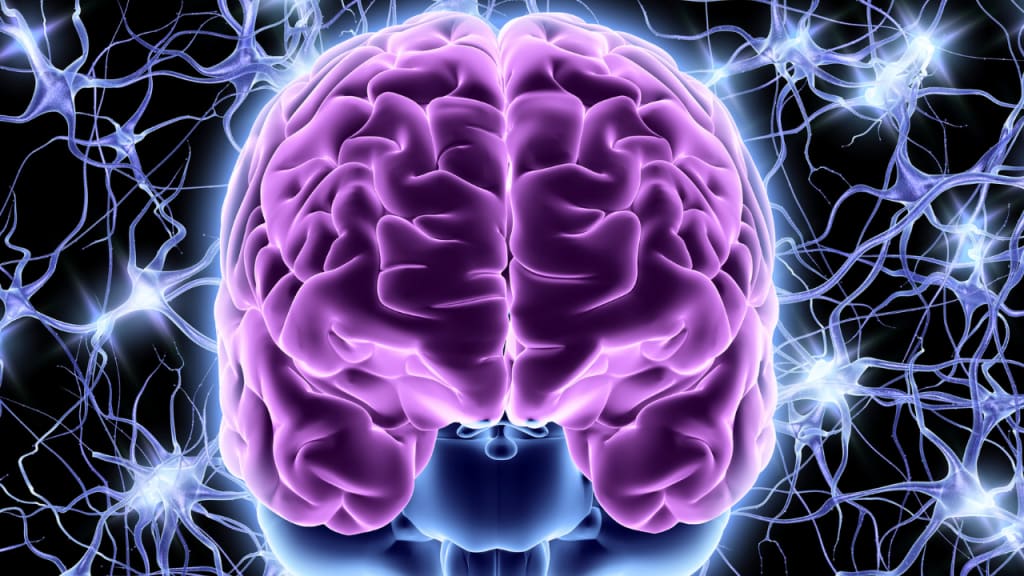
Sherlock Holmes, the iconic detective, postulated a theory that likened the brain to an attic, suggesting a finite capacity for memories. In a witty exchange with Dr. Watson about the Earth's orbit, Holmes expressed a desire to forget non-essential information, emphasizing the importance of prioritizing crucial details over random facts.
The question arises: Was Holmes correct in his analogy? Is human memory indeed limited, comparable to a computer's storage capacity? Or does it possess an unlimited potential? And, if perfect memory were achievable, what would life be like without the natural process of forgetting?
Exploring these inquiries delves into the intricate workings of memory, its potential constraints, and the implications of a hypothetical state where every detail is indelibly etched in our minds.
Our memory is a complex and fascinating aspect of human cognition, far from resembling the straightforward storage system of a computer. Instead, it's a network of neurons scattered throughout the brain, working in harmony to create and retrieve memories.
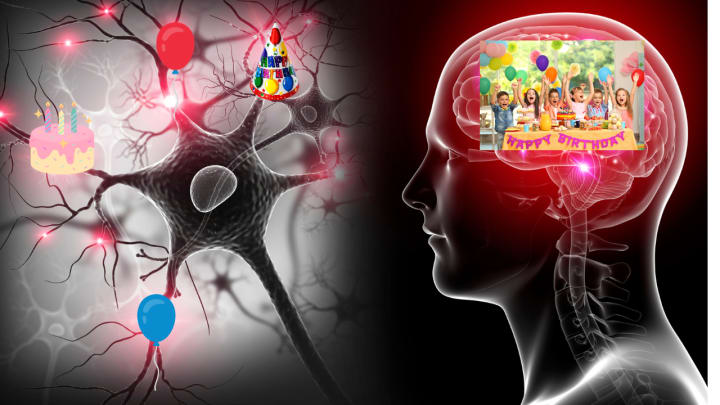
For example, Consider the memory of a childhood birthday party. Different clusters of neurons fire to recall the colorful decorations, the laughter of friends, and the taste of the birthday cake. Some neurons might be responsible for the excitement you felt while unwrapping presents, while others recreate the familiar faces of loved ones. Yet, despite the vividness of this memory, it's crucial to understand that it isn't a tangible entity residing in a specific brain cell. Instead, it's a distributed network of neurons collaborating to reconstruct the various elements that made that birthday celebration special.

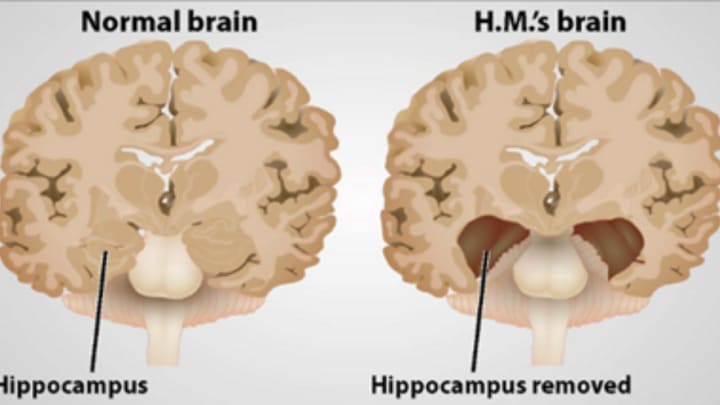
The hippocampus, often likened to a seahorse, plays a crucial role in memory formation. However, the intriguing case of patient H.M., whose hippocampus was mostly removed in a 1953 surgery, revealed that memory isn't stored there. Memories are actions, not tangible entities, formed when interconnected neurons fire in specific patterns.
The process of consolidation helps commit new memories to long-term storage. It involves the replay of experiences in the brain, strengthening connections between neurons. Smells, sounds, or sights can trigger these memories, illustrating the dynamic nature of our recollections.
Despite the intricacies of memory formation, forgetting is as vital as remembering. Memories can fade over time, a phenomenon known as "passive oblivescence." Moreover, targeted forgetting occurs during sleep, where the brain clears out unnecessary information and updates outdated memories. Motivated forgetting, a deliberate suppression of unpleasant memories, serves as a mechanism to regulate emotions and focus on the present.
While the brain has ingenious ways of remembering, it also has mechanisms for intentional forgetting. This ability is crucial for moving past traumatic events and clearing out mental clutter. Imagine the overload if our brains didn't sweep out irrelevant information regularly.
In the scientific realm, there are rare cases of individuals with hyperthymesia, a condition where they remember everything. However, it comes with challenges, as vividly demonstrated by Jill Price. Her perfect memory includes every detail of her life, causing her to be haunted by regrets and upsetting memories.
The question of erasing unwanted memories leads us to the intriguing world of electroconvulsive therapy (ECT). While it has been depicted in popular media, ECT's effects on memory are not selective, underscoring the delicate balance between remembering and forgetting.
In essence, the intricate dance of memory and forgetting is a fundamental aspect of the human experience. Our ability to remember and learn from significant events has been crucial for survival. Simultaneously, the capacity to forget is equally essential, allowing us to move forward, clear mental clutter, and adapt to new information. As we delve deeper into the mysteries of our cognitive processes, the delicate interplay between memory and forgetting continues to captivate our curious minds.
In essence, the intricate dance of memory and forgetting is a fundamental aspect of the human experience. Our ability to remember and learn from significant events has been crucial for survival. Simultaneously, the capacity to forget is equally essential, allowing us to move forward, clear mental clutter, and adapt to new information. As we delve deeper into the mysteries of our cognitive processes, the delicate interplay between memory and forgetting continues to captivate our curious minds.
In essence, the intricate dance of memory and forgetting is a fundamental aspect of the human experience. Our ability to remember and learn from significant events has been crucial for survival. Our ability to remember and learn from significant events has been crucial for survival.
About the Creator
Keep reading
More stories from writers in Education and other communities.
Best Laptop for Photoshop
Imagine opening Photoshop and your laptop slows down before you even start editing. That stops today. In this blogpost, we’re going through the best laptops for Photoshop that give you smooth performance, fast rendering, and bright color-accurate screens.
By Tab Delitea day ago in Education
Implications for Custody Arrangements in Early Childhood
Timotheus Homas Abstract Custody arrangements during early childhood can profoundly influence attachment formation and long-term developmental outcomes. This article examines how disruptions in attachment relationships—whether due to custody changes, visitation conflicts, or parental separation—affect emotional, social, and cognitive development. Drawing on empirical research and legal scholarship, the paper argues that family courts often underestimate the developmental risks associated with unstable caregiving environments. By integrating attachment theory with custody jurisprudence, the article advocates for a developmentally informed application of the “best interests of the child” standard that prioritizes relational stability alongside parental rights.
By Emma Wegenast4 days ago in Education




Comments
There are no comments for this story
Be the first to respond and start the conversation.