
Unlock Your Inner Strength: The Ultimate Guide to Building Mental Toughness and Resilience
What Mental Toughness and Resilience Really Mean (And Why They Matter) & Transform Your Mindset: How a Growth Mentality Fuels Your Success

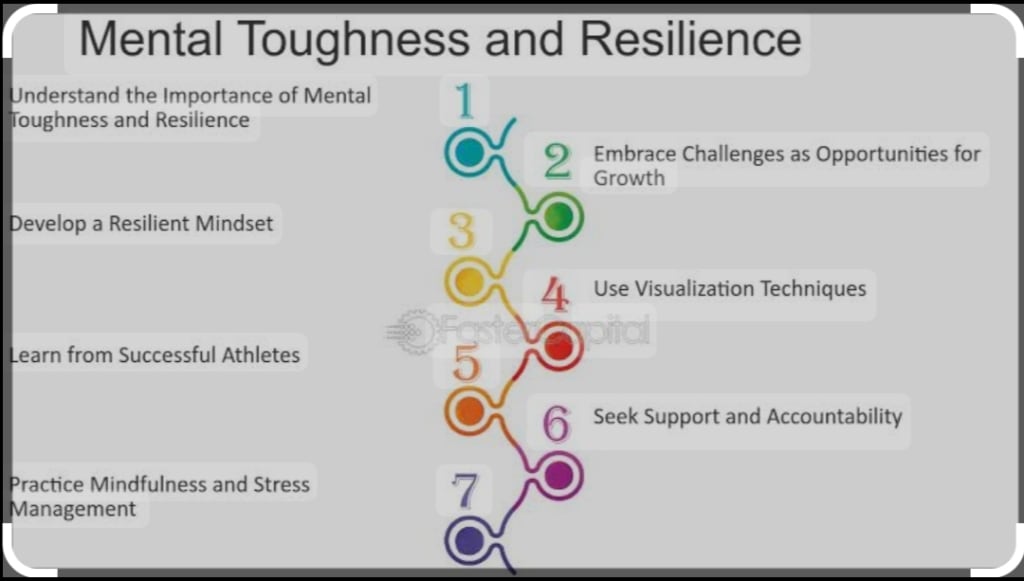
Mental toughness and resilience are crucial qualities that can help individuals navigate challenges, overcome obstacles, and achieve personal and professional success. Whether you're facing adversity in your career, personal life, or health, building mental toughness allows you to cope with stress, stay focused on your goals, and keep moving forward despite difficulties. In this article, we will explore practical strategies for developing mental toughness and resilience, along with the mindset shifts needed to thrive under pressure.
### What is Mental Toughness?
Mental toughness is the ability to stay calm and focused, to persist through adversity, and to maintain a positive outlook even in the face of setbacks. It is often associated with athletes who push themselves beyond their limits, but mental toughness is applicable in any aspect of life. Whether it's maintaining composure during a difficult conversation, staying productive when motivation wanes, or recovering from a career setback, mental toughness allows you to respond constructively.
### What is Resilience?
Resilience, on the other hand, is the ability to bounce back after facing hardship, trauma, or failure. It is the quality that allows individuals to face tough situations, endure stress, and recover quickly. Resilience is about building inner strength and adaptability, which helps you maintain stability and mental well-being in challenging times. Both mental toughness and resilience are interconnected and can be developed through consistent practice and the right mindset.
### Steps to Building Mental Toughness and Resilience
1. **Develop a Growth Mindset**
The first step in building mental toughness and resilience is cultivating a growth mindset. This concept, coined by psychologist Carol Dweck, refers to the belief that abilities and intelligence can be developed through effort, learning, and perseverance. People with a growth mindset view challenges as opportunities for growth rather than insurmountable obstacles. They understand that failure is a natural part of the learning process and not an indicator of their worth or abilities.
To adopt a growth mindset:
- Embrace challenges as opportunities to grow.
- Learn from mistakes and use them as stepping stones to success.
- Focus on effort and progress rather than immediate outcomes.
- Replace self-doubt with curiosity and a desire to improve.
2. **Practice Self-Awareness**
Mental toughness and resilience are rooted in self-awareness. To develop these qualities, you need to be in tune with your thoughts, emotions, and behaviors, especially in high-stress situations. Self-awareness allows you to recognize when you’re feeling overwhelmed, frustrated, or discouraged, and it gives you the opportunity to take a step back and regain control.
To improve self-awareness:
- Pay attention to your thoughts and feelings throughout the day.
- Reflect on how you respond to stress and challenges.
- Use journaling as a tool to process emotions and track your progress.
- Practice mindfulness techniques like meditation or deep breathing to stay present.
3. **Set Realistic and Challenging Goals**
One of the most effective ways to build mental toughness is by setting clear, realistic, and challenging goals. Goals give you direction and purpose, and working toward them provides a sense of achievement, which strengthens resilience. The key is to break your goals into manageable steps so that you can build momentum and avoid feeling overwhelmed by large tasks.
To set goals that foster mental toughness:
- Use the SMART framework: Specific, Measurable, Achievable, Relevant, and Time-bound.
- Focus on progress, not perfection.
- Celebrate small victories along the way to stay motivated.
- Be flexible and adjust your goals as needed based on changing circumstances.
4. **Embrace Discomfort**
Building mental toughness requires stepping out of your comfort zone regularly. While it's easy to avoid discomfort, the ability to face discomfort head-on and push through it is what differentiates mentally tough individuals. This might mean taking on challenges that stretch your limits or confronting situations that make you anxious. By intentionally seeking discomfort, you can develop the resilience needed to handle life's inevitable challenges.
To embrace discomfort:
- Set yourself challenges that push your limits, such as taking on a difficult project or learning a new skill.
- Face your fears by gradually exposing yourself to situations that make you uncomfortable.
- Recognize that discomfort is often a sign of growth and transformation.
5. **Cultivate Emotional Regulation**
Emotions can cloud your judgment, reduce your ability to think clearly, and hinder your progress during difficult times. Cultivating emotional regulation is vital for mental toughness because it allows you to control your reactions and make decisions based on logic and long-term goals, rather than impulse or frustration. This skill enables you to stay calm and collected in high-pressure situations, making it easier to persevere through challenges.
To develop emotional regulation:
- Practice deep breathing techniques when you feel stressed or overwhelmed.
- Use positive affirmations to shift your mindset during tough times.
- Take time to pause and reflect before responding in emotionally charged situations.
- Develop healthy coping mechanisms, such as exercise or creative hobbies, to release negative emotions.
6. **Build a Support System**
Resilience is not about going it alone—it's about knowing when to ask for help and seeking support from others. Building a strong support system of friends, family, mentors, or colleagues can help you stay resilient when life gets tough. Surrounding yourself with positive influences who can provide encouragement, perspective, and advice helps you navigate difficult situations more effectively.
To build a support system:
- Nurture relationships with people who share your values and interests.
- Seek out mentors or role models who can guide you through challenges.
- Reach out for help when you feel overwhelmed or need advice.
- Be open to offering support to others, which can strengthen the mutual bond and sense of community.
7. **Focus on the Present Moment**
When facing adversity, it's easy to get caught up in the “what ifs” or dwell on past mistakes. Mental toughness requires you to focus on the present moment, where you have the power to make decisions and take action. By staying present, you can avoid feeling paralyzed by fear or regret, and instead focus on what you can control right now.
To focus on the present moment:
- Practice mindfulness techniques, such as deep breathing or grounding exercises.
- Break tasks down into smaller, manageable steps to avoid feeling overwhelmed.
- Avoid overthinking or ruminating on past failures by focusing on your current actions.
- Cultivate gratitude by reflecting on the positive aspects of your life.
### Conclusion
Building mental toughness and resilience is not an overnight process—it takes time, effort, and consistent practice. By adopting a growth mindset, setting challenging goals, embracing discomfort, regulating emotions, building a support system, and staying focused on the present, you can strengthen your ability to cope with life’s challenges. With mental toughness and resilience, you’ll find it easier to navigate adversity, recover from setbacks, and achieve long-term success.
About the Creator
Nora Ariana
Empowering through stories and sound igniting purpose, sparking growth, and awakening the power within.
Keep reading
More stories from Nora Ariana and writers in Education and other communities.
A goal is a dream with a deadline
A goal is a dream with a deadline. This powerful quote reminds us that without action, dreams remain just that wishes floating in our imagination. But when we set a timeline and commit to achieving them, they evolve into goals, bringing clarity, direction, and purpose. Many people go through life holding on to dreams, hoping they will come true someday. But someday is not a day on the calendar. Dreams without structure often fade with time or get buried under the weight of daily responsibilities. Turning a dream into a goal is what separates those who achieve from those who continue to wish.
By Nora ArianaExclusive • 9 months ago
Leading Beyond Limits: The Role of Executive Leadership in Achieving Organizational Excellence
In today’s dynamic and competitive business landscape, organizations are constantly pursuing not just growth but excellence. While growth reflects success in the marketplace, true organizational excellence is measured by sustainability, innovation, culture, and impact. At the core of this transformation is executive leadership—a force that guides businesses beyond short-term wins toward long-term significance.
By Yeasha Sobhan6 days ago in Education
How Business Coaching Helps Founders Scale With Clarity and Control
Business coaching assists founders to scale since hustle and reactivity are substituted with structure, systems and strategic leadership. Strategic coaching provides clarity in the marketing, operations, leadership, and decision-making roles of the business, eliminating the need to use the owner as the bottleneck, instead enabling the business to expand without havoc, burnout, or firefighting.
By Alice Adams3 days ago in Education
A Dart at Dusk
Seconds ago, the sullen sun set on the two of us… my exuberant furry companion and me. A fresh breeze embraces us, delivering welcome relief from the day’s oppressive heat. His typical stumbling and staggering along — apace with a sloth — has turned into trip-trapping, high-stepping, almost skipping along.
By Angie the Archivist 📚🪶5 days ago in Petlife




Comments
There are no comments for this story
Be the first to respond and start the conversation.