
"Unlock the Secrets to Your Credit Score: How to Improve It and Secure Your Financial Future
Why Your Credit Score Matters More Than You Think & How to Take Control of Your Credit and Build a Strong Financial Foundation

Your credit score plays a significant role in your financial life. Whether you're applying for a loan, renting an apartment, or even applying for a job, your credit score can impact the decisions made about you. However, many people don’t fully understand how credit scores work or what they mean for their financial health. In this article, we’ll break down the truth about credit scores and provide practical steps you can take to improve yours.
### **What Is a Credit Score?**
A credit score is a three-digit number that reflects your creditworthiness, or how likely you are to repay borrowed money. Lenders use credit scores to assess the risk of lending you money. The higher your score, the more creditworthy you appear to lenders, and the better your chances of securing favorable terms on loans or credit cards.
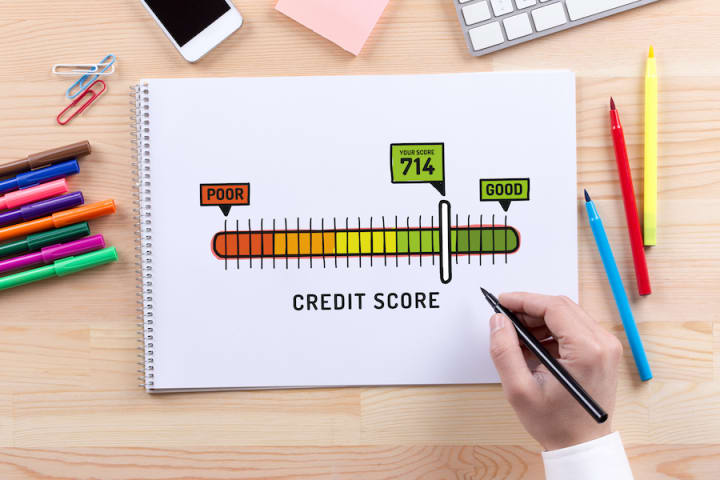
Credit scores range from 300 to 850, with higher scores representing better credit. Here’s a breakdown of how credit scores are typically classified:
- **300 – 579:** Poor
- **580 – 669:** Fair
- **670 – 739:** Good
- **740 – 799:** Very Good
- **800 – 850:** Excellent
### **How Is Your Credit Score Calculated?**
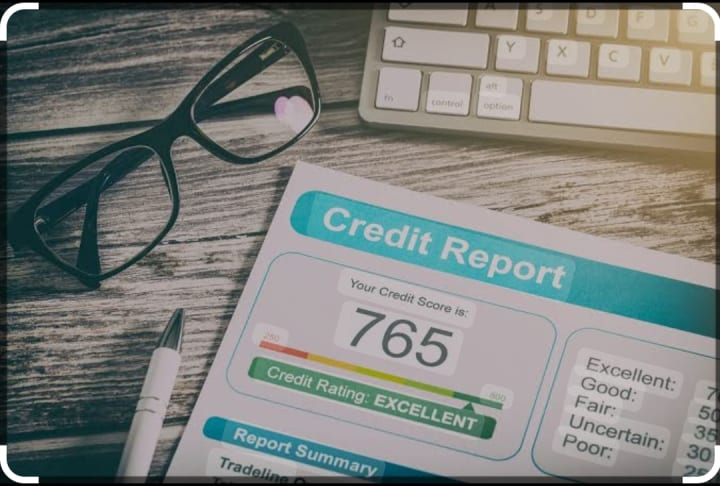
Credit scores are calculated based on the information in your credit report. Your credit report is a record of your borrowing history and is compiled by the three major credit bureaus: Equifax, Experian, and TransUnion. There are several factors that contribute to your credit score:
#### 1. **Payment History (35%)**
Your payment history is the most important factor in determining your credit score. Lenders want to see that you have a history of making timely payments. Missing payments, having accounts sent to collections, or declaring bankruptcy can negatively impact your score.
#### 2. **Credit Utilization (30%)**
Credit utilization refers to the amount of available credit you’re using. If you have high balances relative to your credit limits, it signals to lenders that you might be relying too much on credit and could be a higher risk. Aim to keep your credit utilization ratio below 30%.
#### 3. **Length of Credit History (15%)**
The longer your credit history, the better. A long credit history demonstrates that you can manage credit responsibly over time. This factor takes into account the average age of all your credit accounts and how long your oldest account has been open.
#### 4. **Types of Credit Used (10%)**
Lenders like to see that you can manage different types of credit, such as credit cards, mortgages, and installment loans. A healthy mix of credit types can boost your score.
#### 5. **New Credit (10%)**
Each time you apply for new credit, a hard inquiry is made, which can slightly reduce your score. Opening multiple new accounts in a short period can indicate risky behavior, which may lower your score.
### **Why Does Your Credit Score Matter?**
A good credit score is crucial for several reasons. It affects your ability to access credit and can influence the terms of the credit you are offered, including:
- **Interest Rates:** The higher your credit score, the lower the interest rates you’re likely to be offered. This can save you a significant amount of money over the life of a loan or credit card.
- **Loan Approval:** A good credit score improves your chances of getting approved for loans, such as mortgages or car loans. A poor credit score can make it difficult or even impossible to qualify for certain types of credit.
- **Security Deposits:** Some landlords and utility companies may require a security deposit or higher upfront fees if your credit score is low.
- **Employment Opportunities:** Some employers may check your credit score as part of the hiring process, particularly for jobs that involve handling money or financial responsibility.
### **The Truth About Credit Scores**
There are many myths and misconceptions about credit scores that can make understanding and improving them confusing. Let’s debunk a few:
- **“Checking your credit score will hurt it.”**
This is false. Checking your own credit score is considered a “soft inquiry,” which doesn’t impact your score. Only “hard inquiries” (such as when a lender checks your score for a loan application) can have a minor, temporary effect.
- **“Closing credit cards will improve your score.”**
Closing credit cards can actually harm your score by reducing your available credit and increasing your credit utilization ratio. It’s usually better to keep old accounts open, even if you don’t use them frequently.
- **“I can’t improve my score if I have bad credit.”**
While improving a low score takes time and effort, it’s entirely possible. Even small steps, like paying bills on time and reducing credit card balances, can have a positive impact on your score over time.
### **How to Improve Your Credit Score**
Improving your credit score is a gradual process, but with dedication and consistency, it is possible to see improvements. Here are some actionable steps you can take:
#### 1. **Pay Your Bills on Time**
Your payment history is the most significant factor affecting your credit score. Always pay your bills on time, including credit card bills, loans, and utility bills. Set up automatic payments or reminders if you struggle to remember.
#### 2. **Reduce Your Credit Card Balances**
Aim to keep your credit utilization below 30% of your available credit limit. If you carry high balances on your cards, focus on paying them down. Even small reductions can have a positive effect on your credit score.
#### 3. **Don’t Open Too Many New Accounts**
Opening new credit accounts can hurt your score by increasing your “new credit” inquiries. Only open new accounts when absolutely necessary, and try to avoid opening multiple accounts in a short period of time.
#### 4. **Keep Old Accounts Open**
The length of your credit history makes up 15% of your credit score, so try to keep old accounts open, even if you no longer use them. This helps boost the average age of your accounts and improves your score.
#### 5. **Check Your Credit Report Regularly**
Mistakes on your credit report can hurt your score. Regularly check your credit reports from Equifax, Experian, and TransUnion for any errors or fraudulent activity. If you find any discrepancies, dispute them immediately.
#### 6. **Work with a Credit Counselor**
If you’re struggling to manage your debt, consider seeking help from a credit counseling agency. They can offer advice and create a plan to help you improve your credit score.
#### 7. **Use a Credit Builder Loan**
A credit builder loan is a small loan designed to help individuals improve their credit scores. The lender holds the loan funds in a bank account until you repay the loan in full. This process helps build a positive payment history, which can improve your credit score.
### **Conclusion**
Your credit score is a vital aspect of your financial health. It impacts many areas of your life, from securing loans to renting an apartment. While building or improving your credit score may take time, the benefits of a good credit score are well worth the effort. By understanding how your credit score is calculated, debunking myths, and following the steps to improve it, you can take control of your financial future and open the door to better opportunities. Remember, consistency is key. Keep working at it, and over time, you’ll see the results.
About the Creator
Nora Ariana
Empowering through stories and sound igniting purpose, sparking growth, and awakening the power within.
Keep reading
More stories from Nora Ariana and writers in Education and other communities.
A goal is a dream with a deadline
A goal is a dream with a deadline. This powerful quote reminds us that without action, dreams remain just that wishes floating in our imagination. But when we set a timeline and commit to achieving them, they evolve into goals, bringing clarity, direction, and purpose. Many people go through life holding on to dreams, hoping they will come true someday. But someday is not a day on the calendar. Dreams without structure often fade with time or get buried under the weight of daily responsibilities. Turning a dream into a goal is what separates those who achieve from those who continue to wish.
By Nora ArianaExclusive • 11 months ago
The Impact of Virtual Reality on Healthcare Innovation and Medical Practice
Virtual reality is steadily transforming the healthcare industry by offering immersive digital environments that support medical education, treatment planning, and patient care. Unlike traditional tools, VR allows healthcare professionals to interact with highly detailed simulations that replicate real medical situations. These interactive experiences provide opportunities for learning and preparation that were previously difficult to achieve through conventional training methods.
By Alex Kipman4 days ago in Education
Why the Sun Will Become a Red Giant: The Future of Our Solar System Explained
Every morning, the Sun rises as it has for billions of years, bathing Earth in light and warmth. To us, it feels permanent and unchanging. Yet in the vast timeline of the universe, the Sun is only halfway through its life.
By shahkar jalal2 days ago in Education




Comments