
Unleashing the Power of Distortion
Exploring the Definition, Function, and Variations of Distortion Guitar Effects Pedals

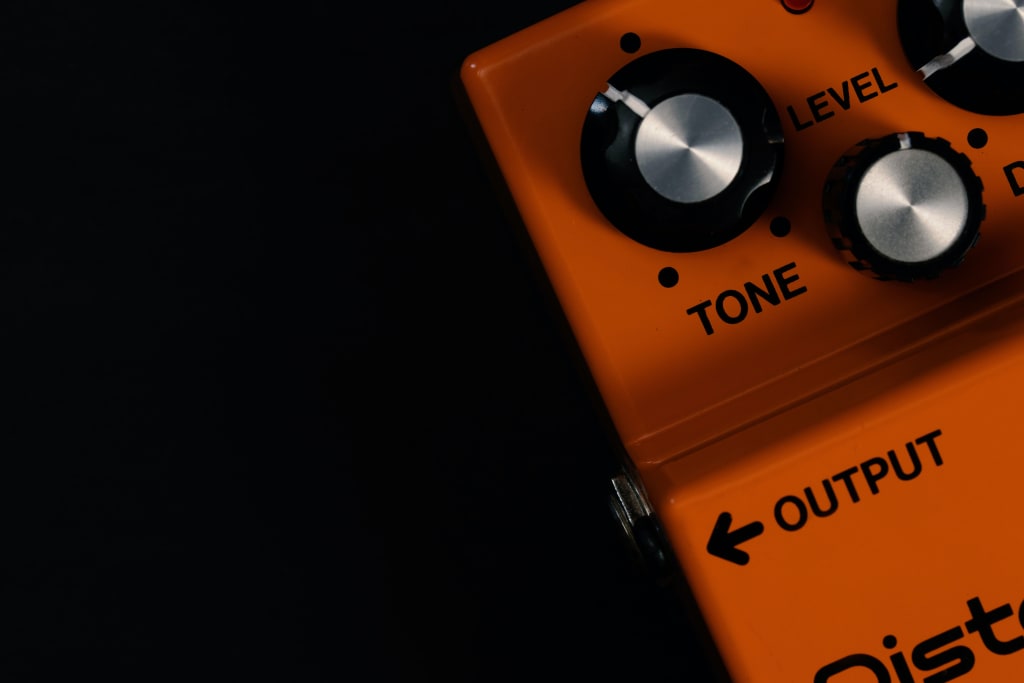
I. Introduction
Whether you're a fan of gritty rock anthems, heavy metal riffs, or blistering solos, there's one essential tool that helps you achieve those ferocious and powerful guitar tones - the distortion pedal. Distortion guitar effects pedals are devices that transform the pure, clean signal of an electric guitar into a raw, distorted, and aggressive sound. In this comprehensive guide, we'll delve into the definition, function, uses, and various types of distortion pedals, giving you a solid understanding of how they shape the world of guitar playing.
II. How Distortion Guitar Effects Pedals Work
To comprehend the inner workings of distortion pedals, let's take a peek behind the scenes. When you pluck a string on your electric guitar, it generates an electrical signal that is typically clean and undistorted. Distortion pedals come into play by altering this signal, adding harmonic richness, and creating an overdriven or saturated tone.
At its core, a distortion pedal processes the guitar signal through electronic circuitry. It manipulates the waveform, introducing clipping and compression that result in harmonic overtones. This clipping occurs when the input signal exceeds a certain threshold, causing the waveform peaks to flatten. The resulting harmonics contribute to the characteristic grit and aggression associated with distorted guitar tones.
III. Function of Distortion Guitar Effects Pedals
Distortion pedals serve multiple functions, each contributing to the overall sonic experience. First and foremost, they enhance and modify the guitar's sound, transforming it from a clean and mellow timbre to a searing wall of sound. Distortion pedals are the gateway to a world of sonic exploration, allowing guitarists to convey emotions ranging from angst-ridden aggression to pure sonic fury.
Additionally, distortion pedals create sustain, the ability for a note to ring out and hold its volume for an extended duration. This sustain lends power and intensity to guitar solos and allows notes to cut through the mix with razor-sharp precision. Furthermore, these pedals act as dynamics enhancers, allowing musicians to control the attack and decay of their notes, adding nuance and expression to their playing.
IV. Types of Distortion Guitar Effects Pedals
Distortion pedals come in various flavors, each offering its own tonal characteristics and musical applications. Let's explore some of the most common types in general:
A. Overdrive Pedals
Overdrive pedals are the mildest form of distortion and are often considered the foundation of rock and blues guitar playing. They aim to replicate the natural breakup and warm tone of a tube amplifier being pushed to its limits. Overdrive pedals provide a subtle, smooth distortion that adds a touch of grit and sustain while retaining the guitar's core tone. They're highly versatile, suitable for genres like blues, classic rock, and country.
Overdrive pedals offer a gentle push into the world of distortion, delivering a natural, tube-like breakup. They are widely revered for their ability to add warmth, sustain, and touch-sensitive dynamics to a guitarist's sound. Some notable overdrive pedals include the legendary Ibanez Tube Screamer, the versatile Boss Blues Driver, and the iconic Klon Centaur.
These pedals found their roots in the blues and rock scenes, with guitarists like Stevie Ray Vaughan and Eric Clapton famously utilizing them to shape their expressive playing styles. Overdrive pedals excel in genres such as blues, classic rock, and country, providing a wide range of tones, from subtle crunch to harmonically rich drive.
CLICK HERE TO SEE SEMART'S OVERDRIVE PEDAL CHOISE
B. Distortion Pedals
Distortion pedals take the level of aggression up a notch. They produce a heavier, more saturated distortion compared to overdrive pedals, making them ideal for genres like hard rock and heavier styles of music. Distortion pedals are known for their ability to shape and mold the guitar's tone, with various models offering different flavors of distortion, from vintage crunch to modern high-gain mayhem.
Distortion pedals take the concept of overdrive and push it further, offering a more aggressive and saturated tone. They provide a broad spectrum of distortion flavors, allowing guitarists to find the perfect balance between power, clarity, and grit. Distortion pedals can be categorized into different types, including vintage, modern, and British-style distortions.
Vintage distortion pedals aim to recreate the classic sounds of the '60s and '70s rock era. They often emulate the characteristics of iconic amplifiers, such as the Marshall Plexi or Fender Tweed, delivering a warm, smooth, and slightly compressed distortion. Popular models in this category include the Fulltone OCD, the ProCo Rat, and the Electro-Harmonix Big Muff.
On the other end of the spectrum, modern distortion pedals offer higher gain levels and a more aggressive, cutting-edge tone. They are commonly used in genres like alternative rock, hard rock, and metal, where intense distortion is required to achieve crushing rhythm and searing lead tones. Examples of modern distortion pedals include the Mesa/Boogie Dual Rectifier, the Wampler Triple Wreck, and the Diezel VH4.
British-style distortion pedals pay homage to the iconic tones of British amplifiers, such as Marshall or Vox. They provide a unique midrange emphasis, delivering a rich, harmonic distortion that is often associated with classic rock and blues rock. The Marshall Guv'nor, the JHS Angry Charlie, and the MI Audio Crunch Box are renowned examples of British-style distortion pedals.
CLICK HERE TO SEE SEMART'S DISTORTION PEDAL CHOISE
C. Fuzz Pedals
Fuzz pedals are the wildcards of the distortion family. They generate a unique and distinct tone, characterized by a fuzzy, buzzy, and sustaining sound. Fuzz pedals were popularized in the '60s and '70s and have since become synonymous with classic rock, psychedelia, and stoner rock. Many iconic guitar solos and riffs owe their distinctive character to the magic of a fuzz pedal.
Fuzz pedals introduce a distinctive and unconventional form of distortion to the guitar signal. They create a unique and richly textured tone, often described as velcro-like or synth-like in nature. Fuzz pedals originated in the 1960s and made a lasting impact on music, defining the sound of bands like the Rolling Stones, Jimi Hendrix, and Black Sabbath.
The classic fuzz pedal, the Dallas Arbiter Fuzz Face, was famously used by Jimi Hendrix to sculpt his signature psychedelic tones. Other notable fuzz pedals include the Electro-Harmonix Big Muff Pi, which has been a staple on countless pedalboards for its thick, sustaining fuzz, and the Fuzz Factory by ZVex, a pedal known for its wild and unpredictable sonic possibilities.
Fuzz pedals find their place in various genres, from classic rock to shoegaze, and have become a creative tool for experimental musicians seeking unique and unconventional tones.
CLICK HERE TO SEE SEMART'S FUZZ PEDAL CHOISE
D. Metal and High-Gain Pedals
For those who crave extreme distortion and relentless aggression, metal and high-gain distortion pedals are the weapons of choice. Designed to deliver bone-crushing tones with immense sustain, these pedals cater to the needs of heavy metal, thrash, and extreme genres. They produce tight low-end response, blistering high-gain saturation, and precise note articulation for lightning-fast riffs and solos.
Metal and high-gain distortion pedals cater to the needs of guitarists who demand uncompromising sonic aggression and extreme levels of gain. These pedals are purpose-built for genres like heavy metal, thrash, and extreme subgenres, providing the necessary firepower for bone-crushing rhythm sections and lightning-fast solos.
Metal distortion pedals often incorporate additional features such as noise gates, parametric EQs, and built-in boosts to tailor the tone and ensure tight, focused sound. Some prominent metal and high-gain distortion pedals include the Boss MT-2 Metal Zone, the Wampler Dracarys, and the Horizon Devices Precision Drive.
These pedals deliver relentless high-gain saturation, tight low-end response, and an articulate attack, allowing guitarists to create precise and aggressive tones that cut through dense mixes and satisfy the appetite for sonic brutality.
CLICK HERE TO SEE SEMART'S HIGH-GAIN PEDAL CHOISE
IX. Tips for Choosing and Using Distortion Pedals
When it comes to selecting and utilizing distortion pedals, a few essential considerations can help you make the most out of your setup. Here are some tips to keep in mind:
1. Tonal Preference: Determine the type of distortion that aligns with your preferred style and genre. Whether you prefer vintage warmth or modern high-gain mayhem, choose a pedal that suits your tonal goals.
2. Gain Stacking: Experiment with stacking multiple distortion pedals to achieve unique and layered tones. Combining different types of distortion can unlock a vast array of sonic possibilities.
3. Tone Control: Familiarize yourself with the tone control knobs on your pedal. These controls allow you to shape the frequency response and tailor the overall sound to match your preferences and the mix you're playing in.
4. Signal Chain Placement: Consider the placement of your distortion pedal in the signal chain. Placing it before or after other effects can yield different results. Experiment with different positions to find the best placement for your desired sound.
5. Gain and Volume Balancing: Adjust the gain and volume levels on your distortion pedal to achieve a balance between sustain and clarity. Too much gain can muddy the tone, while too little can result in a weak and thin sound.
6. Experimentation: Don't be afraid to explore and experiment with your distortion pedal. Try different settings, combinations, and playing techniques to discover new sounds and inspire your creativity.
X. Experimenting with Distortion Pedals
Distortion pedals offer a playground for sonic experimentation, allowing guitarists to push the boundaries of their creativity. Here are some ways to unleash the full potential of your distortion pedal:
1. Layering and Stacking: Combine multiple distortion pedals to create unique and complex tones. Stack an overdrive pedal with a distortion pedal for added richness or layer a fuzz pedal on top of a high-gain distortion pedal for colossal walls of sound.
2. Boosting and Soloing: Use your distortion pedal as a boost to push your amplifier or other overdrive pedals into further saturation. Engage the pedal for blistering solos that cut through the mix with searing intensity.
3. Dynamic Playing Techniques: Experiment with your guitar's volume and picking dynamics. Rolling off the volume knob can create cleaner tones, while digging in with your pick can intensify the distortion.
4. Tone Control Tweaking: Explore the range of the tone controls on your distortion pedal. Adjusting the EQ settings can shape the frequency response, allowing you to sculpt your desired tone.
5. Pedal Placement: Try placing your distortion pedal before or after other effects in your signal chain. Placing it before modulation effects can result in more intense and chaotic tones, while placing it after can retain more clarity and definition.
By embracing experimentation and thinking outside the box, you can unlock a world of creative possibilities and discover your unique voice within the realm of distorted guitar tones.
XI. Maintaining and Troubleshooting Distortion Pedals
To ensure the longevity and optimal performance of your distortion pedal, it's essential to practice regular maintenance and troubleshoot any issues that may arise. Here are some tips to help you keep your pedal in top shape:
1. Cleaning: Regularly clean the exterior of your distortion pedal using a soft cloth or a slightly dampened cloth. Avoid using harsh chemicals or abrasive materials that could damage the finish.
2. Power Supply: Use a high-quality power supply to avoid voltage fluctuations or power surges that may damage your pedal. Ensure the power supply matches the pedal's required voltage and polarity.
3. Switches and Knobs: Occasionally clean the switches and knobs of your distortion pedal to remove any dust or debris that may cause crackling or inconsistent operation. Use contact cleaner or compressed air for this purpose.
4. Troubleshooting: If you encounter issues like excessive noise, inconsistent operation, or loss of signal, start by checking the cables and connections. Ensure they are secure and free from damage. If the issue persists, consult the user manual or contact the manufacturer for further assistance.
5. Professional Servicing: If you're unsure about troubleshooting or encounter persistent problems, it's best to seek professional servicing. Certified technicians can diagnose and repair any underlying issues, ensuring your pedal performs optimally.
Remember, a well-maintained distortion pedal will provide you with years of reliable service, allowing you to unleash your creativity without interruption.
Conclusion
Distortion guitar effects pedals are powerful tools that shape the sound and elevate the expressiveness of the electric guitar. From the mild overdrive to the searing fuzz and high-gain madness, each type of distortion pedal offers a unique sonic character and serves different musical styles and genres.
Understanding the function, uses, and types of distortion pedals empowers guitarists to sculpt their tone, explore new sonic territories, and unleash their creativity. By experimenting with different pedal combinations, settings, and playing techniques, you can create a distinctive and captivating guitar sound that reflects your musical identity.
So, plug in your guitar, stomp on that distortion pedal, and embark on a sonic journey where raw power and expressive melodies collide.
FAQs
1. Can I use a distortion pedal with an acoustic guitar? While distortion pedals are primarily designed for electric guitars, some guitarists have experimented with using them with acoustic guitars for unique sonic effects. However, it's important to note that the results may vary, and excessive distortion can potentially damage the acoustic guitar's delicate components.
2. Can I achieve distortion without using a pedal? Yes, you can achieve distortion without using a pedal by driving your guitar amplifier's preamp section into saturation. Cranking up the gain or volume on the amplifier can produce a natural distortion. However, using a distortion pedal provides more control and allows for a wider range of tonal possibilities.
3. Can I use multiple distortion pedals together? Absolutely! Many guitarists use multiple distortion pedals together to create complex and layered tones. Experimenting with different combinations can lead to unique and personalized sounds.
4. How do I prevent unwanted noise when using a distortion pedal? To minimize unwanted noise, ensure that your cables are in good condition and properly connected. Using high-quality shielded cables can help reduce interference. Additionally, placing a noise gate pedal after the distortion pedal in your signal chain can help suppress unwanted background noise when you're not playing.
5. Do distortion pedals affect the guitar's tone when they're turned off? Some distortion pedals may slightly color the guitar's tone even when they're turned off. This can happen due to the nature of the pedal's circuitry and the interaction with the guitar's signal. However, high-quality pedals are designed to minimize any tonal alteration when they're bypassed, ensuring a clean and transparent signal pass-through.
TWO EXTRA SUGGESTIONS:
Stay with music, live well.
Warm regards.
SemART
About the Creator
SemART Music
Blog posts about especially guitars, the classic or latest effect pedals, gear and the conventional or most unconventional accessories in the music world. Enjoy!
Keep reading
More stories from SemART Music and writers in Education and other communities.
Harmony in Tune
I. Introduction Welcome to our comprehensive guide on tuner guitar effects pedals! If you're a guitarist, you know that keeping your instrument in tune is crucial for creating great music. A tuner guitar pedal is a versatile tool that helps you achieve accurate tuning and enhances your overall playing experience. In this article, we'll delve into the definition, function, uses, and types of tuner guitar effects pedals. Whether you're a beginner or an experienced musician, understanding these essential devices will take your guitar playing to the next level.
By SemART Music3 years ago in Education
Precision in Motion: The Rise of Sport Shooting and Firearms in Modern Competition
Sport shooting has grown from a simple test of aim into a structured sport that demands discipline, patience, and technical skill. Today, sport shooting and firearms play a major role in global competitions, training programs, and recreational events. Athletes train for years to improve accuracy and control. They study equipment, posture, breathing, and focus. Because of this dedication, sport shooting has become a respected sport that rewards precision and calm thinking.
By Matthew Pothoffabout 21 hours ago in Education
NCLEX Study Plan: A Step-by-Step Guide for Nursing Students
Preparing for the NCLEX-RN is one of the most important milestones in the nursing students’ career. This is because the NCLEX is the final step before nursing students can become licensed nurses. However, it is not as easy as simply reading nursing textbooks and taking notes from class lectures. This is because the NCLEX is designed to test the nursing students’ clinical judgment and decision-making skills.
By Sulcus Learning4 days ago in Education
Hottest in the Office
Dear Rafi, You’re very distracting to work around. For the first second I saw you the other day, I thought you were some type of executive. It took a moment to realize no, you were just the new guy, dressed up for the job he wants. Be still, my heart.
By Gabriel Shames3 days ago in Pride




Comments
There are no comments for this story
Be the first to respond and start the conversation.