
unleashing the potential:A comprehensive overview of Artificial intelligence Technologies in agriculture
Technology in Agriculture
Introduction:
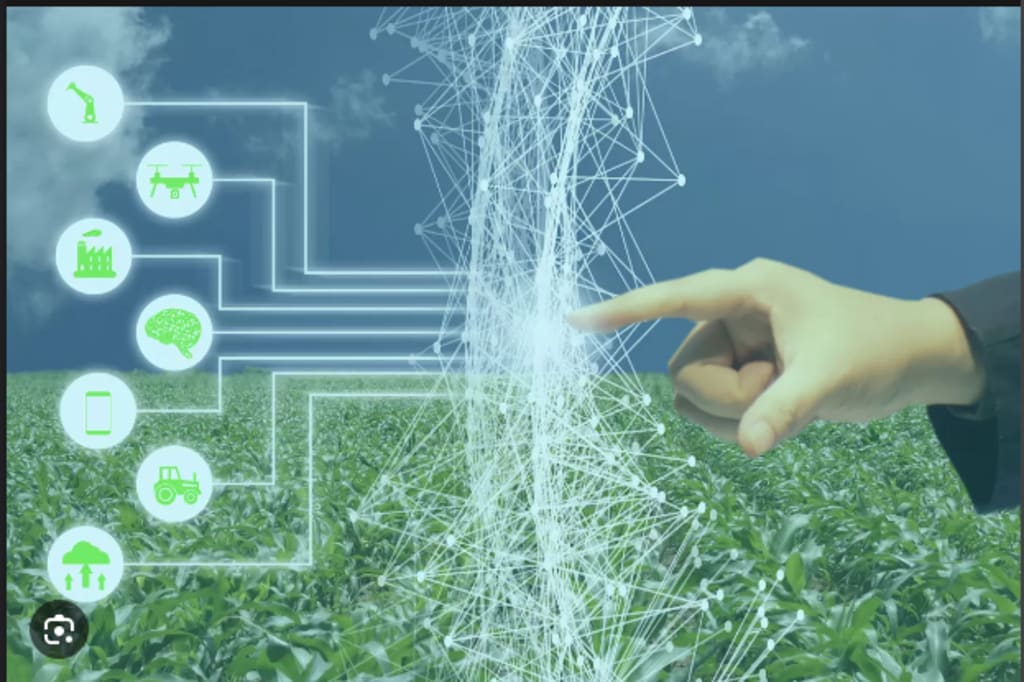
Agriculture, being one of the oldest and most crucial industries globally, has witnessed a transformative evolution with the integration of cutting-edge technologies. In recent years, the adoption of Artificial Intelligence (AI) has emerged as a revolutionary force, empowering farmers to make informed decisions and optimize crop production. This article delves into the latest AI technologies making waves in agriculture, presenting a comprehensive exploration of their applications and benefits.
1. Crop Monitoring:
Utilizing AI-powered sensors, drones, and satellites, crop monitoring has become a cornerstone in modern agriculture. This technology offers real-time insights into crop health, soil quality, and moisture levels. By proactively identifying potential issues, farmers can mitigate crop damage and ensure a bountiful harvest. The seamless integration of AI facilitates informed decision-making for sustainable crop management.
2. Precision Farming:
AI algorithms play a pivotal role in precision farming by analyzing data on weather patterns, soil quality, and crop growth. This data-driven approach optimizes planting, fertilizing, and harvesting processes, enabling farmers to maximize yields and reduce waste. Informed decisions on the timing and quantity of fertilizers and pesticides contribute to enhanced efficiency and resource utilization.
3. Livestock Monitoring:
AI-powered sensors are employed in livestock monitoring to observe health, behavior, and feeding patterns. By leveraging this technology, farmers can promptly identify issues in feeding or watering systems, ensuring the well-being of livestock. The integration of AI technologies provides a holistic approach to livestock management, improving overall efficiency and productivity.
4. Crop and Soil Analysis:
AI algorithms analyze soil samples to determine nutrient levels and recommend optimal fertilizer usage. This technology aids in optimizing crop yields and reducing waste by assisting farmers in choosing the right type and amount of fertilizers. Informed decisions on crop selection and field management contribute to sustainable and efficient agricultural practices.
5. Crop Forecasting:
AI-driven crop forecasting utilizes data on weather patterns, soil quality, and crop growth to predict yields. This technology empowers farmers to plan strategically, aiding in decisions related to planting and harvesting timelines. Accurate forecasting enhances resource allocation and overall crop management strategies.
6. Weed and Pest Detection:
AI-powered cameras and sensors detect and identify weeds and pests, allowing farmers to take corrective actions promptly. By minimizing the use of pesticides and making informed decisions on crop management, this technology contributes to sustainable agriculture practices, reducing environmental impact.
7. Irrigation Management:
AI algorithms analyze weather patterns, soil quality, and crop growth to optimize irrigation schedules and reduce water waste. This technology aids farmers in making informed decisions on when and how much to irrigate, leading to efficient water usage and cost reduction.
8. Harvesting:
AI-powered robots are employed for harvesting, reducing the dependency on manual labor. This innovation enhances efficiency, saves time and money, and improves the overall quality of the harvest. Additionally, it enhances safety in the field, reducing the risk of injuries to workers.
9. Pollination:
AI-powered drones mimic bee pollination behavior, equipped with cameras and sensors to detect flowers. This technology offers a sustainable solution to pollination challenges, ensuring crop yield optimization.
10. Climate-Resilient Agriculture:
AI plays a pivotal role in developing climate-resilient agriculture practices. By analyzing historical weather patterns and predicting future climate changes, AI assists farmers in adapting their strategies to mitigate the impact of climate variability. This forward-looking approach enhances the sustainability of agriculture in the face of changing environmental conditions.
Conclusion:
In conclusion, the integration of AI technologies in agriculture has the potential to revolutionize the industry, increasing productivity, reducing costs, and promoting sustainable practices. As these innovations continue to evolve, the future of agriculture appears promising, with AI paving the way for efficient, informed, and environmentally conscious farming practices. This article aims to provide a comprehensive understanding of the transformative impact AI is making in agriculture, ushering in a new era of smart farming.
About the Creator
Keep reading
More stories from CHONGO INNOCENT and writers in Education and other communities.
The Ambivalence of Technology:weighing the Harms and Benefits
Introduction: In the ever-evolving landscape of human progress, technology has been a double-edged sword, bringing about both remarkable advancements and unforeseen consequences. While the benefits of technology are undeniable, it is crucial to acknowledge the harms it has wrought on various aspects of human life, societal structures, and the environment. This discussion explores how technology, despite its transformative power, has, in certain contexts, contributed to more harm than good.
By CHONGO INNOCENT2 years ago in Education
What Is Dark Energy and Why Is It Accelerating the Universe?
This discovery shocked scientists in the late 1990s and overturned everything we thought we knew about cosmic evolution. Gravity, which should slow expansion, appeared to be losing the battle. Some mysterious force was pushing the universe apart.
By shahkar jalalabout 23 hours ago in Education




Comments
There are no comments for this story
Be the first to respond and start the conversation.