
Understanding Vein Selection For Venepuncture and Cannulation.
Learn effective vein selection tips for venepuncture and cannulation improving patients comfort and reducing complications.
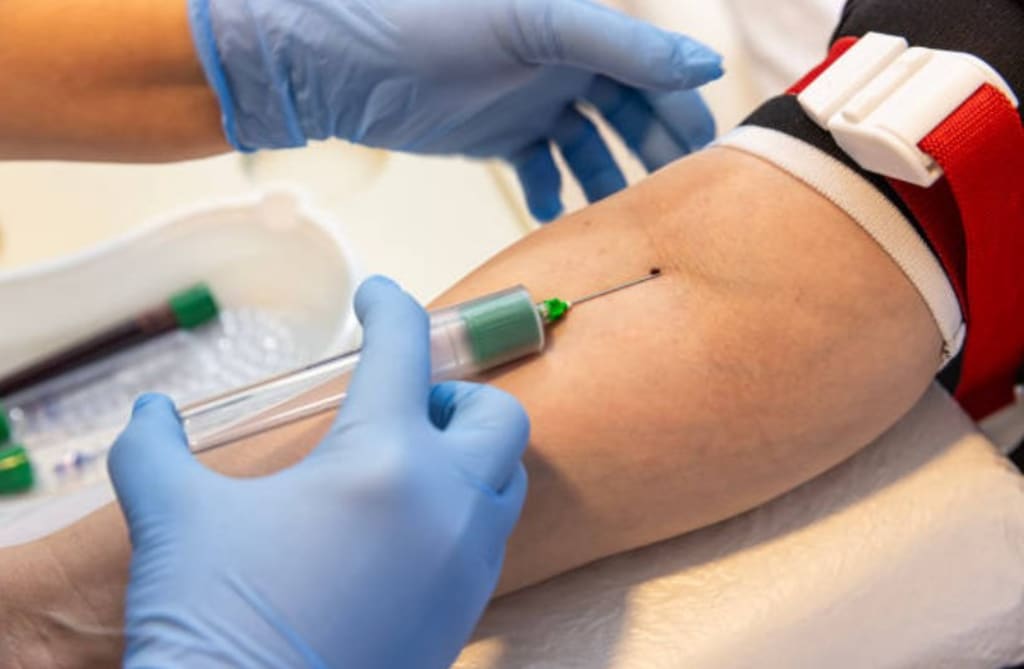
Selecting the right vein is a critical step in venepuncture and cannulation. Proper vein selection ensures patient comfort, reduces procedural complications, and optimises outcomes. This article explores the principles and best practices that healthcare professionals must follow to identify suitable veins for these procedures, keeping patient safety and effectiveness at the forefront.
Why Accurate Vein Selection Is Crucial
The success of any venepuncture or cannulation procedure depends largely on precise vein identification. An inappropriate choice may lead to failed attempts, causing discomfort to patients and increasing the risk of complications like hematoma, phlebitis, or nerve damage. By understanding vein anatomy and practising proper techniques, practitioners can minimise errors and enhance patient care.
Key Veins for Venepuncture and Cannulation
Healthcare professionals commonly target veins in the upper extremity for these procedures. Each vein has its unique benefits and limitations:
1. Median Cubital Vein
Location: Found in the antecubital fossa (inside of the elbow).
Advantages:
- It is large and easily accessible.
- Relatively immobile, which helps during insertion.
- Considerations:
Overuse may lead to irritation or scarring.
2. Cephalic Vein
Location: Runs along the radial side of the forearm and upper arm.
Advantages:
- Usually visible in individuals with good venous access.
- Offers a good alternative if the median cubital vein is unsuitable.
Challenges:
Tends to roll if not properly stabilised.
3. Basilic Vein
Location: Along the ulnar side of the forearm and upper arm.
Advantages:
It is often used as a last resort due to its deep location.
Challenges:
It is located close to arteries and nerves, increasing the risk of injury.
4. Hand Veins
Common Veins:
- Dorsal metacarpal veins.
- Superficial branches on the dorsum of the hand.
Advantages:
- Useful for short-term cannulation.
- Easily accessible in lean patients.
Challenges:
Prone to irritation and phlebitis due to smaller size.
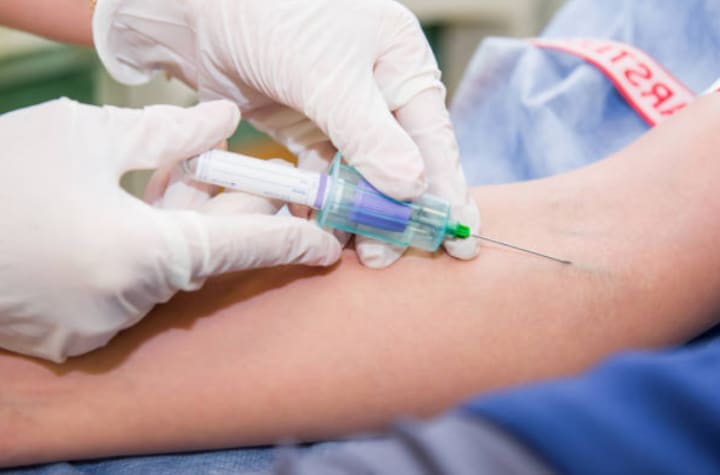
Vein Selection Process
Patient Assessment
Begin by assessing the patient’s condition. Factors such as hydration levels, history of previous venepunctures, and visible scarring can impact vein visibility. Encourage patients to stay well-hydrated before the procedure, as this helps dilate veins.
Vein Palpation
Locate veins by palpating gently with your fingers. A good vein should feel soft, spongy, and refill quickly when compressed. Avoid veins that feel hard or cord-like, as these may indicate scarring or thrombosis.
Consider the Purpose of the Procedure
Select veins based on the goal of the procedure:
For blood draws, prioritise veins that are easy to access and can provide sufficient blood volume.
For cannulation, consider the size and condition of the vein, depending on the type and duration of the infusion.
- Minimize Risks
- Avoid the following areas to reduce complications:
- Veins near bony prominences.
- Previously punctured or injured veins.
Veins in extremities with signs of infection or compromised circulation.
Tips for Successful Vein Selection
Use a Warm Compress
Applying heat to the area increases blood flow, making veins more prominent and easier to locate.
Optimal Positioning
Keep the chosen limb below heart level. This enhances venous filling, improving vein visibility.
Tourniquet Application
Properly applied tourniquets help distend the veins but avoid leaving them on for extended periods, as this can cause discomfort and obscure vein palpation.
Ultrasound Guidance
For patients with difficult venous access (DVA), ultrasound can aid in identifying deeper veins that are not visible or palpable.
Venepuncture and Cannulation Training Skills training programs provide healthcare professionals with hands-on experience in vein selection. These sessions sharpen technique, reduce patient discomfort, and improve outcomes.
Challenges in Vein Selection
Certain patient populations present unique challenges in finding suitable veins:
Elderly Patients
These patients often have fragile veins that are susceptible to rupture. Use smaller gauge needles and gentle techniques.
Obese Individuals
Veins may be buried beneath subcutaneous tissue. Consider deeper veins or use ultrasound assistance.
Chronic Patients
Individuals with long-term medical conditions, such as kidney disease or cancer, may have limited venous access due to frequent procedures. Plan carefully to preserve vein integrity.
- Safe Cannulation and Venepuncture
- Safety should always be a priority. Here are some final recommendations:
- Use aseptic techniques to minimise infection risk.
- Communicate with patients throughout the procedure to ease their anxiety and gain cooperation.
Document the chosen vein, procedure details, and any complications for future reference.
Conclusion
Effective vein selection is fundamental to the success of venepuncture and cannulation. By understanding venous anatomy, assessing patient-specific factors, and applying proven techniques, healthcare professionals can enhance patient safety and comfort. Ongoing venepuncture and cannulation training is essential for building confidence and precision, ensuring the highest standards of care are met.
About the Creator
Advanced Instrument Flight: Flying Beyond Sight with Skill and Control
Instrument flight is the foundation of safe flying in poor visibility. When pilots cannot see the horizon, the runway, or the ground below, they must rely fully on cockpit instruments. Instrument flight allows aircraft to move safely through clouds, rain, haze, and darkness. It is a skill that demands focus, steady hands, and strong decision making.
By Duke Valentour5 days ago in Education
Why Products Get Ignored on Retail Shelves (And How Brands Can Fix It)
Today, when you walk through any retail store, they have a very cluttered retail display design. You will see shelves packed with products. Most of them are decent. Some are even excellent. But have you wondered why they are never picked up or made into the cash-out zone? Many are well-made, reasonably priced and even thoughtfully designed. And yet, a large number of them never get picked up. This is one of retail's quietest problems. It's because customers don't notice them. It's very natural that shoppers scan shelves in seconds. Products must communicate value instantly.
By Hazel Taylor4 days ago in Education




Comments
There are no comments for this story
Be the first to respond and start the conversation.