
Understanding the Processing Time for an Italy Work Permit
Everything You Need to Know About Italy Work Permit Timelines
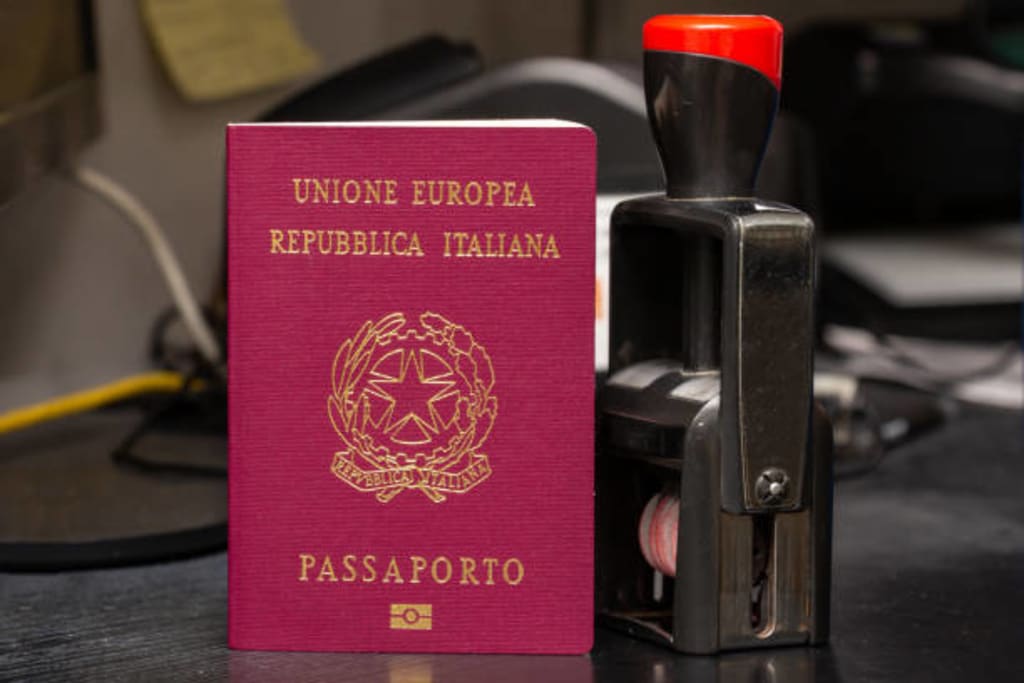
Italy is one of the most sought-after countries for career and work placement. Italy is a great country to work in for professionals from other countries. When you're planning to get to Italy, processing time on an Italy work permit is very important for planning your purpose for going to Italy. This guide will guide you through how processing time is affected, the steps it takes, and tips to get a smoother application.
1. What is the Italy Work Permit Processing Time?
The type of work permit, the applicant's place of origin, and the completeness of the application are some of the variables that affect how long it takes to process an Italian work visa. Generally speaking:
- Approval of the employer's work permit (Nulla Osta): 30 to 60 days.
- 15 to 30 days are needed for visa processing at the embassy or consulate.
Depending on the situation, the complete process could take anywhere from 45 to 90 days or longer.
2. Factors Affecting Italy Work Permit Processing Time
a. Type of Work Permit
Work permits of different types have different processing times:
There will be Seasonal Work Permits: Usually faster because it is the case for time-sensitive and industry-related, like agriculture and tourism.
Non-seasonal work permits: May take longer since they are checked more vigorously for job roles and qualifications.
Highly Skilled Work Permits (EU Blue Card): Generally processed quicker to attract talent in high-demand fields.
Self-Employment Permits: Usually more time-consuming and require more elaborate business plans and proof of financial stability.
b. Annual Quota System (Decreto Flussi)
Italy runs its own quota system for non-EU workers and grants a limited number of work permits every year. Depending on the quota, applications might have to wait until the next quota is released for the following year.
c. Employer’s Role
Delays arise from ignorance regarding the application process or improper/untimely submission of necessary documents by the employer. A well-prepared employer can greatly reduce their processing time.
d. Completeness of Application
Delayed processing could result if pertinent documents are missing or not up-to-date. This means it is necessary to have the paperwork in a complete and accurate form before submitting it for processing.
e. Location and Workload of Immigration Office
Processing times may vary according to the workload of each local immigration office within the region of the job location. Offices in metropolitan areas, with a high volume of paperwork, may require more processing time.
3. Steps in the Italy Work Permit Application Process
Step 1: Job Offer and Employer’s Application for Nulla Osta
The first step involves the employer filing with the local immigration office in Italy a work permit application known as Nulla Osta.
Timeframe: 30–60 days.
What Happens: The Immigraton office checks if the application is in accordance with labour and immigration laws.
Step 2: Approval of Nulla Osta
After it is issued, the Nulla Osta is sent online to the Italian Consulate or Embassy in your nation of residence.
Step 3: Visa Application at the Embassy or Consulate
The candidate can apply for a work visa at the Italian Embassy or Consulate after receiving the Nulla Osta.
Duration: 15–30 days.
What occurs: The application is validated by the embassy. It gathers biometric information and does an interview.
Step 4: Entry to Italy and Residence Permit
After receiving the work visa, you can go to Italy and start from there the process of registering for a residence permit, known as the Permesso di Soggiorno.
Time frame: 30 to 90 days following arrival is when it is issued.
What to Do: Within eight days after your arrival in Italy, you must apply for a residence permit at the local immigration office.
4. Common Challenges That Can Delay Processing
a. Documentation Issues
Incomplete or inaccurate documents - missing signatures or translation that is not acceptable - is another cause of delay.
b. Employer Inexperience
Your employer is not familiar with the Nulla Osta process, thus slowing down the application
c. Peak Season Applications
Sometimes, immigration offices have to work within peak seasons or during quotas nearly due. Workloads tend to be higher than usual, further causing delays.
d. Quota Limitations
The work permit annual quota is reached, and your application will have to wait for new slots to become available.
e. Embassy Backlogs
The delay can also occur because of the Italian Embassy or Consulate in your home country.
5. Tips to Expedite the Italy Work Permit Process
a. Start Early
Start the process as soon as you accept the job offer in order not to have unexpected delays.
b. Work with Experienced Employers
Opt for organizations that are aware of the work permit process and can facilitate your application swiftly.
c. Double-Check Documentation
Make sure all documents submitted are correct, complete, and Italian-translated when necessary.
d. Monitor Quota Announcements
Monitor Italy's annual quota announcements (Decreto Flussi) so as not to experience delays associated with quota limitations.
e. Consult Experts
You may hire an immigration consultant or attorney specializing in Italy's work permit system.
6. Fast-Track Options for Certain Workers
Italy provides accelerated processing to specific categories, for instance, highly skilled workers under the EU Blue Card. If you qualify, this can shave several months off your processing period.
7. Conclusion
The number of days to process an Italy Work Permit varies, but knowledge of the process and needed documents will enable you to properly plan your move. Even though this process may be lengthy, preparation coupled with working with your employer will ease the process.
About the Creator
Exploring FSC 5999: Miscellaneous Electrical and Electronic Components in Aerospace and Avionics
When I first started studying aircraft systems, I realized that aviation engineering is as much about the parts you don’t see as the ones you do. Beyond major systems like engines and flight controls, there exists a broad yet vital collection of miscellaneous electrical and electronic components — categorized under FSC 5999 — that quietly support mission-critical functions throughout an aircraft.
By Beckett Dowhanabout 8 hours ago in Education
A Knight of the Seven Kingdoms Series Review (Season 1)
As one of the biggest properties in fantasy, A Song of Ice and Fire remains immensely popular with audiences. After reaching far into the past with House of the Dragon, a second spin-off was on the cards. A Knight of the Seven Kingdoms serves up a bite-sized slice of action and drama, but it still claims a spot among the best small-screen titles.
By Robert Cain5 days ago in Geeks




Comments
There are no comments for this story
Be the first to respond and start the conversation.