
Understanding the Best Ways to Regrow and Protect Your Hair
Hair Loss Treatment
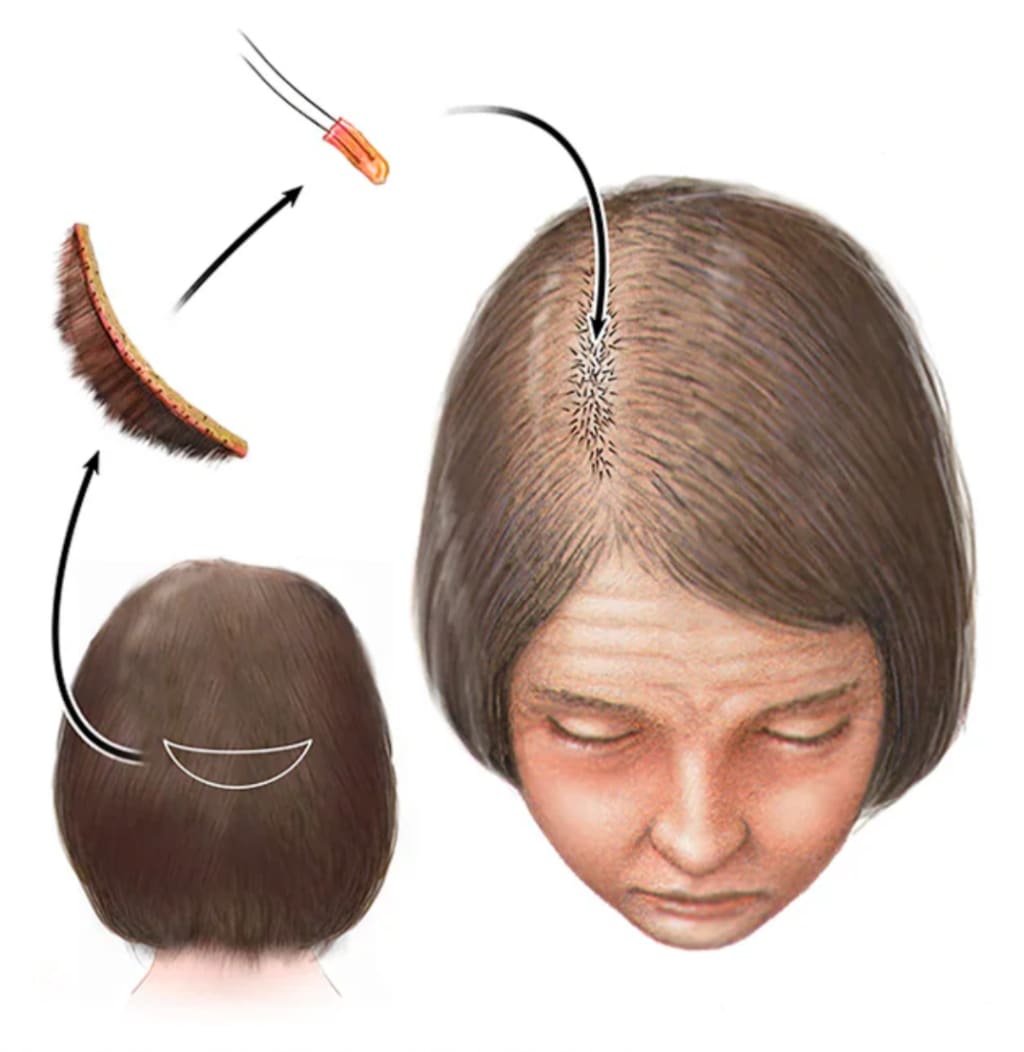
Hair Loss Treatment: Understanding the Best Ways to Regrow and Protect Your Hair
Hair loss is one of the most common issues faced by both men and women around the world. For some, it starts as mild thinning, while for others, it becomes a visible bald patch that affects confidence and self-esteem. The good news is that modern science, combined with natural remedies and lifestyle improvements, offers several effective solutions to manage and even reverse hair loss.
Understanding the Cause Before the Cure
Before starting any treatment, it’s important to identify why hair loss is happening. Common causes include hormonal imbalance (especially DHT in men), stress, nutritional deficiencies, thyroid problems, autoimmune disorders like alopecia areata, and even certain hairstyles that pull on the scalp. Consulting a dermatologist or trichologist can help determine the root cause through scalp examinations and blood tests.
1. Medical Treatments That Work
Minoxidil (Rogaine)
One of the most widely used treatments for hair loss is minoxidil, available over the counter in liquid or foam form. It works by increasing blood flow to the hair follicles, encouraging them to grow thicker and stronger strands. Both men and women can use it, and consistent application over three to six months often shows noticeable regrowth. However, the treatment must be continued, as stopping it can cause hair to fall out again.
Finasteride (Propecia)
For men, finasteride is a highly effective oral medication that works by blocking DHT, the hormone responsible for shrinking hair follicles. It helps slow down hair loss and, in many cases, stimulates new growth. It is not recommended for women and must be taken under medical supervision, as side effects such as decreased libido can occur in some individuals.
Dutasteride
Another DHT-blocking medication, dutasteride, is sometimes prescribed when finasteride does not yield sufficient results. It works in a similar way but can be slightly stronger in its effects.
Corticosteroid Injections
For people suffering from alopecia areata, an autoimmune form of hair loss, dermatologists often recommend corticosteroid injections directly into bald patches. These injections calm the immune response that attacks hair follicles, helping hair regrow in affected areas over a few months.
2. Modern and Advanced Therapies
PRP (Platelet-Rich Plasma) Therapy
A newer and more natural method is PRP therapy, where a small sample of your own blood is drawn and processed to separate the platelet-rich plasma. This plasma, rich in growth factors, is then injected into the scalp to stimulate hair follicles and encourage new growth. PRP is considered safe since it uses your body’s own cells, and it often shows results after several sessions.
Low-Level Laser Therapy (LLLT)
Laser therapy devices, such as laser combs or helmets, use gentle light energy to awaken dormant follicles and increase hair density. It’s a non-invasive and painless treatment that can be done at clinics or even at home with FDA-approved devices.
Hair Transplant Surgery
In cases where baldness is more advanced, hair transplant surgery may be the best solution. This involves moving healthy hair follicles from thicker areas of the scalp to balding areas. Modern techniques like FUE (Follicular Unit Extraction) produce natural-looking results and leave minimal scarring.
3. Natural and Home Remedies
While medical treatments are proven effective, many people also turn to natural options to complement their hair care routine. Oils such as rosemary, castor, and coconut oil are known to nourish the scalp and improve circulation. A diet rich in iron, zinc, vitamin D, and biotin can also strengthen hair roots. Reducing stress through meditation, exercise, and adequate sleep further helps in slowing hair shedding.
4. Lifestyle Habits to Prevent Hair Loss
Avoid harsh chemical treatments and tight hairstyles.
Massage your scalp regularly to stimulate blood flow.
Use mild, sulfate-free shampoos and conditioners.
Stay hydrated and maintain a balanced diet.
Remember, hair health is closely linked to your overall health — if your body is stressed or malnourished, your hair will show it first.
Final Thoughts
Hair loss can feel discouraging, but it’s far from hopeless. With the right combination of medical treatments, modern therapies, and natural care, it’s possible to regain not only your hair but also your confidence. Every strand that grows back is proof that healing and renewal are possible — you just need patience, consistency, and a personalized approach.
About the Creator
The Impact of Virtual Reality on Healthcare Innovation and Medical Practice
Virtual reality is steadily transforming the healthcare industry by offering immersive digital environments that support medical education, treatment planning, and patient care. Unlike traditional tools, VR allows healthcare professionals to interact with highly detailed simulations that replicate real medical situations. These interactive experiences provide opportunities for learning and preparation that were previously difficult to achieve through conventional training methods.
By Alex Kipman4 days ago in Education
Why the Sun Will Become a Red Giant: The Future of Our Solar System Explained
Every morning, the Sun rises as it has for billions of years, bathing Earth in light and warmth. To us, it feels permanent and unchanging. Yet in the vast timeline of the universe, the Sun is only halfway through its life.
By shahkar jalal2 days ago in Education




Comments
There are no comments for this story
Be the first to respond and start the conversation.