
Understanding PCOS: Causes, Symptoms & Treatments
Understanding PCOS: Causes, Symptoms & Treatments
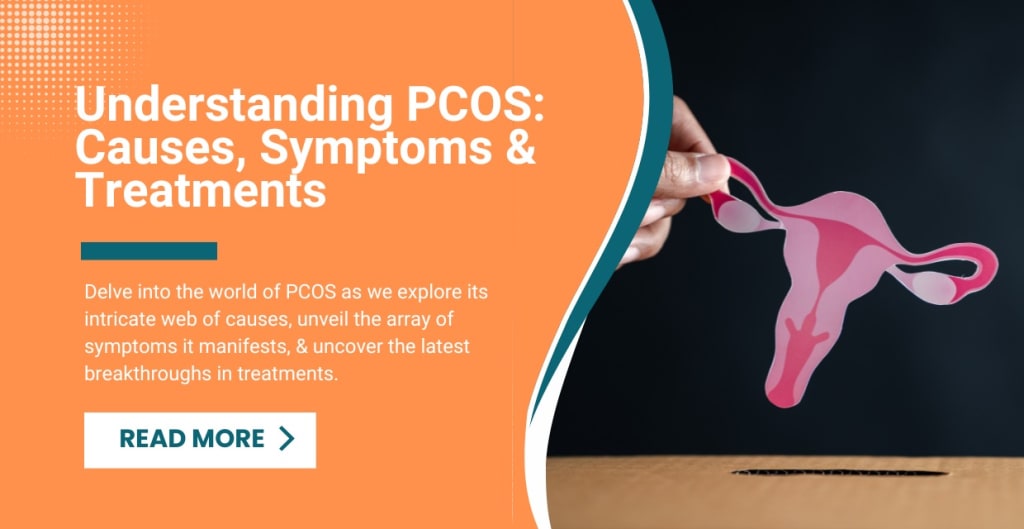
Polycystic Ovary Syndrome (PCOS) is a common hormonal disorder that affects many women worldwide. It is characterized by a combination of symptoms, including hormonal imbalances, ovarian cysts, and reproductive difficulties. This article will provide an in-depth understanding of PCOS, including its causes, symptoms, and various treatment options available. Additionally, we will explore PCOS treatment in Gurgaon, a city renowned for its advanced medical facilities and expertise in providing comprehensive care for individuals with PCOS.
Introduction
PCOS is a complex condition that affects the hormonal balance and reproductive system of women. It is estimated that around 10% of women of reproductive age suffer from PCOS, making it one of the most common endocrine disorders. Understanding the causes, symptoms, and treatment options for PCOS is crucial for effective management and improved quality of life.
What is PCOS?
PCOS is a condition that occurs when a woman's reproductive hormones are imbalanced. Women with PCOS have higher levels of androgens (male hormones) and may experience irregular or infrequent menstrual periods. The ovaries of women with PCOS also produce enlarged follicles, which can form small cysts.
Causes of PCOS
Hormonal imbalance : Hormonal imbalances, particularly elevated levels of androgens such as testosterone, play a significant role in the development of PCOS. These imbalances can disrupt normal ovulation and affect the overall functioning of the ovaries.
Insulin resistance : Insulin resistance, a condition where the body's cells become less responsive to insulin, is commonly observed in women with PCOS. Insulin resistance can lead to an increased production of insulin, which in turn stimulates the ovaries to produce more androgens.
Genetic factors : There is evidence to suggest that PCOS may have a genetic component. Women with a family history of PCOS are more likely to develop the condition themselves, indicating a potential genetic link.
Lifestyle factors : Certain lifestyle factors, such as poor diet, sedentary behavior, and excessive stress, can contribute to the development and progression of PCOS. These factors can exacerbate insulin resistance and hormonal imbalances.
Symptoms of PCOS
PCOS can manifest through a variety of symptoms, which may vary in severity from person to person. Some common symptoms of PCOS include:
Irregular periods : One of the primary symptoms of PCOS is irregular or absent menstrual periods. Women with PCOS may experience infrequent periods, prolonged periods, or even no periods at all.
Excessive hair growth : PCOS can cause excessive hair growth, also known as hirsutism, particularly in areas such as the face, chest, and back. This occurs due to the elevated levels of androgens in the body.
Acne : Elevated androgen levels can also contribute to the development of acne in women with PCOS. Acne may appear on the face, chest, or back and can range from mild to severe.
Weight gain : Many women with PCOS struggle with weight gain or find it difficult to lose weight. Hormonal imbalances and insulin resistance can make weight management more challenging.
Mood swings : Hormonal imbalances associated with PCOS can affect mood stability. Women with PCOS may experience mood swings, irritability, and feelings of anxiety or depression.
Diagnosing PCOS : Diagnosing PCOS involves a comprehensive evaluation that includes medical history, physical examination, and laboratory tests. The following methods are commonly used for diagnosis:
Medical history : A detailed medical history is obtained to understand the patient's symptoms, menstrual patterns, and any other relevant information that can help in making an accurate diagnosis.
Physical examination
A physical examination may be performed to assess signs of PCOS, such as excessive hair growth, acne, or enlarged ovaries.
Blood tests : Blood tests are conducted to measure hormone levels, including androgens, insulin, and glucose. These tests help identify hormonal imbalances and insulin resistance.
Ultrasound imaging : Transvaginal ultrasound imaging may be performed to examine the ovaries for the presence of cysts and assess their size and appearance.
Treatment options for PCOS
PCOS is a chronic condition that requires long-term management. The treatment approach focuses on alleviating symptoms, restoring hormonal balance, and improving overall health. The following treatment options are commonly employed:
Lifestyle changes : Implementing healthy lifestyle habits can significantly improve PCOS symptoms. This includes regular exercise, a balanced diet, stress management, and sufficient sleep.
Medications : Certain medications may be prescribed to address specific symptoms of PCOS. These include hormonal contraceptives to regulate menstrual cycles, anti-androgen medications to reduce excess hair growth and acne, and medications to improve insulin sensitivity.
Hormonal therapy : Hormonal therapy, such as the use of ovulation-inducing medications, may be recommended for women trying to conceive. These medications help regulate ovulation and increase the chances of pregnancy.
Fertility treatments : For women struggling with infertility due to PCOS, assisted reproductive technologies such as in vitro fertilization (IVF) or intrauterine insemination (IUI) may be recommended.
PCOS treatment in Gurgaon : Gurgaon, a thriving city in India, offers comprehensive PCOS treatment options through its specialized medical centers and experienced professionals. The city boasts state-of-the-art facilities and cutting-edge technologies to provide personalized care for women with PCOS. Gurgaon's healthcare providers emphasize a multidisciplinary approach, ensuring patients receive holistic care that addresses their specific needs.
Conclusion
PCOS is a complex hormonal disorder that affects many women worldwide. Understanding its causes, recognizing its symptoms, and exploring the available treatment options are crucial for effective management. By implementing lifestyle changes, utilizing medications, and seeking expert medical care, women with PCOS can lead fulfilling lives and improve their overall well-being.
FAQs
1. Can PCOS be cured completely?
PCOS is a chronic condition that cannot be cured completely, but its symptoms can be managed effectively with appropriate treatment and lifestyle changes.
2. Is PCOS a hereditary condition?
There is evidence to suggest that PCOS may have a genetic component. Women with a family history of PCOS have a higher risk of developing the condition themselves.
3. Can PCOS affect fertility?
PCOS can impact fertility due to irregular ovulation. However, with appropriate medical interventions and fertility treatments, many women with PCOS can conceive and have successful pregnancies.
4. Are there any natural remedies for PCOS?
While there is no specific natural remedy to cure PCOS, certain lifestyle changes like regular exercise, a balanced diet, and stress management can help alleviate symptoms and improve overall health.
5. How long does PCOS treatment typically last?
PCOS treatment is typically long-term and aims to manage symptoms and improve quality of life. The duration of treatment varies depending on individual needs and goals, and it may involve ongoing care and periodic adjustments.
About the Creator
Keep reading
More stories from Aarvy Healthcare and writers in Education and other communities.
Minimally Invasive Surgery for GI Cancer
Introduction In recent years, the field of cancer treatment has witnessed significant advancements, particularly in surgical approaches. One such approach that has revolutionized the treatment of gastrointestinal (GI) cancer is minimally invasive surgery (MIS). Minimally invasive surgery offers numerous benefits compared to traditional open surgeries, providing patients with a less invasive and faster recovery option. This article aims to explore the various aspects of minimally invasive surgery for GI cancer, its benefits, types, preparation, procedure, potential risks, and advancements in the field.
By Aarvy Healthcare3 years ago in Education
From Play to Purpose: How Fun Fuels Success Beyond the Office
In today’s fast-paced professional world, success is often measured by productivity, deadlines, and measurable outcomes. Yet, many overlook an equally important factor that can drive performance and innovation: play. Engaging in playful activities outside of work, whether it’s cooking, sports, or creative hobbies, is not merely a form of relaxation. It is a powerful tool for developing skills, fostering creativity, and enhancing overall well-being. Play may seem unrelated to professional growth, but its effects often ripple into the workplace, shaping how individuals lead, solve problems, and collaborate.
By Evan Weiss St Louis3 days ago in Education



Comments
There are no comments for this story
Be the first to respond and start the conversation.