
Understanding Macular Degeneration
Symptoms, Types, Risk Factors, and Treatment Options

Introduction:
Macular degeneration, also known as age-related macular degeneration (AMD), is a progressive eye disease that affects the central vision. It is one of the leading causes of vision loss among older adults. In this comprehensive article, I will delve into the symptoms, types, risk factors, and treatment options for macular degeneration, shedding light on this prevalent eye condition.
Symptoms of Macular Degeneration:
Macular degeneration often manifests through subtle symptoms that gradually worsen over time. The most common early sign is a blurring of central vision, making it difficult to see fine details. Individuals may also experience dark spots or patches in their visual field, impairing their ability to read or recognize faces. Straight lines may appear distorted or wavy, and colors may seem less vibrant or faded. Adjusting to low-light environments or experiencing decreased contrast sensitivity can also be challenging.
Differentiating Macular Degeneration from Other Eye Conditions:
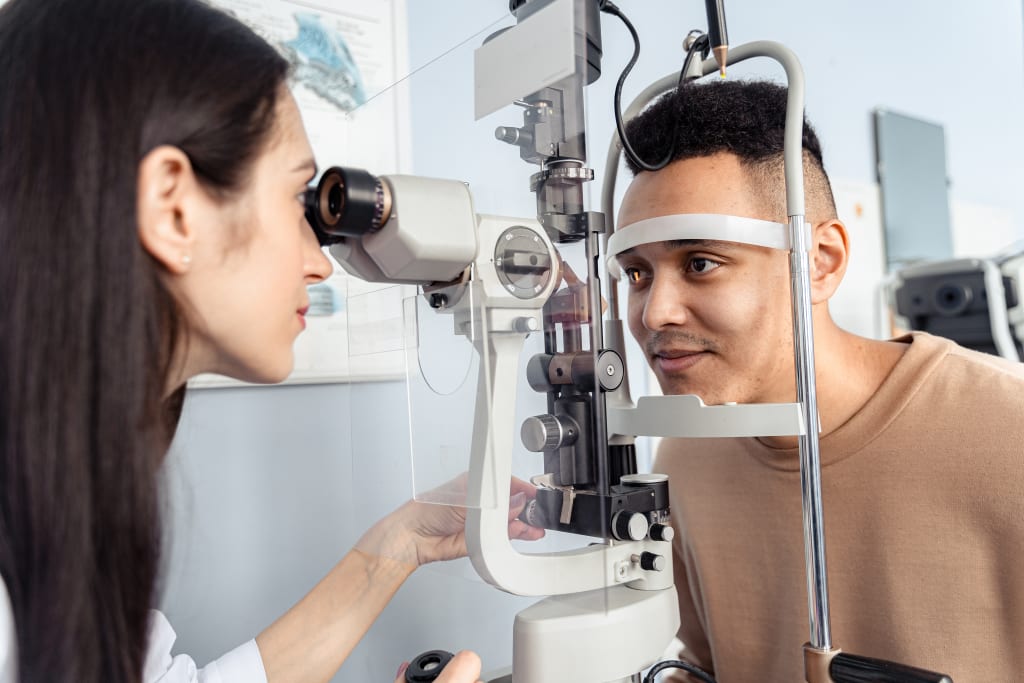
While the aforementioned symptoms are characteristic of macular degeneration, they can also occur in other eye conditions. Therefore, it is crucial for individuals experiencing these symptoms to consult an ophthalmologist for a thorough eye examination. An ophthalmologist will assess the retina and macula using specialized tests such as optical coherence tomography (OCT) and fundus photography to make an accurate diagnosis and rule out other eye diseases.
Types of Macular Degeneration:
There are two main types of macular degeneration: dry macular degeneration and wet macular degeneration.
1. Dry Macular Degeneration:
Dry macular degeneration is the most common form, accounting for approximately 80-90% of all cases. It is characterized by the accumulation of yellowish deposits called drusen beneath the macula. Drusen are composed of metabolic waste products that gradually accumulate over time, impairing the normal functioning of the macula. As drusen increase in size and number, they can lead to the thinning of the macula or the development of scar tissue, causing permanent vision loss in the central visual field. While dry macular degeneration progresses more slowly than the wet form, it can still significantly impact an individual's quality of life.
2. Wet Macular Degeneration:
Wet macular degeneration, also known as neovascular or exudative AMD, accounts for approximately 10-20% of cases. Unlike the dry form, wet macular degeneration involves the growth of abnormal blood vessels beneath the macula. These blood vessels are fragile and prone to leakage and bleeding, leading to the accumulation of fluid and blood in the retina. This results in sudden and severe vision loss, necessitating prompt medical intervention. If left untreated, wet macular degeneration can cause permanent damage to the macula and result in severe central vision impairment.
Risk Factors for Macular Degeneration:
While the exact cause of macular degeneration is unknown, several risk factors have been identified:
1. Age: Macular degeneration primarily affects older adults, with the majority of cases occurring after the age of 50.
2. Family History: Having a family history of macular degeneration increases the risk of developing the disease.
3. Smoking: Smoking has been strongly linked to an increased risk of macular degeneration. Smokers are more likely to develop the disease and experience more severe vision loss.
4. Race and Ethnicity: Caucasians, particularly those with light-colored irises, are at a higher risk of macular degeneration than people of other races or ethnicities.
5. Obesity and Poor Diet: A diet lacking in fruits, vegetables, and nutrients such as omega-3 fatty acids, lutein, and zeaxanthin
may contribute to the development of macular degeneration.
6. Cardiovascular Disease: Conditions such as high blood pressure, high cholesterol, and obesity increase the risk of macular degeneration.
7. Sun Exposure: Prolonged exposure to UV light without proper eye protection may increase the risk of macular degeneration.
Treatment Options for Macular Degeneration:
While there is currently no cure for macular degeneration, various treatment options aim to slow down its progression and preserve remaining vision. The specific treatment approach depends on the type and stage of the disease.
1. Dry Macular Degeneration:
For dry macular degeneration, there is no standard medical treatment available. However, certain lifestyle modifications may help slow its progression. These include maintaining a healthy diet rich in antioxidants, minerals, and vitamins (especially vitamins C, E, and zinc), regular exercise, not smoking, and protecting the eyes from harmful ultraviolet (UV) radiation.
2. Wet Macular Degeneration:
Wet macular degeneration often requires immediate intervention to prevent further vision loss. The primary treatment approach is the administration of anti-vascular endothelial growth factor (anti-VEGF) medications. These medications, such as ranibizumab (Lucentis), bevacizumab (Avastin), and aflibercept (Eylea), are injected into the eye, close to the retina, to inhibit the growth of abnormal blood vessels and reduce leakage and bleeding. Anti-VEGF injections are typically performed in an outpatient setting, and most patients experience minimal discomfort during the procedure. However, multiple injections may be necessary over time to maintain the treatment's efficacy.
In some cases, laser therapy or photodynamic therapy may be used as adjunctive treatments for wet macular degeneration. These procedures aim to seal leaking blood vessels or destroy abnormal blood vessels, respectively. However, these treatments are less commonly used today due to the widespread adoption of anti-VEGF therapy.
Clinical Trials and Future Directions:
Researchers and ophthalmologists are continually exploring new treatment options and conducting clinical trials to improve outcomes for individuals with macular degeneration. Stem cell therapy, gene therapy, and implantable devices are among the areas of ongoing research.
Conclusion:
Macular degeneration is a progressive eye disease that affects the central vision, leading to significant visual impairment. Recognizing the symptoms and seeking early diagnosis is crucial for timely intervention and treatment. Regular eye examinations by an ophthalmologist, adherence to recommended lifestyle modifications, and appropriate treatment, such as anti-VEGF injections, can help slow down the progression of the disease and preserve remaining vision. It is essential for individuals experiencing any changes in their vision to consult with their eye care professional to receive an accurate diagnosis and develop an individualized treatment plan. With advancements in research and ongoing medical advancements, the hope for improved treatments and management strategies for macular degeneration continues to grow.
About the Creator
Keep reading
More stories from Samreen Saleem and writers in Education and other communities.
Natural Remedies for Soothing a Sore Tongue
Introduction: Dealing with a sore tongue can be incredibly uncomfortable, making it difficult to eat, speak, or even enjoy a normal day. While it is crucial to consult a healthcare professional for a proper diagnosis and treatment, there are several effective home remedies that can help alleviate the discomfort of a sore tongue. These natural remedies, using readily available ingredients and techniques, can provide relief, promote healing, and restore oral comfort. In this article, we will explore a range of soothing home remedies for a sore tongue, enabling you to find relief in the comfort of your own home.
By Samreen Saleem3 years ago in Education
Olena Kalaitan on Mariupol, Journalism, Language, and War in Ukraine
Olena Kalaitan is a Ukrainian journalist and editor best known for leading Mariupol’s Pryazovskyi Robochyi newspaper and heading the Donetsk regional organization of the National Union of Journalists of Ukraine. During Russia’s 2022 siege of Mariupol, she stayed in the city for 23 days, survived the destruction of her home, and escaped on foot with her son. She later became a prominent voice for displaced journalists, media freedom, and the revival of independent Ukrainian journalism in occupied and war-affected regions. Kalaitan has also warned publicly against Russian propaganda issued under the stolen name of her newspaper during wartime occupation there.
By Scott Douglas Jacobsenabout 22 hours ago in Education
Creating Connections: How Churches Unite People Beyond Sunday
For many people, church is more than a place for worship. It becomes a center where relationships grow, and communities find strength. Creating Connections: How Churches Unite People Beyond Sunday reflects the idea that church life extends far beyond weekly gatherings. It provides opportunities for people to support one another, share experiences, and develop meaningful friendships.
By Mike Signorelliabout 4 hours ago in Education


Comments
There are no comments for this story
Be the first to respond and start the conversation.