
Understanding Hypertension
Silent Symptoms and Home Monitoring Tips

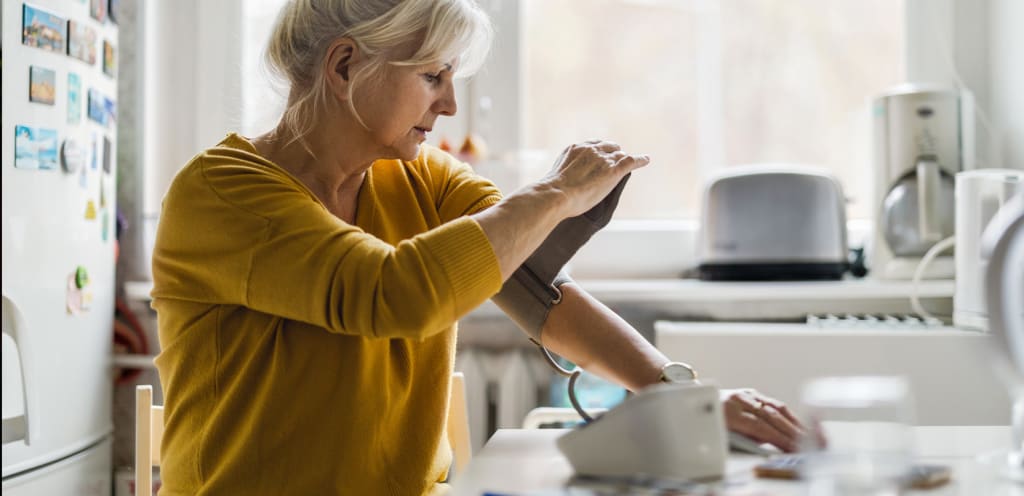
Hypertension, or high blood pressure, is one of the most common chronic health conditions worldwide, affecting people of all ages and backgrounds. Despite its widespread impact, it often goes undiagnosed due to its slow and silent development. Many individuals remain unaware of the condition until it leads to serious complications like heart attacks, strokes, or kidney problems.
Fortunately, with the rise of home monitoring devices and increased access to wellness education, managing hypertension is more achievable than ever. This article explains what hypertension is, why it's called the “silent killer,” its causes, how to monitor it at home, and how technology and lifestyle changes are shaping its future management.
What Is Hypertension?
Hypertension is a condition in which the force of the blood pushing against the walls of the arteries remains elevated for a prolonged period. This constant pressure forces the heart to work harder than it should to pump blood throughout the body. Over time, this added strain can damage blood vessels, lead to heart failure, and increase the risk of life-threatening events such as strokes.
Why Hypertension Is Called the “Silent Killer”
One of the most dangerous aspects of hypertension is that it rarely shows clear signs or symptoms, especially in its early stages. Many individuals live with elevated blood pressure for years without knowing it. By the time symptoms like headaches, dizziness, chest pain, or shortness of breath begin to appear, hypertension may already have caused serious damage to vital organs.
This silent progression is what makes hypertension so deadly. People often assume they are healthy until a crisis strikes. Therefore, routine monitoring becomes critical, especially for those with a family history or other risk factors.
Causes and Risk Factors of Hypertension
Hypertension is a complex condition influenced by multiple factors. Some people may inherit a predisposition to high blood pressure, while others may develop it due to poor lifestyle habits or underlying health conditions. The most common causes include obesity, a sedentary lifestyle, excessive salt intake, high alcohol consumption, smoking, chronic stress, and aging.
Certain medical conditions, such as diabetes, thyroid disorders, and sleep apnea, also contribute to the development of hypertension
The Role of Home Monitoring in Hypertension Management
With the advancement of digital health tools, home-based blood pressure monitoring has become a powerful ally in the fight against hypertension. Patients can now track their blood pressure levels at home using portable and accurate devices. This allows them to detect abnormal trends early and make informed decisions about their health.
How to Choose the Right Home Monitoring Device
When selecting a home blood pressure monitor, accuracy, ease of use, and comfort are essential considerations. Devices with upper-arm cuffs tend to be more reliable than wrist or finger monitors. Look for monitors that are clinically validated and approved by health authorities.For individuals with specific health needs, such as those managing multiple conditions, smart devices that sync with other health tracking tools offer additional convenience.
If you're shopping for health and wellness products online, platforms like DiabeticPro provide a wide range of dependable blood pressure monitors designed for both first-time users and experienced patients. Their selection makes it easier to find tools that suit your health goals while staying within your budget.
About the Creator
Ahmed Thind
MBA | Digital Marketer | SEO™ | SMO | Content Creation | Freelance SEO Consultant | Sagitario ♐
Keep reading
More stories from Ahmed Thind and writers in Education and other communities.
Discussing Different Types of Online Marketing – What is Right for Your Business?
Do you feel like you're stuck in a digital marketing rut? Are you unsure of which online marketing strategy to use for your business? Don't worry, you're not alone. In this blog post, we'll take a look at the different types of online marketing and help you make a decision as to which one is best for your business. We'll also answer some questions that you may have about online marketing, such as whether or not it's right for your business and why businesses should use online marketing. So read on and learn all about online marketing!
By Ahmed Thind3 years ago in Journal
Guide to Canada's Six Essential Learning Skills for Students
Written by Kiki Devano In Canada, there are the six essential skills that are encouraged for students to develop. These learning skills have a formidable impact on student learning and will help them achieve further success. This is a guide to aid students in successfully developing the essential skills.
By Kiki Devano4 days ago in Education
Benefits of Study Abroad Scholarships
Benefits of Study Abroad Scholarships Millions of students around the world long to study abroad. It's very exciting to have the chance to study at a foreign university, learn about a new culture, and build a career that spans the globe.
By Farida Kabir4 days ago in Education



Comments
There are no comments for this story
Be the first to respond and start the conversation.