
Understanding Dua Qunoot and Its Place in the Witr Prayer
What is Dua Qunoot?

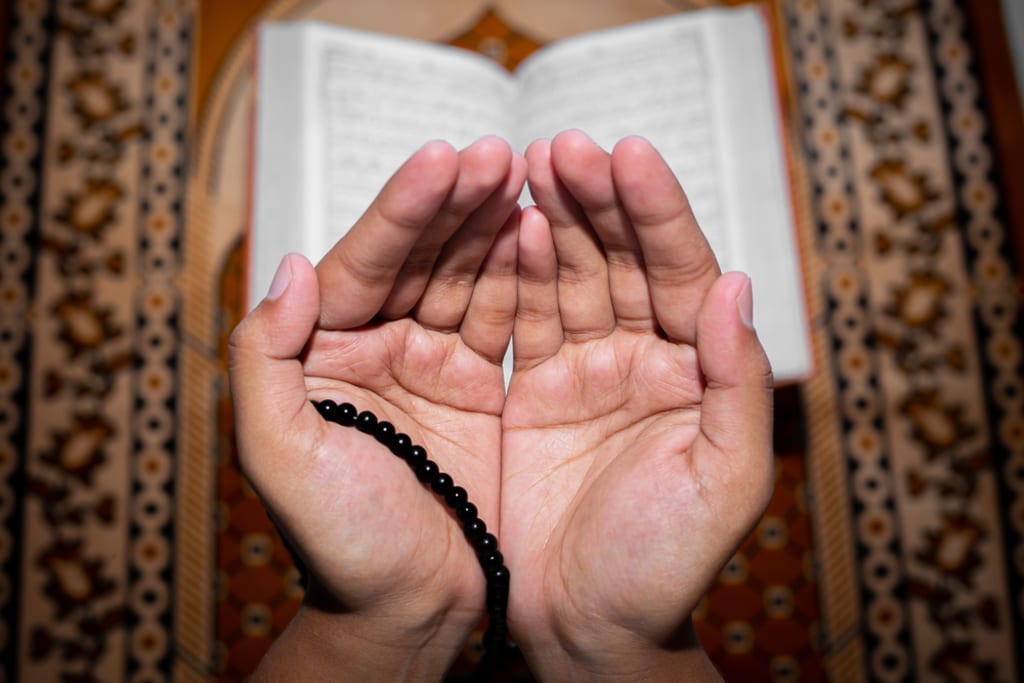
Dua Qunoot is a special supplication in Islamic prayer that holds a significant place in the hearts of many Muslims. It is particularly associated with the Witr prayer, which is performed after the Isha prayer. In this article, we will explore what Dua Qunoot is, its importance, and how it is integrated into the Witr prayer.
What is Dua Qunoot?
Dua Qunoot is a form of supplication that is recited during specific prayers, especially during Witr. The term "Qunoot" means to stand in humility before Allah. This dua serves as a means for Muslims to seek help, guidance, and forgiveness from Allah. It is often recited in times of distress or during moments when one is in need of divine support.
The beauty of Dua Qunoot lies in its heartfelt nature. It is a time to reflect on one’s life, acknowledge one’s shortcomings, and express gratitude to Allah. Many Muslims find solace in this supplication, as it allows them to connect with their Creator on a personal level.
The Importance of Witr Prayer
Witr prayer, which means "the odd one," is an essential Sunnah prayer performed after the Isha prayer. It consists of one or more rakats (units of prayer), typically ending with a single rakat. The Witr prayer is highly recommended and is often seen as a means to conclude the day with supplication and remembrance of Allah.
Witr is unique because it offers a chance for Muslims to engage in personal reflection and supplication, making it a perfect setting for reciting Dua Qunoot. This prayer emphasizes the importance of seeking Allah’s mercy, especially at the end of the day when one can contemplate their actions.
How Dua Qunoot Fits into Witr Prayer
In the Witr prayer, Dua Qunoot is recited after the bowing (ruku) in the second rakat, before proceeding to the final prostration. This placement is significant because it highlights the importance of supplication at a moment of closeness to Allah. It is a time when worshippers are reminded of their reliance on Allah’s mercy and guidance.
The timing of Dua Qunoot in the Witr prayer is intentional. By placing it at this crucial moment, worshippers are encouraged to pour their hearts out to Allah. This is a time to ask for forgiveness, guidance, and support for both personal struggles and communal issues.
The Content of Dua Qunoot
While the wording of Dua Qunoot can vary, it often includes pleas for mercy, protection, and guidance. Some common themes include asking for forgiveness for sins, requesting help in facing difficulties, and seeking a path toward righteousness. The dua encourages worshippers to be specific in their requests, allowing for a more personal connection with Allah.
Muslims may recite this dua in their native language or in Arabic, depending on their comfort level. The key is to recite it sincerely and with full concentration, making it a powerful moment of worship.
Benefits of Reciting Dua Qunoot
The benefits of reciting Dua Qunoot during the Witr prayer are manifold. Firstly, it serves as a reminder of Allah’s mercy and compassion. This dua provides comfort during difficult times, allowing worshippers to release their worries and place their trust in Allah.
Additionally, Dua Qunoot fosters a sense of community, especially when recited in congregational prayers. It reinforces the bond among worshippers as they collectively seek Allah’s mercy. This shared experience can be uplifting, enhancing the spiritual atmosphere of the prayer.
Conclusion
Dua Qunoot is an integral part of the Witr prayer, offering a beautiful opportunity for Muslims to connect with Allah. By reciting this heartfelt supplication, worshippers acknowledge their reliance on divine guidance and mercy. It serves as a moment to reflect on their day, seek forgiveness, and express gratitude.
Whether you are new to the practice or have been reciting Dua Qunoot for years, remember that the sincerity of your heart is what truly matters. As you stand in prayer, take this moment to connect deeply with your Creator and seek the blessings and guidance that only He can provide. The Witr prayer, with its inclusion of Dua Qunoot, serves as a powerful reminder of the importance of faith, reflection, and community in the life of a Muslim.
About the Creator
Smart Home Plumbing Habits That Protect Your Pipes
Owning a home brings pride and comfort. It also brings responsibility. Plumbing is one of the most critical systems in any house. Small mistakes can lead to leaks, damage, and high repair costs. This guide shares essential plumbing tips every homeowner should know. The goal is to help you avoid trouble and keep your home running smoothly.
By Lickety Split4 days ago in Education
The Mental Edge in Golf: How Emotional Control and Focus Drive Peak Performance
Golf is widely recognized as a technical sport, but seasoned players know that true success begins in the mind. The mental game of golf plays a decisive role in shot consistency, course management, and competitive confidence. From handling pressure on the tee box to maintaining concentration on the final putt, mental toughness in golf often determines outcomes more than physical strength or swing mechanics.
By Jeb Kratzig6 days ago in Education
The Devil's Cut
“Comrade, finally you’re awake.” The voice was smooth, sensual. A flickering incandescent bar was all that lit the white, sterile room. All Vladimir remembered was everything going black. He tried to move his arms and found them strapped to the gurney.
By Matthew J. Fromm4 days ago in Fiction



Comments
There are no comments for this story
Be the first to respond and start the conversation.