
Understanding and Overcoming Traffic Challenges
Unraveling the Gridlock
Introduction:
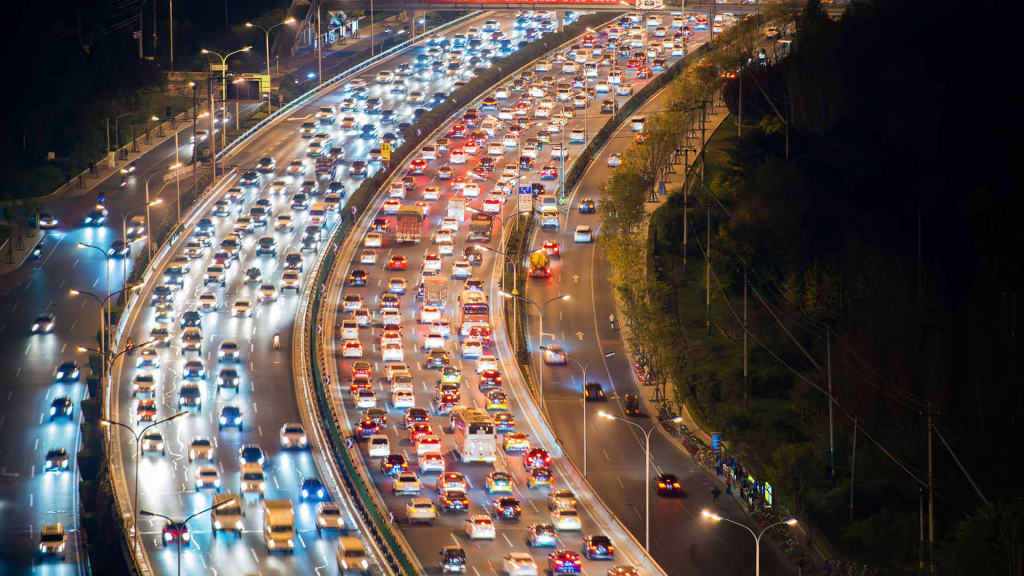
Traffic congestion has become an ever-growing problem in urban areas around the world, causing frustration and wasted time for millions of commuters. The negative consequences of traffic extend beyond inconvenience, impacting the economy, environment, and overall quality of life. In this article, we delve into the causes of traffic, its effects, and explore potential solutions to alleviate this modern-day dilemma.
Understanding the Causes:
Several factors contribute to traffic congestion. Rapid urbanization, population growth, inadequate infrastructure, and inefficient transportation systems all play a significant role. As more people migrate to cities in search of better opportunities, the demand for transportation increases exponentially, often surpassing the capacity of existing road networks. Additionally, a rise in vehicle ownership and reliance on private cars exacerbates congestion.
The Effects of Traffic:
Traffic congestion has far-reaching consequences, affecting various aspects of our lives. Economically, traffic costs billions of dollars in lost productivity due to delays and increased fuel consumption. Furthermore, businesses suffer from disrupted supply chains and reduced customer accessibility. Socially, traffic leads to heightened stress levels, decreased well-being, and an overall decline in the quality of life. Environmentally, it contributes to increased air pollution and greenhouse gas emissions, exacerbating climate change and impacting public health.
Exploring Potential Solutions:
1. Infrastructure Development: Investing in the expansion and improvement of road networks, bridges, and tunnels can help alleviate traffic congestion. Constructing new highways, adding lanes to existing roads, and optimizing traffic signal systems can improve traffic flow.
2. Public Transportation: Enhancing and promoting the use of public transportation systems, such as buses, trams, and trains, can reduce the number of private vehicles on the road. Efficient and reliable public transit options provide commuters with viable alternatives, reducing congestion and improving air quality.
3. Carpooling and Ridesharing: Encouraging carpooling and ridesharing initiatives can significantly reduce the number of vehicles on the road. Ride-hailing platforms can play a crucial role in facilitating these arrangements, promoting shared transportation and reducing traffic congestion.
4. Active Transportation: Investing in pedestrian and cycling infrastructure promotes healthier lifestyles while reducing traffic congestion. Building dedicated bicycle lanes, improving sidewalks, and creating pedestrian-friendly zones can encourage people to opt for alternative modes of transport for short-distance trips.
5. Smart Traffic Management: Utilizing advanced technology and data-driven solutions can optimize traffic flow. Intelligent traffic management systems, including adaptive traffic signals and real-time traffic monitoring, can help reduce congestion by dynamically adjusting traffic patterns based on current conditions.
Conclusion:
Addressing traffic congestion requires a multifaceted approach that combines infrastructure development, sustainable transportation options, and smart traffic management systems. Governments, urban planners, and communities must work together to implement comprehensive strategies aimed at reducing traffic, improving mobility, and creating more livable cities. By embracing innovative solutions and prioritizing sustainable transportation, we can pave the way for a future where traffic congestion becomes a thing of the past, leading to a more efficient, environmentally friendly, and enjoyable urban experience for all.
Introduction:
Traffic congestion has become an increasingly pervasive issue in cities worldwide, causing frustration, wasted time, and negative impacts on the environment. As urban populations continue to grow and personal vehicle ownership rises, finding effective solutions to tackle traffic has become a pressing concern. In this article, we delve into the complexities of traffic, exploring its causes, consequences, and potential solutions.
Understanding the Causes:
A multitude of factors contribute to traffic congestion. Rapid urbanization and population growth result in increased vehicle ownership, leading to more cars on the roads. Inadequate road infrastructure, poor traffic management systems, and inefficient transportation planning exacerbate the problem further. Additionally, the lack of alternative transportation options and the convenience of private vehicles contribute to the reliance on cars, intensifying congestion.
Consequences of Traffic Congestion:
The consequences of traffic congestion extend far beyond mere inconvenience. Economically, traffic jams lead to substantial productivity losses due to delays in commuting and transportation of goods. Wasted fuel and increased emissions from idling vehicles contribute to air pollution and environmental degradation.
About the Creator
Shairyal
I'm "Shairyal", a gifted content writer, possesses a unique talent for crafting engaging and impactful written material.I consistently delivers exceptional content that captivates readers and leaves a lasting impression.
Why BIM Coordination Is Critical for Boston’s Dense Urban Construction Projects?
Boston’s construction landscape is unlike most U.S. cities. With its dense urban fabric, historic buildings, narrow streets, underground utilities, and strict regulatory environment, even small construction errors can cause major delays and cost overruns. In such a complex environment, BIM coordination is no longer optional—it is essential.
By Matt Sharon5 days ago in Education
Dr. Sam Adeyemi on Belonging, Discipline, and Restoration: Theology of Community in Christianity
Dr. Sam Adeyemi is an Atlanta-based CEO, executive coach, and author who leads Sam Adeyemi, GLC, Inc. He founded and serves as executive director of Daystar Leadership Academy, whose programs have graduated 45,000+ alumni. With a large social-media following, he delivers leadership and organizational-growth guidance to executives worldwide. Adeyemi earned a Doctorate in Strategic Leadership from Regent University and belongs to the International Leadership Association. His books include Dear Leader: Your Flagship Guide to Successful Leadership and SHIFTS. He also cofounded Daystar Christian Centre in Lagos, Nigeria, where he is Senior Pastor. He lives in Atlanta with his wife, Nike.
By Scott Douglas Jacobsen4 days ago in Education



Comments