
Understand Engineering Materials
Why Engineers Must Understand Engineering Materials Especially in Construction


Why Engineers Must Understand Engineering Materials – Especially in Construction
If you're working in construction or planning to the more you understand materials, the more powerful you are. It’s not just about knowing what concrete is made of or when to use steel instead of wood. It’s about really understanding the science behind those choices. Because at the end of the day, materials are the building blocks of everything we design, build, or maintain.
The Real Importance of Materials in Engineering
Imagine trying to bake a perfect cake without knowing what flour does, or how eggs affect texture. That’s how it is for engineers who don’t fully understand the materials they use.
Whether you're a civil, mechanical, or even an electrical engineer, materials will be part of your everyday life. And they’re not just passive pieces—they behave, react, expand, shrink, break, and sometimes fail. Knowing why they act that way is what makes you a better engineer.
Materials Are More Than Just Stuff
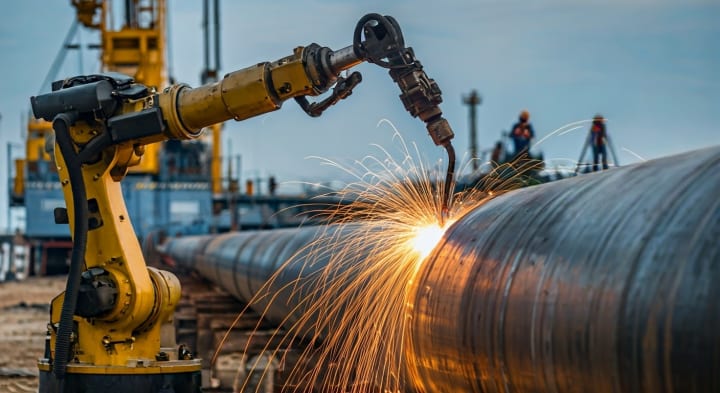
A lot of people think materials are just “things.” But they’re more than that. Every material has specific mechanical properties like strength, toughness, ductility, and hardness. Some are good under pressure, some hate heat, and some can take crazy amounts of stress before cracking.
Here's a breakdown of some major types of engineering materials:
1. Metals
Metals like steel, aluminum, and copper are essential in construction, automotive, and machinery. They're strong, durable, and usually great with heat and load. But if you don’t know how they react to corrosion or fatigue, you might pick the wrong type for a project and cause serious problems.
2. Polymers
Plastics aren’t just for toys. Polymers are used in insulation, coatings, pipes, and even in structural design. They’re light, flexible, and can be resistant to chemicals but not all of them. Choosing the wrong one can be a costly mistake.
3. Ceramics
These include bricks, tiles, and advanced ceramics used in electronics or aerospace. They’re hard and heat-resistant but brittle. Great for specific jobs but not ideal where flexibility is needed.
4. Composites
Composites are like a custom recipe fiberglass, carbon fiber, or reinforced concrete. They combine the best of different materials. But to use them well, you need to understand how the mix works under pressure, stress, or over time.
How Understanding Materials Makes You a Better Leader
Here’s where it gets interesting knowing materials doesn’t just make you smarter, it makes you a leader.
When a construction site faces issues like a crack in a beam, or corrosion in a pipe it’s the engineer who understands material behavior who steps in with answers. They can explain not just what went wrong, but why, and how to fix it.
That engineer is also better at managing resources. Why? Because they know how to choose cost-effective materials without sacrificing safety or performance. They understand timelines for wear, maintenance needs, and long-term reliability.
Materials Matter Across All Engineering Fields
This isn’t just for civil engineers. Electrical engineers need to know about conductive and insulating materials. Mechanical engineers work with moving parts and must know how heat and friction affect metals or polymers. Even in renewable energy, materials are critical—solar panels, wind turbines, and battery tech all rely on materials science.
It’s Your Edge in the Real World
In the real world, no one wants an engineer who just follows a plan. Companies want someone who understands why things are done a certain way and materials knowledge gives you that edge.
If you want to grow in your field, take the time to learn about the materials you work with. Test them. Read about them. Take a course. The more you understand the invisible forces at play—the heat, the pressure, the stress—the better decisions you’ll make.
And if you're looking for a complete course that breaks all of this down for you, check out this one:
Material Science for Engineers – Full Course
Because in engineering, it’s not just what you build—it’s what you build with.
About the Creator
Sayed Zewayed
writer with a background in engineering. I specialize in creating insightful, practical content on tools. With over 15 years of hands-on experience in construction and a growing passion for online, I blend technical accuracy with a smooth.
Keep reading
More stories from Sayed Zewayed and writers in Education and other communities.
The Quantum Computing Revolution: The Beginning of a New Era Beyond Imagination
The Quantum Computing Revolution: The Beginning of a New Era Beyond Imagination Introduction: At the heart of every scientific revolution is an idea that was originally just science fiction. With the rapid advancement of technology, the quantum computer is becoming increasingly popular, ushering in a new era in which reality challenges the boundaries of logic and redefines the meaning of computing. But how did this story begin? Who controls it? What awaits us in a world where atoms control our daily decisions?
By Sayed Zewayed11 months ago in Education
Pearl
1980 something. we all hung out at Pearl and you and i were nothing special, or so i thought. i mean we all danced, drenched in our own sweat, our own saline solution of fear, too many beers, shots, laughter, tears, fucks in the bathroom and i don't know when we began to be afraid. do you?
By ROCK aka Andrea Polla (Simmons)5 days ago in Fiction




Comments
There are no comments for this story
Be the first to respond and start the conversation.