
Types of Welding Electrodes and their Uses
Types of Welding Electrodes and their Uses

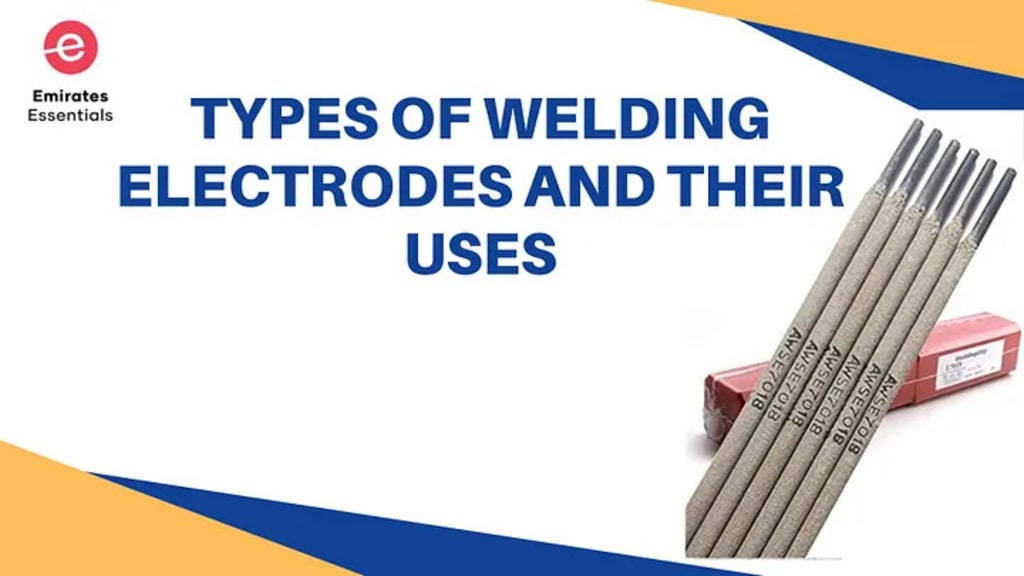
Welding electrodes aren’t just metal rods—they’re the heart of every strong, reliable weld. Choosing the right electrode affects everything from the strength of your weld to the finish of your work. Whether you’re working on mild steel, stainless steel, or cast iron, knowing your electrode types can make or break your project. Let’s break down what welding electrodes are, explore their types, how they work, and why the right choice matters.
What Is a Welding Electrode?
Welding electrodes are metal rods that conduct electricity during welding. As they strike an arc between metal parts, they generate heat that melts the base material—and in many cases, the electrode itself—to form a joint.
There are two main classifications:
Consumable electrodes, which melt and become part of the weld
Non-consumable electrodes remain intact and don’t melt during welding.
Made from materials like mild steel, stainless steel, or aluminum alloys, electrodes are chosen based on the welding method and the metals being joined. Using the right material ensures a reliable and durable weld every time.
Looking for reliable welding machines in the UAE? Emirates Essential brings you top quality at the best prices with speedy delivery. Shop now!
Different Types of Welding Electrodes
When discussing types of welding electrodes, we refer to the specific kinds based on the metal or application. The four most common types are
Mild Steel Electrodes
These electrodes are mainly designed for welding low-carbon steel. They are easy to handle and are frequently used in many general welding tasks.
Stainless Steel Electrodes
Made for welding stainless steel, these electrodes resist rust and are perfect for projects that require strong, clean welds.
Cast Iron Electrodes
Specifically designed to weld cast iron parts, these electrodes help repair broken or worn cast iron equipment.
Aluminum Electrodes
Used for welding aluminum, these electrodes need special care but are essential for lightweight metal work. Each type is made to match the metal and welding requirements, so choosing the right one ensures a strong, durable weld.
Where Are Welding Electrodes Used?
A Tool That Powers Countless Industries
- Welding electrodes are indispensable in multiple sectors:
- Building and construction
- Auto repair and fabrication
- Shipbuilding
- Aerospace work
- Pipe and pressure vessel welding
The arc welding electrode material must match the base metal for a strong bond. Using the wrong type can lead to weak joints or corrosion.
Welding Electrode Price: What to Expect (USD version)
Welding electrode prices can vary based on material, type, and brand. Here’s a general price range in USD:
Mild Steel Electrodes:
\$3 to \$7 per kilogram
Stainless Steel Electrodes:
\$10 to \$18 per kilogram
Aluminum Electrodes:
\$15 to \$25 per kilogram
Cast Iron Electrodes:
\$12 to \$20 per kilogram.
Conclusion
Welding electrodes are essential for every welding project. Selecting the right type and material ensures strong, lasting welds. Whether working with mild steel, stainless steel, or aluminum, matching the electrode to the metal is crucial. Remember, consumable and non-consumable electrodes serve different purposes, so understanding their functions will improve your results. Welding combines both art and science, and having the proper electrode makes all the difference.
FAQs
1. What is the main function of an electrode?
The main function of a welding electrode is to carry electric current into the welding area. This current creates the heat needed to melt the metal. In many cases, the electrode also melts and fills the joint, becoming part of the weld itself.
2. How do welding electrodes work?
Welding electrodes conduct electricity to the metal being welded. When you touch the electrode to the metal surface and pull it slightly away, it creates a hot arc. This arc produces enough heat to melt the base metal and the electrode, if it’s consumable, allowing them to join together as the weld cools and hardens.
3. What materials are used to make welding electrodes?
Common welding electrode materials include mild steel, stainless steel, and tungsten. The coating may have flux to protect the weld from the air.
4. How can I select the best welding electrode for my project?
To select the right welding electrode, first consider the metal you need to weld. Different metals need different electrode materials. Also, consider the strength of the weld and the type of welding method you will use. For example, when welding mild steel, use mild steel electrodes. If you need a weld that won’t rust, go for stainless steel electrodes. Checking the electrode’s details will help you find the best match for your project.




Comments
There are no comments for this story
Be the first to respond and start the conversation.