
Types of cooking
There are numerous types of cooking techniques and styles used worldwide. Here are some of the common ones:
Grilling: Cooking food over direct heat, usually on a grill or barbecue. It imparts a smoky flavor and attractive grill marks to the food.
Roasting: Cooking food in an oven at high heat, typically with dry heat. Roasting is commonly used for meats, poultry, and vegetables to achieve caramelization and a crispy exterior.
Baking: Cooking food in an oven using dry heat, but at lower temperatures than roasting. It is commonly used for bread, cakes, pastries, and casseroles.
Boiling: Cooking food in a liquid at a high temperature. This technique is used for boiling vegetables, pasta, grains, and making soups and stocks.
Steaming: Cooking food by exposing it to steam. Steaming helps retain nutrients and results in tender and moist dishes. It is commonly used for vegetables, seafood, and dumplings.
Sautéing: Cooking food quickly in a small amount of fat over high heat. It is characterized by tossing or stirring the food in the pan to evenly cook and develop flavors. Sautéing is commonly used for vegetables, meats, and stir-fry dishes.
Stir-Frying: A high-heat cooking technique that involves quickly frying small pieces of food in a wok or a pan while continuously stirring. Stir-frying is commonly associated with Asian cuisine and is used for dishes such as stir-fried noodles and vegetables.
Deep-Frying: Immersing food completely in hot oil or fat to cook it quickly and create a crispy exterior. This technique is used for fried chicken, French fries, and various other fried foods.
Braising: Slow-cooking food in a covered pot with a small amount of liquid, usually with meat or vegetables. Braising results in tender, flavorful dishes.
Sous Vide: A technique that involves vacuum-sealing food in a bag and cooking it in a water bath at a precise temperature for an extended period. Sous vide cooking helps retain moisture and produces evenly cooked food.
These are just a few examples of cooking techniques, and there are many more variations and regional styles around the world. Each method offers unique results and flavors, allowing for a diverse range of culinary experiences.
Grilling
Grilling food is a popular cooking method that involves cooking food directly over an open flame or a hot surface. It's a fantastic way to add flavor and achieve a delicious smoky taste to various types of foods, including meat, poultry, seafood, vegetables, and even fruits. Here are some general tips for grilling:
Preheat the grill: It's essential to preheat your grill before cooking. This helps to ensure even cooking and prevents sticking. Preheating times can vary depending on the type of grill you're using, but generally, it takes about 10-15 minutes for gas grills and 20-30 minutes for charcoal grills.
Clean the grill grates: Make sure to clean the grates thoroughly before cooking. Use a grill brush to remove any leftover debris or residue from previous use. This helps to prevent food from sticking and ensures proper heat transfer.
Oil the grill grates: Before placing your food on the grill, lightly oil the grates to prevent sticking. You can use a brush or a folded piece of paper towel dipped in oil to coat the grates.
Use direct and indirect heat zones: Most grills have areas with different heat levels. Direct heat refers to cooking directly over the flame or heat source, while indirect heat means cooking next to or away from the flame. By utilizing both zones, you can sear food quickly over direct heat and then move it to indirect heat for slower, more even cooking.
Marinate or season the food: Marinating your meats, poultry, or vegetables can add extra flavor and help tenderize the food. You can also season them with dry rubs or spices just before grilling. Allow sufficient time for the flavors to penetrate the food before cooking.
Monitor cooking time and temperatures: Keep a close eye on the cooking time and internal temperatures of the food you're grilling. Use a meat thermometer to ensure that meats and poultry reach safe internal temperatures to prevent foodborne illnesses.
Don't flip too often: Avoid flipping the food too frequently. Let it cook undisturbed for a few minutes on each side to develop a nice crust and grill marks. Flipping too often can cause the food to stick or become less tender.
Use proper grilling tools: Invest in high-quality grilling tools such as long-handled tongs, spatulas, and a meat thermometer. These tools will make it easier to handle the food and ensure safe cooking practices.
Rest the food before serving: After grilling, allow your food to rest for a few minutes before serving. This helps to retain the juices and enhances the flavors.
Remember that specific foods may require different grilling techniques and cooking times. It's always a good idea to consult recipes or specific guidelines for the food you plan to grill. Enjoy your grilling adventures!
https://amzn.to/45GqPzv
Roasting
Roasting is a cooking method that involves cooking food in an oven or over an open flame, usually at a higher temperature than baking. It is commonly used for meats, vegetables, and even certain fruits. Roasting helps to enhance the flavors, create a golden-brown exterior, and achieve a tender and juicy interior. Here are some general tips for roasting:
Preheat the oven: Preheating the oven is essential for even cooking. Follow the recipe guidelines or preheat the oven to the desired temperature mentioned for your specific dish.
Prepare the food: Season or marinate the food before roasting to add flavor. You can use a variety of herbs, spices, rubs, or marinades depending on the type of food you're roasting. Allow the food to sit for a while to absorb the flavors.
Use a roasting rack or pan: For meats or poultry, it's recommended to use a roasting rack set inside a roasting pan. The rack elevates the food, allowing heat to circulate evenly around it and helping to ensure a crispy exterior. The pan collects any drippings for making sauces or gravies.
Baste or use a cooking liquid: Basting is the process of brushing or spooning the food with its juices or a flavorful liquid during cooking. Basting helps to keep the food moist and adds extra flavor. You can also add some cooking liquid, such as broth or wine, to the bottom of the roasting pan to create steam and prevent the food from drying out.
Monitor cooking time and temperature: Keep an eye on the cooking time and temperature specified in the recipe. Use a meat thermometer to check the internal temperature of the meat to ensure it reaches the desired level of doneness. The cooking time can vary based on the size and type of food you're roasting.
Consider the placement in the oven: The position of the food in the oven can affect the cooking process. Generally, placing the food in the center of the oven helps to ensure even heat distribution. If you're roasting multiple dishes simultaneously, make sure there is enough space between them for proper air circulation.
Let the food rest: After roasting, remove the food from the oven and allow it to rest for a few minutes. This helps the juices redistribute, resulting in a more flavorful and tender final product.
Utilize pan drippings: The drippings collected in the roasting pan can be used to make delicious sauces or gravies. Skim off the excess fat and combine the drippings with other ingredients like broth, wine, or herbs to create a flavorful sauce to accompany your roasted dish.
Remember, specific recipes and foods may have different requirements for roasting. It's always a good idea to consult a recipe or follow specific guidelines for the best results. Happy roasting!
Baking
Baking is a cooking method that uses dry heat to cook food in an enclosed space, typically an oven. It is a versatile technique used for making a wide variety of dishes, including bread, cakes, cookies, pastries, and more. Baking relies on consistent heat circulation to cook the food evenly and create desirable textures and flavors. Here are some general tips for baking:
Preheat the oven: Preheating the oven is essential for baking. It allows the oven to reach the desired temperature before you place the food inside. Follow the recipe instructions for the appropriate temperature or preheat to the recommended temperature mentioned in the recipe.
Gather the necessary ingredients: Baking requires precise measurements, so it's important to have all the ingredients ready and accurately measured before you start. Follow the recipe closely and measure ingredients like flour, sugar, baking powder, and spices using measuring cups or spoons.
Prepare the baking pans: Depending on the recipe, you may need to prepare the baking pans before using them. Grease or line the pans with parchment paper to prevent sticking. This step is particularly important for cakes and delicate baked goods.
Mix ingredients properly: Follow the recipe instructions for mixing the ingredients. Be careful not to overmix the batter or dough, as this can result in a tough texture. Use a spatula or wooden spoon to gently combine the ingredients until just incorporated.
Use oven mitts and handle hot items carefully: When placing or removing items from the oven, always use oven mitts or potholders to protect your hands. Be cautious while handling hot pans and baking sheets to avoid burns.
Pay attention to baking time: Follow the suggested baking time in the recipe as a general guideline. However, baking times can vary depending on your oven, the size of the baking dish, and other factors. Check for doneness by inserting a toothpick or a cake tester into the center of the baked item. If it comes out clean or with a few crumbs, it is usually done.
Rotate pans if needed: If you're baking multiple items on different racks in the oven, you may need to rotate the pans halfway through the baking process. This helps ensure even browning and cooking.
Allow for cooling time: After baking, allow the baked goods to cool in the pan for a few minutes, as specified in the recipe. Then, transfer them to a wire rack to cool completely. Cooling allows the flavors to develop fully and helps achieve the desired texture.
Decorate and frost if desired: Once the baked goods are completely cooled, you can decorate or frost them according to your preference. Use icing, glazes, frosting, or other toppings to enhance the appearance and taste of your baked creations.
Remember to always follow specific recipes for baking, as different recipes may have different instructions and requirements. Baking can be a fun and rewarding experience, so enjoy the process and savor the delicious results!
Boiling
Boiling is a cooking method that involves heating a liquid to its boiling point, where it reaches a vigorous bubbling state and evaporates. It is commonly used to cook a variety of foods, including pasta, rice, vegetables, and eggs. Here are some general tips for boiling:
Choose the right pot: Select a pot that is large enough to accommodate the food you're boiling and has enough room for water to cover the ingredients. Using a pot that is too small may lead to overcrowding and uneven cooking.
Add water and salt: Fill the pot with enough water to fully cover the food you're boiling. As a general guideline, use approximately 1 quart (4 cups) of water for every 4 ounces of pasta or 1 cup of rice. Add salt to the water to enhance the flavor of the food. A rule of thumb is to use about 1 teaspoon of salt per quart of water.
Bring the water to a boil: Place the pot on the stovetop and turn on the heat. Cover the pot with a lid to help the water come to a boil faster. High heat is typically used to bring the water to a boil more quickly.
Add the food: Once the water reaches a rolling boil, carefully add the food to the pot. Be cautious to avoid any splattering or boiling water spills.
Adjust the heat: After adding the food, you can reduce the heat to a gentle simmer. This ensures that the food cooks at a steady pace without boiling too vigorously. Maintain the simmer by adjusting the heat as needed.
Cook for the appropriate time: The cooking time depends on the food you're boiling. Follow the instructions provided in recipes or on packaging. Overcooking can lead to mushy or overdone results, while undercooking can result in food that is not fully cooked or too firm.
Test for doneness: Use a fork, knife, or a toothpick to check the doneness of the food. Insert it into the center of the food, such as pasta or vegetables, to see if it's tender. For boiled eggs, you can gently spin them to check for doneness (soft, medium, or hard-boiled).
Drain the food: Once the food is cooked to your desired level, carefully pour or use a colander to drain the boiling water from the pot. Be cautious to avoid any steam or hot water splatters. Rinse the food with cold water if necessary to stop the cooking process.
Season or serve: Season the boiled food with additional seasonings or sauces if desired. Serve it immediately while it's still hot and enjoy!
Remember that specific foods may have different boiling techniques and cooking times. It's always a good idea to consult recipes or specific guidelines for the food you plan to boil. Happy cooking!
Steaming
Steaming is a gentle cooking method that involves using steam to cook food. It's a healthy and versatile technique that helps to retain the natural flavors, colors, and nutrients of the ingredients. Steaming is commonly used for vegetables, seafood, poultry, and even desserts. Here are some general tips for steaming:
Choose the right equipment: You will need a steaming apparatus such as a steamer basket, bamboo steamer, or a steaming pot with a fitted lid. Ensure that the steamer fits securely in the pot and allows steam to circulate freely around the food.
Add water: Fill the bottom of the steaming pot with water, making sure it doesn't touch the bottom of the steamer basket. The amount of water will depend on the size of the pot and the cooking time required. Generally, it's recommended to use about an inch or two of water.
Preheat the water: Place the pot with the water on the stove and bring it to a simmer or low boil. This allows steam to form quickly when the food is placed in the steamer.
Prepare the food: Clean and trim the ingredients you're steaming, such as vegetables or seafood. Cut them into even-sized pieces to ensure uniform cooking. You can also season the food with herbs, spices, or sauces before placing it in the steamer.
Arrange the food in the steamer: Place the food in a single layer in the steamer basket, ensuring that there is space between the individual pieces for the steam to circulate. Avoid overcrowding the steamer, as it may result in uneven cooking.
Steam the food: Carefully place the steamer basket over the simmering water in the pot. Cover the pot with the lid to trap the steam. Make sure the lid fits tightly to prevent steam from escaping. Steam the food according to the recommended cooking times for each ingredient. Different foods have different cooking times, so it's important to follow specific guidelines.
Check for doneness: Use a fork or a toothpick to test the doneness of the food. Insert it into the thickest part of the food, such as the center of a vegetable or the thickest part of a piece of fish. If it goes through easily with little resistance, the food is done.
Remove from heat and serve: Once the food is cooked to your desired level, carefully remove the steamer basket from the pot. Be cautious of the hot steam. Serve the steamed food immediately while it's still hot and enjoy its natural flavors.
Season or garnish if desired: Steamed food can be enjoyed as it is or seasoned with additional herbs, spices, sauces, or dressings. You can also garnish it with fresh herbs, lemon zest, or a drizzle of olive oil to enhance the flavors.
Remember to follow specific guidelines or recipes for steaming different types of food, as the cooking times and methods may vary. Steaming is a great way to enjoy nutritious and delicious meals. Happy steaming!
Sautéing
Sautéing is a cooking technique that involves quickly frying food in a small amount of oil or fat over high heat. It's a versatile method used to cook various ingredients, such as vegetables, meat, poultry, seafood, and even tofu. Sautéing allows for rapid cooking and results in flavorful, tender, and slightly caramelized food. Here are some general tips for sautéing:
Choose the right pan: Use a skillet or sauté pan with a wide, flat bottom and sloping sides. This shape allows for even heat distribution and easy tossing or stirring of the ingredients.
Preheat the pan: Place the pan over medium-high to high heat and let it heat up for a minute or two. It's important to preheat the pan before adding the oil to ensure even cooking.
Add oil or fat: Once the pan is heated, add a small amount of oil or fat. You can use cooking oils like olive oil, vegetable oil, or butter, depending on your preference and the flavor profile you want to achieve. Swirl the oil around the pan to coat the surface evenly.
Add the ingredients: Carefully add the ingredients you want to sauté to the hot pan. Make sure the pan isn't overcrowded to allow the food to cook evenly. It's better to sauté in batches if you have a large quantity of food.
Maintain high heat: Keep the heat high throughout the sautéing process to ensure that the food cooks quickly and develops a nice brown color. High heat helps to seal in the flavors and textures of the ingredients.
Toss or stir frequently: Use a spatula or tongs to toss or stir the ingredients frequently as they cook. This helps to ensure even cooking and prevents sticking or burning. For a more uniform cooking result, you can also shake the pan to move the ingredients around.
Cook until desired doneness: Sautéing is a relatively quick cooking method, so pay attention to the doneness of the ingredients. Vegetables should be crisp-tender, meat and poultry should be cooked through, and seafood should be opaque and flaky. Cooking times can vary depending on the ingredient and its size, so it's important to monitor them closely.
Season with salt and other flavors: Season the sautéed ingredients with salt and any other desired seasonings near the end of cooking. This allows the flavors to penetrate the food without the risk of over salting.
Serve immediately: Once the ingredients are cooked to your desired level, remove them from the heat and transfer them to a serving dish. Sautéed food is best enjoyed immediately while it's still hot and retains its texture and flavor.
Remember that sautéing requires quick and attentive cooking to avoid burning or overcooking the ingredients. Practice and experimentation will help you master the technique and achieve delicious results. Enjoy your sautéed dishes!
Stir-frying
Stir-frying is a popular cooking technique in Chinese cuisine that involves cooking small, bite-sized pieces of food quickly over high heat in a small amount of oil. It's a fast and efficient method that retains the natural flavors, textures, and colors of the ingredients. Stir-frying is typically done in a wok or a large, flat-bottomed skillet. Here are some general tips for stir-frying:
Prepare the ingredients: Cut the ingredients into uniform, bite-sized pieces to ensure even cooking. It's essential to have all the ingredients prepped and ready to go before you start stir-frying, as the process is quick and requires constant attention.
Preheat the wok or skillet: Place the wok or skillet on high heat and allow it to heat up for a minute or two. It should be hot enough that a drop of water evaporates immediately upon contact.
Add oil: Add a high-heat oil with a neutral flavor, such as vegetable oil, peanut oil, or canola oil, to the hot wok or skillet. Swirl the oil around the pan to coat the surface evenly.
Cook in batches: Stir-frying is most effective when done in small batches. Overcrowding the pan will result in steaming rather than stir-frying. Add a portion of the ingredients to the wok or skillet, ensuring they are in a single layer. Cook them quickly, stirring constantly, until they are partially cooked and slightly browned.
Stir constantly: As the name suggests, stir-frying involves constant stirring or tossing of the ingredients to ensure even cooking and to prevent burning. Use a spatula or a pair of tongs to move the ingredients around the wok or skillet, flipping and tossing them to cook all sides.
Cook over high heat: Stir-frying is a high-heat cooking method, so it's important to maintain a high temperature throughout the process. High heat helps to sear the ingredients quickly and retain their crispness.
Add ingredients in the right order: Start stir-frying ingredients that require longer cooking times first, such as meat or dense vegetables. Add ingredients that cook quickly, like leafy greens or delicate vegetables, towards the end. This ensures that all ingredients are cooked to perfection without any being overcooked or undercooked.
Season with sauces and spices: Towards the end of the stir-frying process, you can add sauces, spices, and seasonings to enhance the flavors. Common stir-fry sauces include soy sauce, oyster sauce, hoisin sauce, or a combination of them. You can also add aromatics like garlic, ginger, or chili for extra flavor.
Serve immediately: Once the ingredients are cooked to your desired level of doneness, remove the wok or skillet from the heat and transfer the stir-fried dish to a serving plate. Stir-fried food is best enjoyed immediately while it's hot and retains its vibrant colors and textures.
Remember that stir-frying requires quick cooking and constant attention. It's important to have all the ingredients prepped and ready before you start cooking. With practice, you'll become more comfortable with the technique and develop your own delicious stir-fry recipes. Enjoy your stir-fried dishes!
Deep-frying
Deep-frying is a cooking technique that involves submerging food completely in hot oil, allowing it to cook quickly and develop a crispy exterior while maintaining a moist interior. It's a popular method for cooking a wide variety of foods, including vegetables, meat, poultry, seafood, and even desserts. Here are some general tips for deep-frying:
Choose the right oil: Select an oil with a high smoke point, such as vegetable oil, canola oil, peanut oil, or sunflower oil. These oils can withstand high temperatures without breaking down or imparting off-flavors to the food.
Use a deep-fryer or a deep, heavy-bottomed pot: If you have a deep-fryer, follow the manufacturer's instructions for proper use. Alternatively, you can use a deep pot or Dutch oven with high sides to contain the hot oil. Ensure that the pot is deep enough to fully submerge the food.
Heat the oil: Pour enough oil into the pot to fully submerge the food you're frying. Heat the oil to the desired frying temperature, which typically ranges between 350°F (175°C) and 375°F (190°C). Use a deep-fry or candy thermometer to monitor the oil temperature.
Prep the food: Pat dry the food you're going to deep-fry to remove excess moisture. Season the food with salt, pepper, or other desired seasonings. Dredge it in flour, breadcrumbs, or batter if desired, ensuring even coating for better browning and crispiness.
Fry in batches: Avoid overcrowding the fryer or pot to maintain the temperature and ensure even cooking. Fry the food in small batches, allowing enough space for the pieces to move freely.
Gently lower the food into the oil: Carefully lower the food into the hot oil using a slotted spoon or tongs to avoid splashing. Place it away from you to prevent any hot oil from splattering towards you. Be cautious to prevent any contact between water and the hot oil, as it can cause splattering and potentially dangerous situations.
Maintain the oil temperature: Adjust the heat as needed to maintain a consistent frying temperature. If the temperature drops too much, the food may become greasy. If it gets too hot, the food may burn on the outside before fully cooking inside.
Monitor the cooking time: The cooking time will depend on the type and size of the food. Monitor the color and texture of the food as it fries. It should turn golden brown and become crispy. Use a slotted spoon or tongs to carefully flip or stir the food occasionally for even browning.
Drain and rest: Once the food is cooked to a golden brown and crispy texture, use a slotted spoon or tongs to remove it from the oil. Allow the excess oil to drain off by placing the fried food on a paper towel-lined plate or wire rack. Let it rest for a few minutes to cool slightly and allow any residual moisture to evaporate.
Serve and enjoy: Deep-fried foods are best served immediately while they are hot and crispy. Enjoy them on their own or pair them with dipping sauces, dressings, or accompaniments of your choice.
Safety precautions:
Be cautious of hot oil and handle it with care to prevent burns.
Never leave hot oil unattended.
Keep a fire extinguisher nearby and be aware of fire safety measures.
Dispose of used oil properly according to local regulations.
Deep-frying can be a delicious and indulgent cooking method when done correctly. Enjoy the crispy delights you create, but remember to consume deep-fried foods in moderation as part of a balanced diet.
Braising
Braising is a cooking technique that involves slow-cooking food in a covered pot with a small amount of liquid. It's a method commonly used for tougher cuts of meat or fibrous vegetables to make them tender and flavorful. Braising involves both dry heat cooking, which develops a rich brown crust on the food, and moist heat cooking, which helps break down the connective tissues and infuse flavors. Here's a general guide to braising:
Choose the right pot: Select a heavy-bottomed pot or Dutch oven with a tight-fitting lid. The pot should be large enough to accommodate the ingredients and allow them to cook in a single layer.
Preheat the pot: Place the pot over medium-high heat and preheat it. This step helps to develop a nice sear on the food before adding the liquid.
Prepare the food: Season the food with salt, pepper, and any desired spices or herbs. If using meat, you can lightly coat it with flour before searing to help develop a crust and thicken the sauce later.
Sear the food: Add a small amount of oil or fat to the preheated pot and sear the food on all sides until it develops a brown crust. This step adds flavor and texture to the dish. If necessary, sear the food in batches to avoid overcrowding the pot.
Add aromatics: Once the food is seared, you can add aromatic ingredients like onions, garlic, carrots, celery, or herbs to the pot. Sauté them briefly until they become fragrant and slightly softened.
Deglaze the pot: Pour in a flavorful liquid, such as broth, wine, beer, or a combination, to deglaze the pot. Use a wooden spoon or spatula to scrape up the browned bits (fond) from the bottom of the pot. This adds depth of flavor to the dish.
Simmer or slow cook: Reduce the heat to low, cover the pot with the lid, and let the food simmer gently. You can also transfer the pot to a preheated oven, which provides more even heat distribution. The cooking time will vary depending on the recipe and the type of food you're braising. It can range from a couple of hours for tough cuts of meat to shorter times for vegetables.
Check the liquid level: Periodically check the pot to ensure there is enough liquid. If it reduces too much, you can add more liquid, such as broth, water, or additional wine, to maintain the desired level.
Test for doneness: After the recommended cooking time, check the food for doneness. Meat should be tender and easily shred with a fork, and vegetables should be soft but not mushy. If the food is not yet done, continue cooking until it reaches the desired tenderness.
Adjust the sauce: Once the food is fully cooked, you can remove it from the pot and keep it warm. If the braising liquid is too thin, you can thicken it by simmering it uncovered over medium heat until it reduces and reaches the desired consistency. You can also strain the liquid and further enhance the flavors by reducing it or adding additional seasonings.
Serve and enjoy: Plate the braised food and spoon the flavorful sauce over it. Braised dishes are often served with accompaniments like mashed potatoes, rice, or crusty bread to soak up the delicious sauce.
Braising is a versatile technique that allows for a wide variety of ingredients and flavor combinations. Experiment with different meats, vegetables, and seasonings to create your own comforting and flavorful braised dishes. Enjoy the tender and succulent results!
Sous vide
Sous vide is a cooking technique that involves cooking food in a water bath at a precisely controlled temperature. It's a method commonly used by professional chefs and has become increasingly popular among home cooks. Sous vide cooking allows for precise temperature control, resulting in consistently cooked, tender, and flavorful food. Here's a general guide to sous vide cooking:
Equipment: To cook sous vide, you'll need a few key pieces of equipment. These include a sous vide immersion circulator or a sous vide machine, a large pot or container to hold the water, and food-grade vacuum-sealed bags or sous vide bags.
Set up the water bath: Fill a large pot or container with water and attach the sous vide immersion circulator or machine according to the manufacturer's instructions. Set the desired temperature for your recipe.
Preheat the water bath: Start the sous vide machine and allow the water bath to preheat to the desired temperature. The time required for preheating will depend on the volume of water and the desired temperature.
Prepare the food: Season the food with salt, pepper, herbs, spices, or any desired marinades or sauces. Place the seasoned food in a vacuum-sealed bag or a sous vide bag. Remove as much air as possible from the bag using a vacuum sealer or the water displacement method (submerging the bag in water to push out the air and sealing it).
Cook the food: Once the water bath has reached the desired temperature, carefully lower the sealed bags into the water, ensuring they are fully submerged. You can use clips or weights to keep the bags from floating. The cooking time will vary depending on the thickness and type of food. It's recommended to refer to specific sous vide recipes or guidelines for cooking times and temperatures.
Monitor the cooking: During the cooking process, the water temperature should be maintained at a constant level. Some sous vide machines have built-in temperature control and monitoring, while others may require manual adjustment. Check the water temperature periodically and make adjustments if needed.
Finishing touches (optional): After the food is done cooking, you have the option to give it a finishing touch to enhance its appearance and texture. This can be achieved by searing, grilling, or broiling the food for a short time to develop a golden brown crust or to add additional flavors.
Serve and enjoy: Once the food is cooked to the desired doneness, remove it from the water bath and carefully open the bags. You can serve the food as is or accompany it with sauces, garnishes, or side dishes of your choice.
Sous vide cooking offers several benefits, including precise temperature control, consistent results, and the ability to cook food to a specific level of doneness. It's particularly effective for cooking delicate proteins, such as fish and poultry, as well as tougher cuts of meat that benefit from long, slow cooking to become tender.
While sous vide cooking requires more time compared to traditional methods, it allows for more flexibility and can be a great option for meal prep or when you want to achieve precise results. Experiment with different recipes, temperatures, and cooking times to explore the possibilities of sous vide cooking and enjoy the tender, flavorful results it produces.
New technology use for cooking
Grilling with new technology
Grilling with new technology has brought about advancements that enhance the grilling experience and offer more control over the cooking process. Here are some examples of new grilling technologies and techniques:
Smart Grills: Smart grills are equipped with features like Wi-Fi connectivity and smartphone apps, allowing you to control and monitor the grill remotely. You can adjust the temperature, cooking time, and receive notifications on your phone. Some smart grills even have built-in temperature probes to monitor the internal temperature of the food.
Pellet Grills: Pellet grills use wood pellets as a fuel source, providing a unique smoky flavor to the food. These grills often have digital controllers that allow you to set the desired temperature precisely. They can also be used for smoking, roasting, and baking, expanding the versatility of your outdoor cooking.
Infrared Grilling: Infrared grills use radiant heat from an infrared element to directly heat the food. This technology allows for faster cooking times and helps to retain the natural juices of the food, resulting in tender and flavorful grilled dishes.
Precision Cooking: New grilling technologies offer precise temperature control, allowing you to achieve consistent results. Some grills have built-in temperature probes that can be inserted into the food to monitor its internal temperature, ensuring that it is cooked to perfection without overcooking or undercooking.
Indirect Grilling: Indirect grilling involves setting up your grill with a two-zone fire, with direct heat on one side and no heat on the other. This technique allows for more control over the cooking process, as you can sear the food over direct heat and then move it to the indirect heat side to finish cooking more gently. It's particularly useful for larger cuts of meat that require longer cooking times.
Grill Thermometers: Remote grill thermometers with wireless technology are available, allowing you to monitor the grill and food temperature from a distance. These thermometers come with probes that can be inserted into the food to track the internal temperature without needing to open the grill lid.
Smoke Boxes and Pellet Tubes: Smoke boxes or pellet tubes can be used to add smoky flavors to gas or charcoal grills. These devices allow you to introduce wood chips or pellets into the grill, creating smoke that infuses the food with delicious smoky flavors.
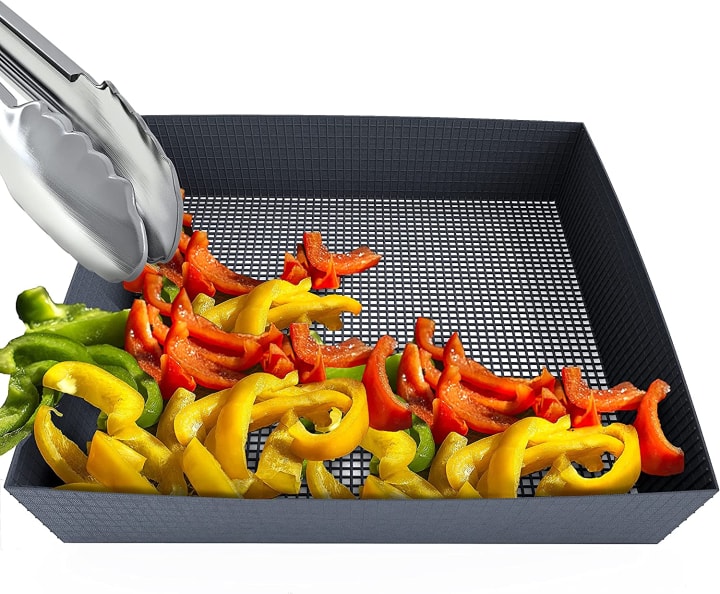
Grill Accessories: New grilling technologies have also led to the development of innovative accessories. These include grill mats for cooking delicate foods, grill baskets for vegetables or small items, rotisserie attachments for even cooking, and grilling planks for imparting smoky flavors to fish or other delicate ingredients.
When using new grilling technologies, it's important to familiarize yourself with the specific features and instructions provided by the manufacturer. Follow proper safety guidelines and maintenance recommendations to ensure the longevity and performance of your grill.
Experiment with different techniques, recipes, and flavors to make the most of these advancements in grilling technology. Whether you're using a smart grill, pellet grill, infrared grill, or other innovative tools, enjoy the enhanced control, convenience, and flavors they offer during your grilling adventures.
https://amzn.to/3qoodpE
Boilling using new technology
While boiling is a traditional cooking technique that doesn't involve as many technological advancements as grilling, there are some innovations that can enhance the boiling process. Here are a few examples of how new technologies can improve boiling:
Induction Cooktops: Induction cooktops use electromagnetic fields to heat the cooking vessel directly, offering faster and more precise heat control compared to traditional gas or electric stoves. They can bring water to a boil much quicker and allow for instant temperature adjustments, which can be helpful for boiling large quantities of water or when precise temperature control is required.
Electric Kettles: Electric kettles have become increasingly popular for boiling water quickly and efficiently. These kettles typically have built-in heating elements, automatic shut-off features, and temperature control options. Some advanced models even allow you to set specific temperatures for different types of beverages or cooking needs.
Digital Thermometers: Digital thermometers equipped with immersion probes can be used to monitor the temperature of the boiling liquid. This can be helpful when precise temperature control is necessary, such as in candy-making or cooking delicate ingredients that require specific temperature ranges.
Sous Vide Circulators: While sous vide cooking is primarily associated with low-temperature precision cooking, sous vide immersion circulators can also be used to precisely heat water for boiling or maintaining a constant temperature. These devices can ensure that the water stays at the desired boiling point and prevent overheating.
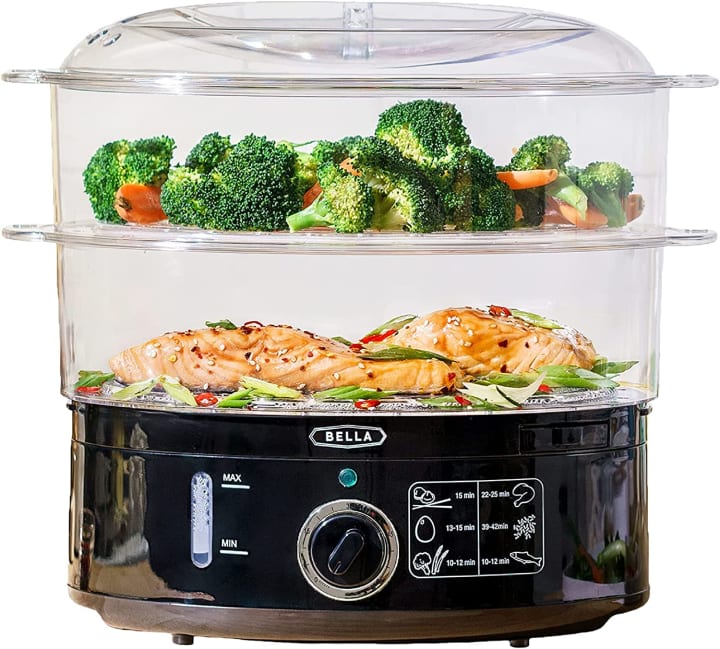
Electric Pressure Cookers: Electric pressure cookers combine the functions of pressure cooking, steaming, and boiling in a single device. They use advanced technology to increase the boiling point of water, allowing for faster cooking times. Electric pressure cookers also offer safety features and programmable settings for various cooking needs.
Water Boiling Systems: Advanced water boiling systems, often used in commercial kitchens, are designed to quickly heat water to boiling temperatures and maintain it at a constant level. These systems can be beneficial in high-volume settings, such as restaurants or catering operations, where large quantities of boiling water are required.
While these technologies can improve the boiling process, it's important to remember basic safety precautions when working with hot liquids. Always follow the manufacturer's instructions for safe use and maintenance of the equipment.
Whether you're using traditional boiling methods or incorporating new technologies, boiling is a versatile and fundamental cooking technique that is widely used in the kitchen. It's ideal for cooking pasta, blanching vegetables, preparing stocks, and many other culinary applications.
https://amzn.to/3oRUyEL
About the Creator
Keep reading
More stories from Dhanushka Ranasinghe and writers in Education and other communities.
Dad
Father's Day is a celebration observed in many countries around the world to honor fathers and father figures. It is typically celebrated on the third Sunday of June each year. Father's Day is a time to appreciate and express gratitude to fathers, stepfathers, grandfathers, and other paternal figures who have played a significant role in our lives.
By Dhanushka Ranasinghe3 years ago in Education
How Poor Healthcare Program Planning Affects Revenue and ROI
Effective program planning is essential for financial stability and long-term success in healthcare organizations. When planning is comprehensive, data-driven, and aligned with organizational goals, it supports efficient service delivery, strong patient outcomes, and healthy financial performance. However, when planning is weak or fragmented, the consequences extend far beyond operational inefficiencies. Poor healthcare program planning directly affects revenue generation, resource utilization, and return on investment, ultimately weakening the organization’s ability to grow and compete. Understanding how these financial impacts occur is crucial for leaders seeking to build programs that deliver measurable value.
By Evyatar Nitzany2 days ago in Education
Canadian Work Permit 2026: Check If You Qualify to Work in Canada
Canada continues to be one of the top destinations for foreign workers, offering competitive salaries, a strong economy, and an excellent quality of life. With new immigration adjustments expected in 2026, understanding Canada’s work permit system has become more important than ever.
By Ayesha Lasharia day ago in Education
Off the Book
It ended like every other stupid idea. Badly, and alone. I’m researching digital confession ethics, he said. A tech ethicist. He gestured at floating data I couldn’t see then pulled out a physical notebook. Actual paper, fountain pen. He held it up like he was showing me scripture.
By Nicky Frankly6 days ago in Fiction




Comments
There are no comments for this story
Be the first to respond and start the conversation.