
Trump's New "Gold Card" Proposal A Path to Wealthy Immigration
President Trump unveiled

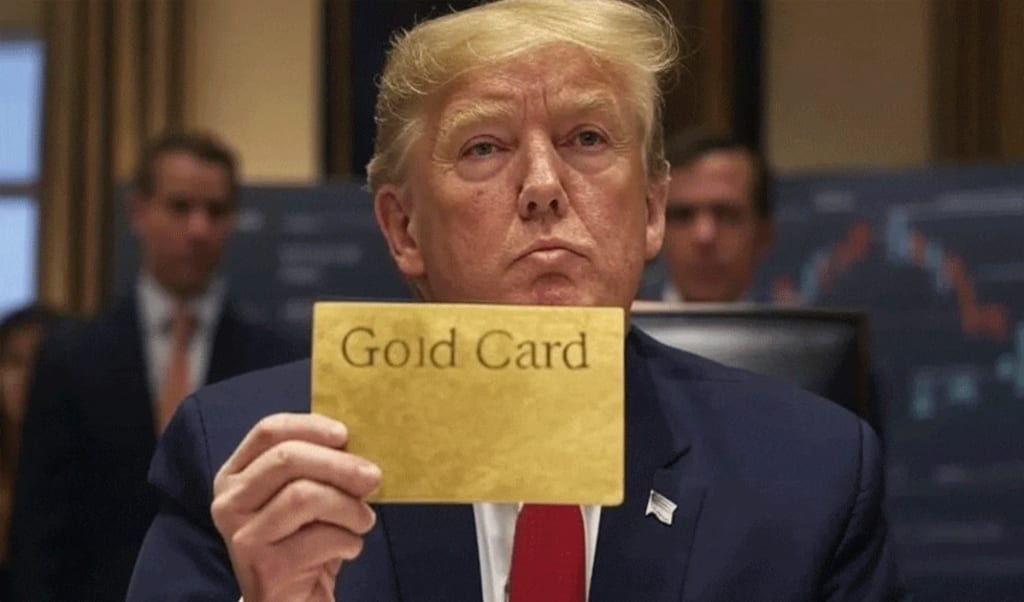
Recently, President Trump unveiled an ambitious new plan aimed at attracting wealthy foreigners to the United States through a proposal he calls the "Gold Card." This initiative, which will require a hefty investment of $5 million, is designed to provide a fast track to citizenship for those who can afford it. Let's dive into the details, implications, and potential impact of this groundbreaking proposal.
The Gold Card Explained
The Gold Card is being positioned as an upgrade from the traditional green card system. According to Trump, "You have a green card. This is a gold card." The idea is to bring in individuals who are not only wealthy but also successful, with the expectation that they will contribute significantly to the U.S. economy by investing, creating jobs, and paying taxes.
Trump emphasized that this initiative will not only enrich the nation but also provide a pathway to citizenship for the wealthy. "They’ll be wealthy and they’ll be successful, and they’ll be spending a lot of money and paying a lot of taxes," he stated. The proposal is expected to be rolled out in a matter of weeks.
Requirements and Vetting Process
When asked about the specific requirements for obtaining the Gold Card, Trump and his administration clarified that applicants must undergo a rigorous vetting process. The program will replace the existing EB-5 visa, which has faced criticism for being "full of nonsense, make-believe, and fraud," as described by Trump's Secretary of Commerce, Howard Lutnick.
The Gold Card will require applicants to invest $5 million in the U.S. and will prioritize those who are deemed "world-class global citizens." This means that potential applicants will be carefully screened to ensure they meet high standards before being granted the opportunity to invest and immigrate.
Economic Implications
The introduction of the Gold Card is projected to have significant economic implications for the United States. Trump posited that selling these cards could help reduce the national deficit. With a potential market of millions, the financial benefits could be substantial. For instance, if one million Gold Cards are sold, that would amount to $5 trillion in investments.
Moreover, the program is expected to attract individuals who create jobs. Companies may even be willing to pay to bring in top talent from prestigious educational institutions across the globe. This could include graduates from renowned schools like Harvard and Stanford, who might otherwise face uncertainty in securing employment in the U.S.
Tax Structure for Gold Card Holders
One of the more intriguing aspects of the Gold Card proposal is its tax structure. While Gold Card holders will be required to pay taxes on income generated within the United States, they will not be taxed on their income earned outside the country. This could make the Gold Card particularly attractive for wealthy individuals looking to relocate while minimizing their tax burdens.
Trump pointed out that this approach is designed to encourage job creation within the U.S. He believes that by attracting significant investors, the economic landscape will improve, leading to more job opportunities and increased tax revenues from those who do create jobs.
Concerns and Criticisms
While the Gold Card proposal has garnered excitement from some quarters, it also raises several concerns. Critics argue that it could exacerbate inequality in the immigration system. By allowing only the wealthy to access a fast track to citizenship, the program risks sidelining skilled workers and those from lower-income backgrounds who have been waiting in lengthy immigration backlogs.
For instance, many skilled professionals from countries like India face decades-long waits for green cards. The Gold Card initiative could further complicate their situation, creating a pay-to-play dynamic in the immigration system that many find troubling.
Ajay Bhutoria, a Democrat and immigration reform advocate, expressed strong opposition to the program, stating, "The idea that you can buy your way into a green card and citizenship for $5 million, while millions of skilled workers... languish in a backlog that stretches over 50 years for some, especially from countries like India, is a slap in the face." He emphasized the need for a fair and equitable immigration system that prioritizes talent and contribution rather than wealth.
International Comparisons
Interestingly, many other countries have similar programs aimed at attracting wealthy immigrants. For instance, countries like Canada and Australia have established investor visas that allow individuals to gain residency through significant financial contributions. These programs often earmark funds for economic development initiatives, which could further enhance their appeal.
The Gold Card proposal, while unique in its approach, reflects a broader trend in global immigration policy where wealth can facilitate access to citizenship. However, the effectiveness and fairness of such policies remain hotly debated.
Conclusion: A Bold Move or a Risky Gamble?
As the Gold Card initiative prepares to launch, it is clear that it represents a bold move by the Trump administration to reshape immigration policy in favor of wealthy individuals. While the potential economic benefits are significant, the implications for equity and fairness in the immigration system are complex and warrant careful consideration.
Ultimately, the success of this program will depend on its implementation and the broader economic context in which it operates. Will it truly attract the high-level talent and investment that Trump envisions, or will it simply deepen existing divides within the immigration system? Only time will tell, but the Gold Card proposal is certainly poised to make waves in the ongoing conversation about immigration and economic policy in the United States.
About the Creator
Ellen Sammy
Writer and Blogger
Keep reading
More stories from Ellen Sammy and writers in Education and other communities.
Can You See a Virtual Dietitian Covered by Insurance?
Picture this: You’re curled up on your couch in pajamas, sipping tea, while a nutrition expert helps you build a meal plan tailored to your life. No commute, no clinic waiting rooms—just a video chat and actionable advice to boost your health. Thanks to telehealth, virtual dietitians are making it easier than ever to get personalized nutrition support. But let’s tackle the big question: Does insurance pay for it?
By Ellen Sammy10 months ago in Education
Exploring FSC 5999: Miscellaneous Electrical and Electronic Components in Aerospace and Avionics
When I first started studying aircraft systems, I realized that aviation engineering is as much about the parts you don’t see as the ones you do. Beyond major systems like engines and flight controls, there exists a broad yet vital collection of miscellaneous electrical and electronic components — categorized under FSC 5999 — that quietly support mission-critical functions throughout an aircraft.
By Beckett Dowhan3 days ago in Education




Comments
There are no comments for this story
Be the first to respond and start the conversation.