
Trump freezes $2bn in Harvard funding after university rejects demands
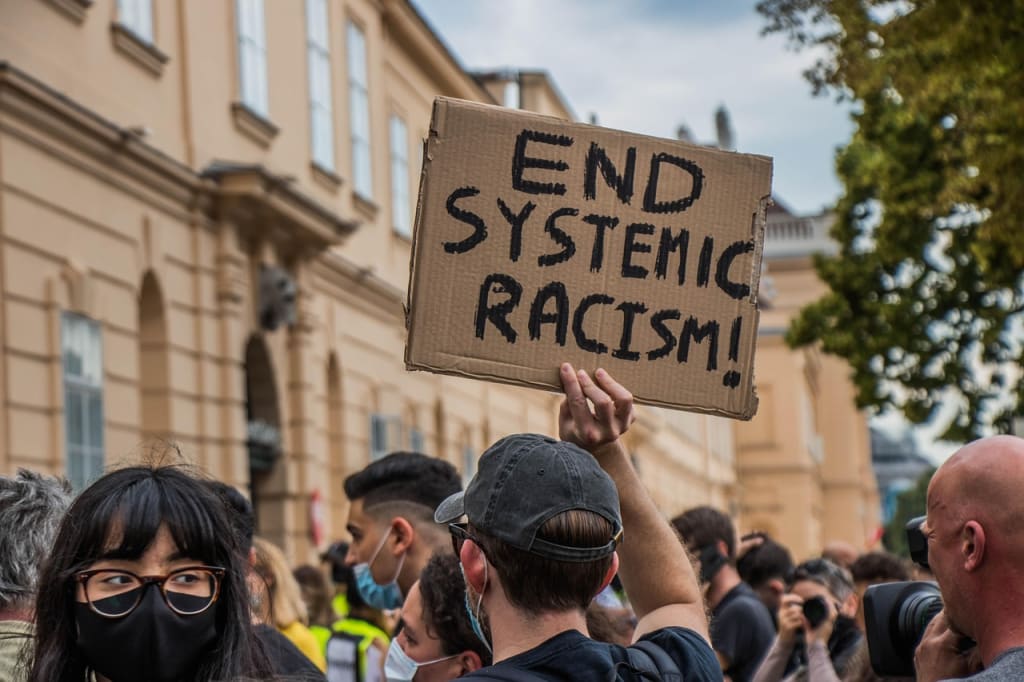
Protesters had called for the university to reject demands from the White House
On April 14, 2025, the Trump administration froze approximately $2.3 billion in federal funding to Harvard University after the institution refused to comply with directives aimed at reshaping its campus policies. This unprecedented move includes $2.2 billion in grants and $60 million in contracts, marking a significant escalation in tensions between the federal government and higher education institutions over issues of academic freedom and civil rights enforcement.
Federal Demands and Harvard's Rejection
The demands made by the administration included a wide range of policy modifications. These included dismantling diversity, equity, and inclusion (DEI) initiatives, overhauling student discipline policies, revising admissions to be merit-only, increasing scrutiny of international applicants, banning pro-Palestinian student groups, and prohibiting masks on campus. The administration argued that these measures were necessary to address what it perceived as insufficient efforts by Harvard to combat antisemitism on campus.
Harvard President Alan M. While emphasizing the university's commitment to academic freedom and institutional autonomy, Garber vehemently rejected these demands. Garber made the claim in a statement that the conditions imposed by the federal government violated the university's rights and values and that only Harvard's community has the authority to set its policies and procedures. He further highlighted that while Harvard is committed to combating antisemitism, the imposed conditions were an overreach into academic freedom.
Broader Context and Reactions
This funding freeze is part of a broader investigation into $9 billion in federal funds granted to Harvard. Unlike Columbia University, which complied with similar demands to retain approximately $400 million in federal funding, Harvard is the first university to openly reject such federal stipulations. Columbia's compliance included bans on face coverings during protests, stricter law enforcement, and changes in academic leadership, though internal dissent led to the ousting of its interim president.
The Trump administration defended the funding freeze, asserting that continued federal support requires adherence to civil rights laws and meaningful action against antisemitism. The Education Department's task force on combating antisemitism criticized Harvard's stance, suggesting it reflects a problematic "entitlement mindset" prevalent in elite educational institutions that receive federal funds while allegedly failing to meet civil rights obligations.
Implications for Harvard and Higher Education
The repercussions for Harvard's finances are significant. The university received $686 million from federal agencies in fiscal year 2024, which represented two-thirds of its total expenditures for sponsored research and 11% of its operating revenue. The funding freeze threatens to disrupt thousands of research jobs and halt numerous federally funded research projects. Harvard President Garber warned that the freeze could force some researchers to stop their work, emphasizing that the university's mission relies heavily on substantial federal research support.
The situation has sparked a broader debate about the role of federal oversight in higher education. Advocacy groups and academic leaders have expressed concern that the administration's actions could set a precedent for federal interference in university governance. The National Association of College and University Business Officers warned that the funding freeze could cause "unnecessary disruption to the lives of tens of thousands of students and families at colleges and universities across the country."
Inside Higher Ed
Legal and Political Challenges
Legal challenges to the funding freeze are already underway. A group of 22 state attorneys general, including Massachusetts Attorney General Andrea J. Campbell, announced plans to sue the White House over the proposal, calling it an unconstitutional abuse of power. The actions of the administration were criticized by Senator Chuck Schumer (D-N.Y.), who stated that "one man does not decide how taxpayers' money is spent." The controversy also highlights the political divide over issues of academic freedom and civil rights enforcement. While some Republican lawmakers support the administration's actions, viewing them as necessary to ensure compliance with civil rights laws, Democratic lawmakers and academic leaders argue that the measures infringe upon institutional autonomy and threaten the core values of higher education.
Conclusion
The Trump administration's decision to freeze $2.3 billion in federal funding to Harvard University marks a significant moment in the ongoing debate over the balance between federal oversight and academic freedom. As legal challenges unfold and the higher education community grapples with the implications, the outcome of this confrontation may have lasting effects on the relationship between universities and the federal government.

About the Creator
Keep reading
More stories from writers in Education and other communities.
TUS NUA - ch 49
TUS NUA – ch 49 New Beginnings – Mia and Midnight (*)(*)(*) As Mia spoke on the phone to Ali’s sister, Ellen, Finola slipped quietly away and walked to the stream behind Tus Nua. Carefully, she put a block on her family so no one could know what she was about to do.
By Margaret Brennan5 days ago in Fiction




Comments
There are no comments for this story
Be the first to respond and start the conversation.