
Transforming New York's Skyline: The Impact of Point Cloud Modeling on Skyscraper Construction
Point Cloud Modeling Impact on Skyscraper Construction


The construction industry in New York City is known for being innovative. It is always looking for ways to build taller, faster, and better. Point cloud modeling has become an important tool. It gives a clear and detailed way to construct skyscrapers. By creating very accurate digital models of buildings and their surroundings, point cloud technology helps improve project management. This includes the steps from design and planning to construction and maintenance.
The Evolution of Skyscraper Construction in New York
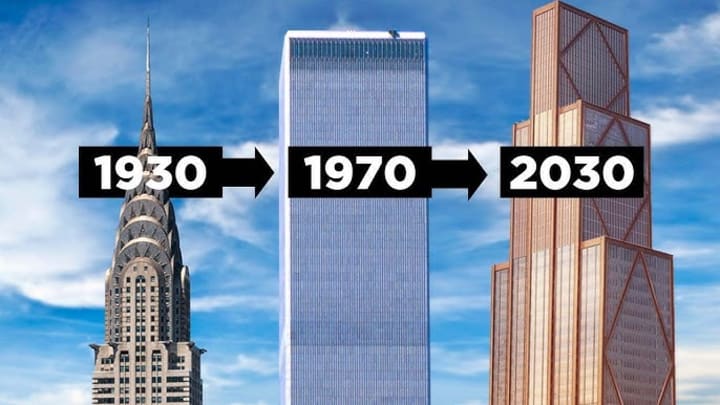
New York City's skyline shows how skyscraper building has changed over time. It started with the first steel-framed buildings in the late 1800s. Now, we see sleek, modern towers. Each period has introduced new technologies and ideas.
Building taller and more complicated structures in a busy city has pushed for improvements in how we construct buildings. Point cloud modeling is the latest breakthrough. It provides a level of accuracy and efficiency that was not possible before.
From Steel Frames to Cloud Points
The rise of steel frames in the late 1800s changed skyscraper building forever. It helped buildings reach new heights. Along with the invention of the elevator, this led to the famous skyline of New York.
As buildings became taller and more complex, keeping the structure safe was very important. Old ways of surveying were helpful but not very accurate or quick.
Laser scanning technology came along as a fix. It can capture millions of precise data points to create detailed 3D models. This technology, called point cloud modeling, has changed how people design, build, and maintain skyscrapers.
Also Read: Challenges in Point Cloud Data Management
Major Milestones in High-Rise Architecture
- High-rise buildings have gone through important changes over time. Each change has pushed how we think about engineering and design. Key updates like reinforced concrete, curtain walls, and computer-aided design (CAD) have helped shape modern skyscrapers.
- These advances have improved the construction process. They offer greater accuracy, faster project completion, and better safety measures. Each major step in high-rise design has brought us closer to the impressive structures that fill our city skylines today.
- Another big step is the use of point cloud modeling. This technology helps us accurately capture what already exists. It also makes it easier to renovate buildings and supports the creation of new, innovative, and sustainable high-rises.
Fundamentals of Point Cloud Modeling
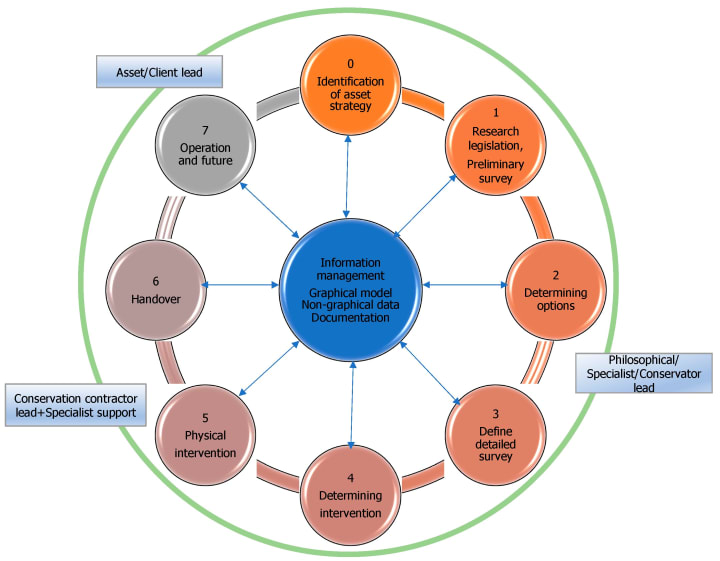
Point cloud modeling is making accurate digital copies of real-life buildings or structures with laser scanning technology. Laser scanners send out beams of light that hit surfaces and measure how long it takes for the light to come back.
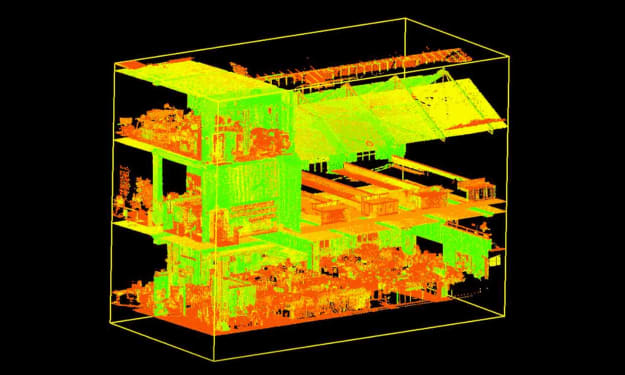
The information collected creates a "point cloud." This cloud has millions or even billions of points, each with its own 3D location. The point cloud is used to make very detailed and precise 3D models.
What is Point Cloud Modeling?
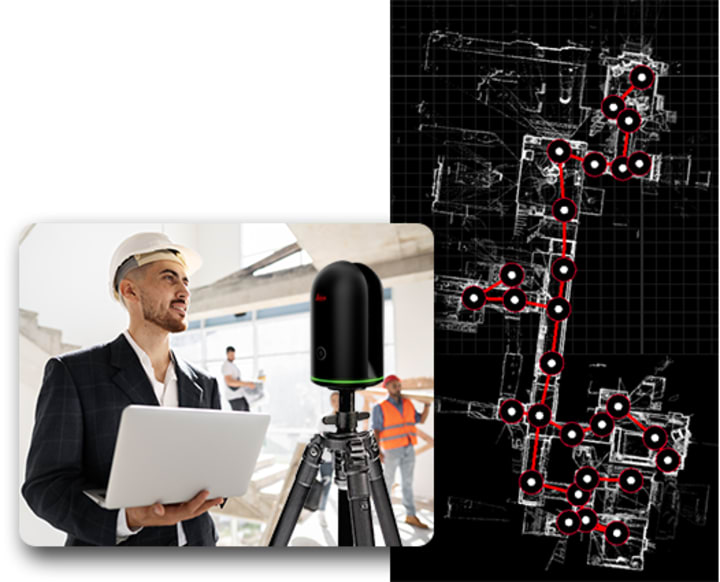
Point cloud modeling is about making a digital version of a real space or object using data points. These points come from laser scanning. They have exact 3D coordinates, showing the shape, size, and place of the scanned area. This technology is very important in construction, where having accurate building records is necessary.
When point cloud data is turned into a BIM model, architects and engineers can use this detailed information. They create a digital twin of the building. This digital twin acts as a shared tool for design, analysis, and planning in construction.
Point cloud modeling can show complex shapes and real conditions well. This makes it a key tool for renovations, upgrades, and new construction projects. It gives a lot of detail, helping people make better choices and reduce mistakes.
How Point Cloud Data is Captured and Processed
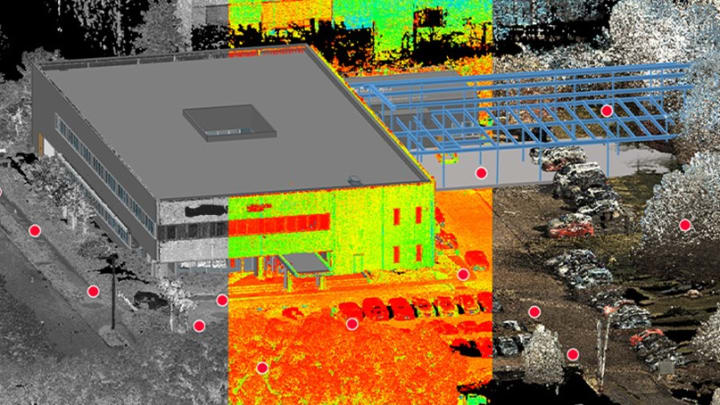
Point cloud data capture starts by using laser scanners or photogrammetry techniques. Laser scanners send out light pulses that hit surfaces and bounce back to the scanner. This process measures distances and creates a dense point cloud. Photogrammetry works a bit differently. It uses overlapping photos taken from different angles to form 3D models.
After capturing the data, it needs to be processed. This means removing noise, getting rid of extra points, and putting different scans together to make a clear model. The clean point cloud data is then used to create accurate 3D models of buildings, infrastructure, or landscapes.
Tools like Autodesk ReCap, Bentley ContextCapture, and CloudCompare help with processing and managing point cloud data. They make it easier to visualize, analyze, and connect with BIM platforms. This processed data is very helpful for many uses, including building design, construction planning, and facility management.
The Role of Point Cloud Modeling in Modern Skyscraper Construction
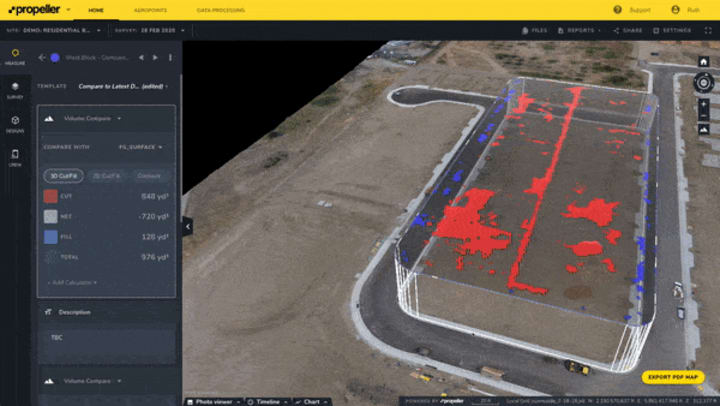
Point cloud modeling is now essential in building modern skyscrapers. It allows architects and engineers to "step inside" their designs before construction starts. They can find any potential issues and make sure everything is accurate, which was not possible in the past.
This technology also makes communication easier among all teams in a project, including architects, engineers, contractors, and sub-contractors. Everyone can access the same exact information. This reduces mistakes and helps them work together better.
Enhancing Design Accuracy and Efficiency
Point cloud modeling makes the design process more accurate and efficient. It gives clear images of existing structures. Because of this, architects and engineers can create designs that fit well with what is already there. The accuracy of point cloud data takes away guesswork and helps avoid expensive rework later.
Point cloud data also helps find clash detection during the design phase. By putting different building systems like HVAC, electrical, and plumbing on the structural model, we can spot potential conflicts. This lets us fix problems before they happen on-site, saving money.
In addition, point cloud modeling speeds up the design iteration process. Architects and engineers can test many design options quickly. They can also see how changes will look in a virtual environment. This way of working encourages innovation and leads to better solutions without needing physical mockups or long revisions.
Risk Mitigation in Construction Projects
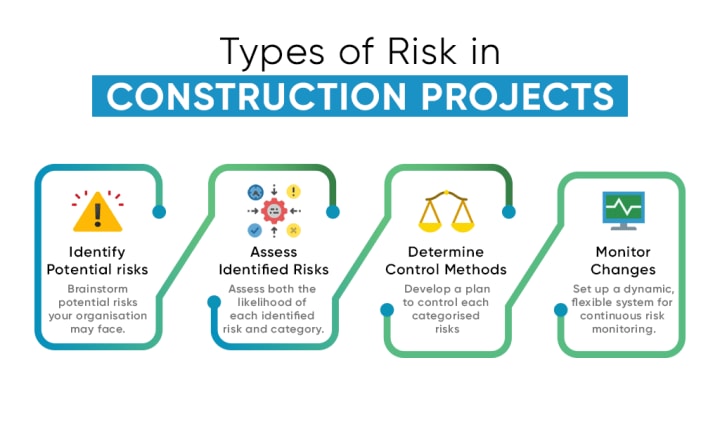
Construction projects, especially big ones like skyscrapers, carry many risks. Point cloud modeling helps reduce these risks by giving accurate data for better decision-making. With clear information about the site and other buildings, project teams can spot dangers, plan better, and use good safety measures.
Point cloud data helps find problems early. This cuts down on expensive rework and delays in construction. Teams can check the construction's progress against the BIM model. This way, they can see and fix any issues before they grow bigger, which keeps the project going smoothly and within budget.
Also, the detailed records from point cloud modeling are very useful for checking risks, making insurance claims, and handling legal matters. This complete documentation of the construction process protects everyone involved. It helps create more transparency and accountability for the project.
Case Studies: Iconic Skyscrapers Shaped by Point Cloud Modeling
Point cloud modeling has been very important in creating New York's famous skyline. It has helped finish some of the city's biggest projects.
This technology has been vital in rebuilding the World Trade Center complex. It also played a key role in the large Hudson Yards redevelopment. Point cloud technology has shown how useful it can be in dealing with the tough challenges of building skyscrapers in an area that is so crowded.
Leveraging Technology for the One World Trade Center
The construction of One World Trade Center, rising from the ashes of 9/11, presented unprecedented challenges. The project demanded meticulous planning, coordination, and execution, with an unyielding focus on safety and precision. Project managers turned to advance technologies, including point cloud modeling, to meet these demands.
Laser scanners were used extensively to capture the complex geometry of the site and surrounding infrastructure. This point cloud data was then used to create a highly detailed and accurate BIM model, which served as the digital backbone for the entire project.
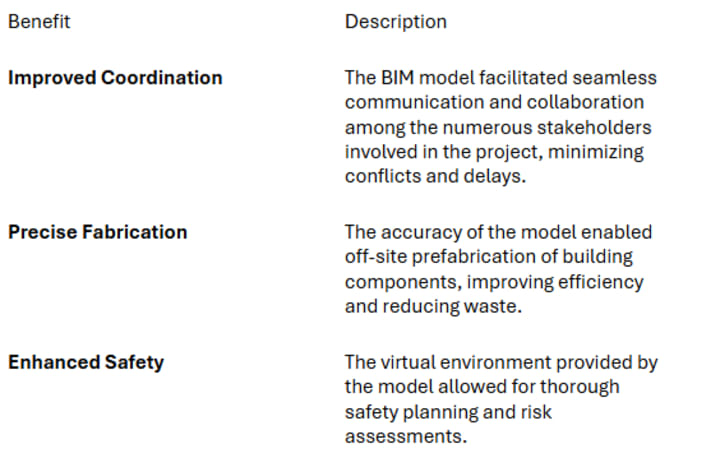
The Hudson Yards Redevelopment Project
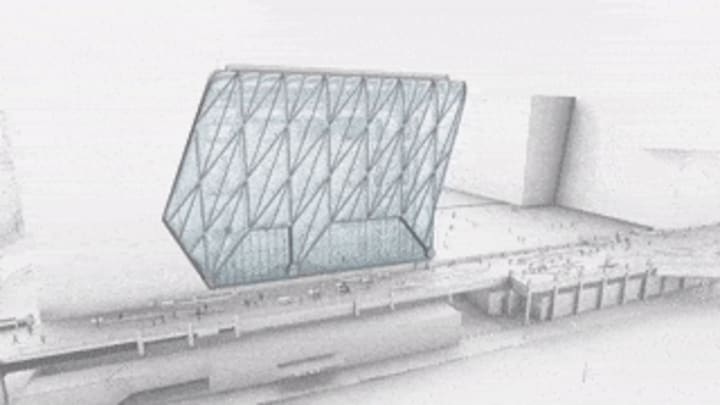
The Hudson Yards redevelopment project is one of the biggest city renewal efforts in recent years. It changed an old industrial area into a lively neighborhood. But building on such a large scale over active rail lines was tough. It was important to reduce disruptions to the city, which created big logistical problems and could lead to costly project delays.
Point cloud modeling helped tackle these challenges. By making a detailed digital twin of the whole project area, including current infrastructure and nearby buildings, the project team could plan and carry out the construction process with great accuracy and efficiency.
This digital twin allowed for checking the progress in real time. It helped to spot any possible problems or changes from the plan early. Being able to lower risks and make smart decisions ahead of time was key in keeping this complicated project on track and within budget.
Conclusion
Point cloud modeling has changed how skyscrapers are built in New York. It has improved design accuracy and made the process more efficient while reducing risks. This technology has influenced famous buildings like One World Trade Center and the Hudson Yards redevelopment project. By using precise data, architects and engineers can create amazing structures with great accuracy. Moving from steel frames to point clouds shows a new age of creative high-rise design. By using point cloud modeling, we can make sure future skyscraper plans are not only imagined, but also built accurately, helping to shape the city for many years to come.
Further Reading
- https://shopping-feedback.today/education/enhance-virginia-projects-with-3-d-laser-scanning-solutions%3C/li%3E%3Cli class="css-2hn7oe-Li e12bsgp32">https://shopping-feedback.today/journal/how-does-3-d-scanning-improve-efficiency-in-construction-projects%3C/li%3E%3C/ul%3E%3Cstyle data-emotion-css="14azzlx-P">.css-14azzlx-P{font-family:Droid Serif,Georgia,Times New Roman,Times,serif;font-size:1.1875rem;-webkit-letter-spacing:0.01em;-moz-letter-spacing:0.01em;-ms-letter-spacing:0.01em;letter-spacing:0.01em;line-height:1.6;color:#1A1A1A;margin-top:32px;}
About the Creator
Alishna Brown
I am a renowned author, speaker and educator on BIM technology in the Architecture, Engineering, and Construction (AEC) industry. With over a decade of experience in the field, I have become a thought leader and consultant.
Keep reading
More stories from Alishna Brown and writers in Education and other communities.
How Top-Ranked Teams Build a Culture of Excellence and Consistent High Performance
In today’s competitive business environment, success is rarely the result of individual talent alone. Strong, aligned, and resilient teams power organizations that consistently lead their industries. Lists highlighting outstanding teams, such as those curated by Forbes, have drawn attention to a critical truth: exceptional performance is built intentionally. These teams succeed because of how they collaborate, lead, and adapt over time. Understanding what sets these high-performing teams apart provides a roadmap for organizations seeking sustainable excellence.
By Daniel Ladnera day ago in Education
Is Pharmacy Tech a Good Career Choice for 2026?
Given the recent shifts in the market and AI automation, people are now well aware that economic shakeups can drastically hinder their income sources. This is causing a lot of people to switch careers, and a majority of people are targeting healthcare roles. However, not all allied healthcare roles are created equal. Also, you can aim to become a medical assistant, but if you do not want to deal with patients, the ideal role for you is that of a Pharmacy Technician.
By Meaghan Howe5 days ago in Education



Comments
There are no comments for this story
Be the first to respond and start the conversation.